REVIEW · NATIONAL MUSEUM OF CINEMA
Turin: National Museum of Cinema Entry Ticket & Audio Guide
Book on GetYourGuide →Operated by NEEDITALY · Bookable on GetYourGuide
Cinema in one of Turin’s most famous buildings is a smart combo. You get direct entry into the National Museum of Cinema inside the Mole Antonelliana and a multilingual audio guide (with QR codes to help you move through the rooms). I like that you can shape your pace instead of following a fixed tour script.
Two things really work for me here: the museum’s spiral layout, which makes it easy to keep moving upward through scenes and display levels, and the fact that the audio guide is built to cover the Cinema Museum content specifically (not just random city facts). One possible drawback: based on the on-site audio experience people describe, the audio can feel a bit light, so you’ll want patience and a clear plan for how you’ll use it.
In This Review
- Key points to know before you go
- Why Mole Antonelliana makes the museum feel worth the ticket
- The spiral route: how the layout changes your pace and comfort
- QR codes and the multilingual audio guide: best way to use it
- What you’ll actually see: cinema origins to today’s effects
- The Mole Antonelliana experience: museum inside an icon
- Price and value: is $45 a good deal for a self-guided cinema day?
- Practical stuff that affects your arrival (and saves time)
- Who this experience fits best (and who might prefer something else)
- Should you book the National Museum of Cinema in Turin?
- FAQ
- How do I access the museum ticket and audio guide?
- Is there a meeting point with staff on site?
- Do I need headphones?
- Is the audio guide available in multiple languages?
- What is included in the price?
- Are food and drinks allowed inside the museum?
- Is the panoramic lift included?
Key points to know before you go
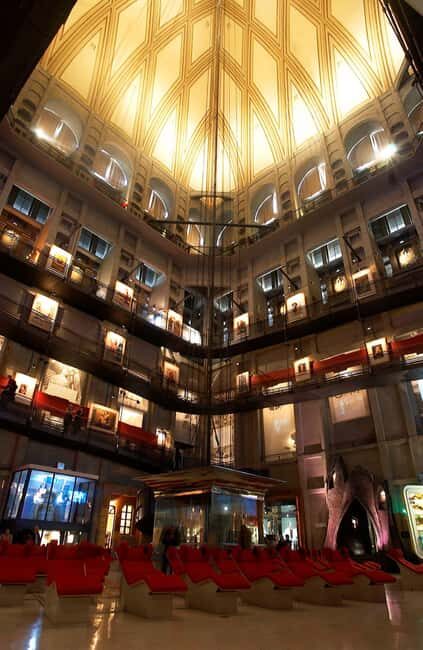
- Mole Antonelliana interior is part of the show, not just a place to enter.
- QR codes help you self-guide, without needing a physical tour guide.
- An upward spiral layout keeps your route flowing across levels.
- Audio guide languages are wide, covering Italian, English, French, German, Spanish, Chinese, Russian.
- Bring headphones—they aren’t included, and they matter for enjoying the guide.
- Audio depth is mixed, so set expectations for a lighter commentary style.
Why Mole Antonelliana makes the museum feel worth the ticket
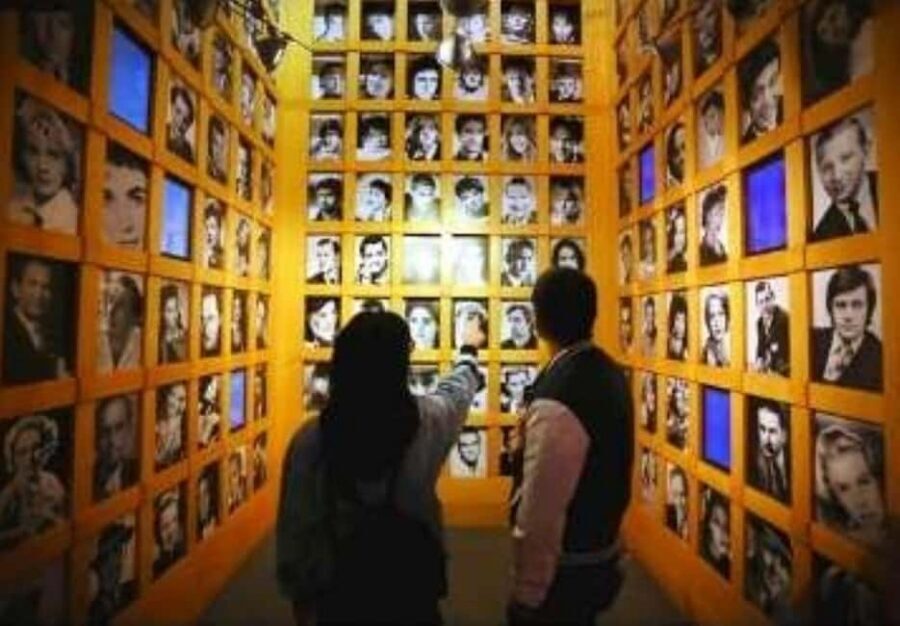
Turin does a great job of giving you a “two-for-one” vibe: the National Museum of Cinema isn’t housed in a generic building. It’s inside the Mole Antonelliana, Turin’s architectural icon, so even your arrival and first rooms feel like part of the experience.
What I like about that is simple: you don’t need to treat the cinema museum as a separate, detached activity. You’re sightseeing and learning about film at the same time. You’re also visiting a place that looks memorable from the outside and feels just as purposeful on the inside.
The museum itself is set up as a journey. You’re not just looking at posters behind glass—you’re moving through exhibition levels with scenographies, projections, light games, and a mix of photos and vintage objects that relate to real film history.
Possible catch: the museum experience here is strongly self-directed. There’s no meeting point and no staff guide waiting at the entrance to shepherd you along, so if you want a lot of live explanation, you may need to rely more on the signage and audio.
The spiral route: how the layout changes your pace and comfort
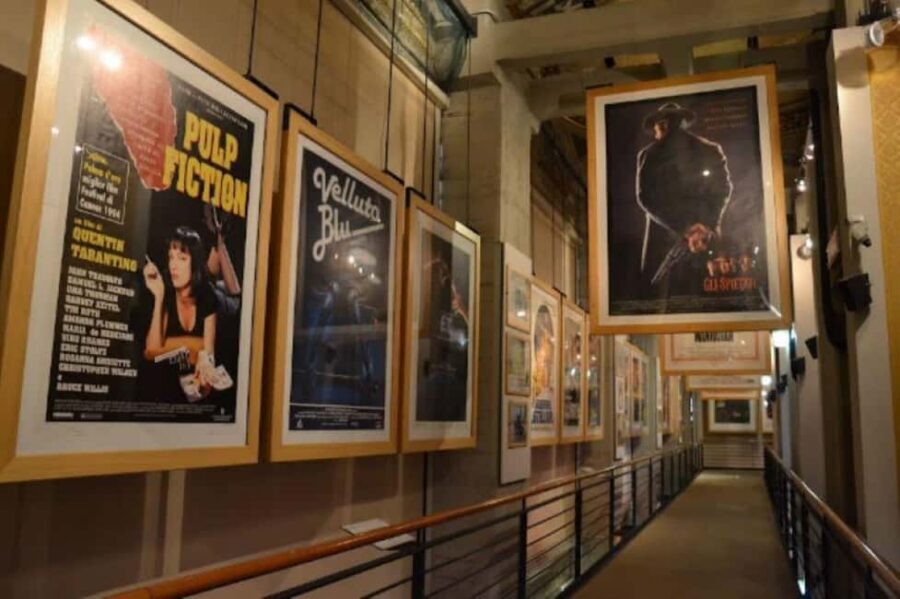
This museum is built in a spiral upward plan across multiple exhibition levels. Practically, that means you can treat your visit like a steady climb. Once you start, it’s hard to get “lost” in the classic sense, because the route naturally encourages you to keep moving and follow the levels.
It also shapes your attention. In a spiral setup, you’ll likely spend a little less time backtracking and a little more time noticing transitions—how one theme moves into the next, and how the museum uses lighting and projection to shift mood as you go higher.
It’s a good match if you like to pause, then continue. And it helps if you’re visiting without a guide, because you don’t need to solve the route puzzle in your head.
If you’re sensitive to crowds, keep in mind you’ll be sharing circulation spaces with other visitors moving up and down the spiral levels. The good news is that the design is meant for flow, and the audio guide can keep you oriented even when you want to stop for a display.
QR codes and the multilingual audio guide: best way to use it

You’ll download the audio guide to your smartphone and then choose the content connected to the Cinema Museum. The museum also uses QR codes at the start, which people describe as extremely useful for a self-guided visit that does not require a physical guide.
This is where you’ll get the most value from your ticket. Use the audio guide like a tool, not like a background soundtrack. When you reach the first displays, select the Cinema Museum segments and follow along. If you find a room you’re not sure how to interpret, the audio should help you connect what you’re seeing to film history and the museum’s themes.
Languages available are broad: Italian, English, French, German, Spanish, Chinese, and Russian. That matters because some film-museum audio tracks can get thin if your language is limited. Here, you have more chances of finding clear commentary in the language you’re comfortable with.
Now, here’s the realistic part. Some people felt the audio guide was light and not very explicit, and a few said it was difficult to feel your way around inside the museum using audio alone. My suggestion: if you care a lot about storytelling detail, plan to rely on the display panels too, not only the audio.
And yes—bring headphones. Headphones aren’t included, and that’s a big “quality of experience” factor. Without them, the audio guide becomes harder to use responsibly in a shared interior space.
What you’ll actually see: cinema origins to today’s effects
The museum’s exhibition route is designed to trace cinema history from its origins to the present day. Expect a mix of interactive-style storytelling elements—scenographies, projections, light effects—and lots of photos and vintage objects tied to film sets and behind-the-scenes creativity.
A standout theme is how the museum connects early storytelling formats to modern production magic. The route is described as interactive and it moves through chapters like shadow theatre and then toward the special effects used today. That structure is a practical way to understand cinema: you’re not memorizing dates; you’re following techniques and changing visual styles.
You should also look out for original objects connected to film sets. Even if you’re not a hardcore film scholar, that’s the kind of detail that makes museums feel real. Seeing physical items associated with production helps you stop thinking about movies as purely fictional entertainment and start thinking about them as crafted technology.
A useful mindset: treat each level as a mini “film literacy” lesson. One part helps you understand how early shows captured attention. Another part explains how modern effects create illusion. The museum’s lighting and projection design is there to reinforce that idea—so don’t just glance at displays. Give yourself a few minutes to watch what’s projected and how the room’s light changes the mood.
The Mole Antonelliana experience: museum inside an icon
Because the museum is located in the Mole Antonelliana, you get a sense of scale and purpose that’s hard to recreate in a standard museum building. You’re in a landmark structure, and the interior framing supports the idea that cinema is “big”—big ideas, big screens, big illusions.
This matters for visitors who struggle with museum fatigue. If you’ve ever found yourself tired after 30 minutes of reading labels, a more dramatic setting can keep you engaged. Here, the building helps the museum feel like an event instead of a checklist.
Also, the highlight list specifically calls out admiring the interior of the architectural symbol of Turin. That’s not small talk. It’s part of the value proposition: the building is part of the storytelling atmosphere, and the museum presentation uses that space.
Note: the panoramic lift ticket isn’t included. So if you’re hoping to add views from higher levels, you’ll need to check what’s available separately. The museum itself still gives you plenty to do in terms of exhibits and the spiral route.
Price and value: is $45 a good deal for a self-guided cinema day?
At about $45 per person for entry plus the audio guide, the value depends on how you like to learn.
If you enjoy self-guided sightseeing, this pricing can feel fair. You get:
- entry into a major museum attraction
- a multilingual audio guide (with smartphone download)
- a route that can fill a full day at an unhurried pace across multiple levels
If you want a heavy, explanatory narrative like you’d get from a strong in-person guide, you might feel the audio guide doesn’t carry enough depth. Some people said the audio felt light and the information didn’t match the price.
So here’s how I’d decide:
- Choose it if you’re comfortable reading museum panels and using audio as a supportive layer.
- Pass or supplement your plan if you’re the type who wants every room explained in detail.
A practical way to maximize value: go with a simple “question mindset.” For example, think: How did cinema begin, and what tricks changed first? Then let each room answer part of that question—through audio, panels, objects, and projections.
Practical stuff that affects your arrival (and saves time)
There’s no meeting point and no staff waiting at a desk. The entrance to the National Museum of Cinema (inside the Mole Antonelliana) is direct, so you should head straight to the museum entrance rather than searching for a group.
Ticketing is done by email. You’ll receive entry tickets and codes for the audio guide the day before your visit. Two important notes from the experience setup:
- the GetYourGuide booking confirmation alone does not allow entry
- if you don’t find the tickets in your email, you should call the activity provider
This is the kind of detail that can turn a museum visit stressful, so I’d treat it as a must-do: check your email the day before and save the ticket info offline as well.
Headphones are required for enjoying the audio guide, and food and drinks aren’t allowed inside. That affects timing too: plan a snack stop outside, then go in and focus on exhibits without thinking about where you can eat.
Transport isn’t included. The museum is central to Turin’s sightseeing area, but you’ll still want to arrange your own way there based on where you’re staying.
Who this experience fits best (and who might prefer something else)
This is a great fit if you:
- like self-guided museums with QR-code navigation
- want to explore the Mole Antonelliana interior without extra tour add-ons
- enjoy cinema history presented through physical objects, projections, and staged scenes
- are happy using your smartphone and headphones for a multilingual audio experience
It may be less ideal if:
- you strongly prefer deep narration from a live guide
- you dislike audio formats that feel like quick commentary rather than a full course
- you want to avoid planning on your end, because the museum experience depends on having the audio codes and selecting the correct Cinema Museum content
Should you book the National Museum of Cinema in Turin?
I think you should book if you’re going to Mole Antonelliana anyway or you want a one-day, structured-feeling museum experience that doesn’t require a live guide. The QR code-driven self-guided approach is a real advantage, and the spiral layout makes it easy to keep moving through multiple exhibition levels.
If you’re the type who gets frustrated by audio guides that feel too brief, I’d still consider it—just go in with the mindset that you’ll combine audio with display panels and let the projections and set objects do some of the storytelling work.
FAQ
How do I access the museum ticket and audio guide?
You’ll receive your entry tickets and the codes for the audio guide by email the day before your visit.
Is there a meeting point with staff on site?
No. There is no meeting point and no person waiting on site; the entrance to the museum is direct.
Do I need headphones?
Yes. Headphones are not included, and you’ll need them to use the smartphone audio guide.
Is the audio guide available in multiple languages?
Yes. The audio guide is available in Italian, English, French, German, Spanish, Chinese, and Russian.
What is included in the price?
The price includes entry to the National Museum of Cinema and a multilingual audio guide of Turin and its monuments, with Cinema Museum content included.
Are food and drinks allowed inside the museum?
No. Food and drinks are not allowed.
Is the panoramic lift included?
No. A panoramic lift ticket is not included.