REVIEW · TURIN
Turin: Exclusive Private Pasta&Tiramisu Class with a Local Mamma
Book on Viator →Operated by Cesarine: Cooking Class · Bookable on Viator
The smell of warm butter and coffee is a souvenir you can cook. This private class in Turin pairs hands-on pasta making with family-style eating, all in a local home. I especially loved learning two seasonal pasta dishes from a host who treated us like family, and then turning out tiramisu from scratch without feeling rushed. The main consideration: at $174.60 per person, it’s a premium experience, so if you’re expecting a budget activity, you may feel the price pinch—especially if language is limited and you have to rely on gestures or a translation app.
You’ll also get a real taste of Piedmont food culture, not just a checklist of recipes. Expect a welcome aperitivo, then lots of time cooking, tasting, and chatting around the table.
Because it’s private, the pace is adjustable and the attention is focused. That’s great if you want a deeper experience. If you just want to watch and snap photos, you might want to set your expectations accordingly.
In This Review
- Key highlights worth your time
- Turin at home: what this class really delivers
- The welcome aperitivo: Prosecco, nibbles, and getting oriented
- Rolling and shaping seasonal pasta in a real Turin kitchen
- What you’ll do (and why it’s useful)
- What makes this pasta lesson different
- Your tiramisù night: making it from scratch, layer by layer
- Why doing it yourself matters
- Eating together: wine, family-style table time, and keeping it memorable
- The practical value: learning to host later
- Bonus: photos and videos
- Price and logistics: is $174.60 worth it?
- Who should book this Turin pasta and tiramisù class
- My booking checklist before you go
- Should you book? My take
- FAQ
- What will I cook during the class?
- How long is the experience?
- Is the class private?
- What language is it offered in?
- Where does the class take place?
- What’s included at the start of the class?
- Do I eat what I cook?
- Can I cancel for a refund?
Key highlights worth your time
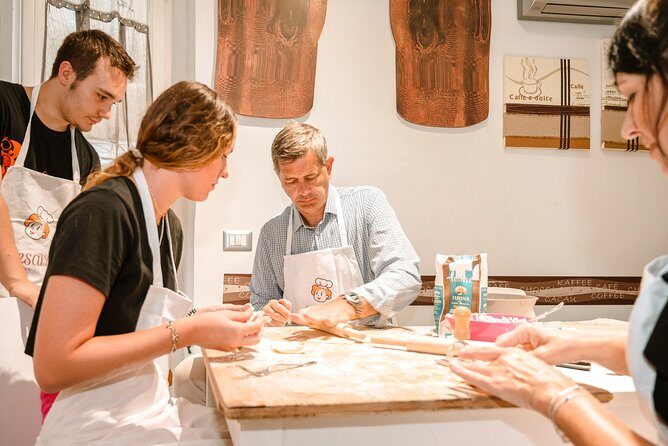
- Private, in-home class with your host’s full attention, not a crowded kitchen setup
- Piedmont-focused menu: two handmade pasta dishes plus tiramisù
- Aperitivo start with Prosecco and nibbles before you even lift a rolling pin
- Wine and family-style table time so you eat what you make, together
- Photo and video keepsakes that capture the moment (yes, the mess too)
Turin at home: what this class really delivers
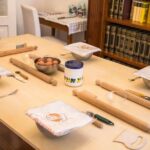
This cooking class is built around one big idea: Italian food makes more sense in a real home. You don’t just learn how to shape pasta. You learn how a family thinks about food—timing, taste, and why the simplest sauce can taste like comfort.
In Turin, that feels especially right. Piedmont cooking leans into seasonal ingredients and straightforward flavors, and that comes through in what you cook: two pasta dishes that change by the season, then tiramisù made from scratch. It’s a mix of technique and culture. You’ll come away with a dinner plan you can repeat later, not just a memory.
And since it’s private, you’ll notice the difference quickly. Your questions don’t get swept into the group rhythm, and your host can slow down when something isn’t clicking. Multiple people highlighted that the teaching feels patient and detailed—exactly what you want if you’re not a confident cook.
Other private tours with a local in Turin & Piedmont


The welcome aperitivo: Prosecco, nibbles, and getting oriented
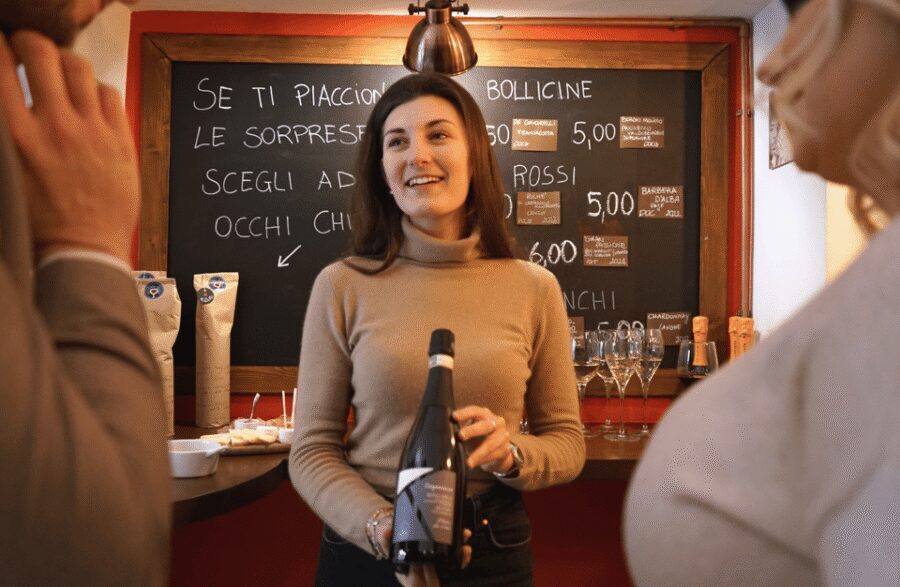
The class starts in Turin, and it begins the way Italians often start a meal: with a drink, small bites, and conversation. You’ll get a starter of Prosecco and nibbles, which sets the tone fast. You’re not thrown straight into flour dust. You ease in.
This part matters more than it sounds. In a good in-home class, you’re not only learning recipes. You’re learning the kitchen rhythm. During the aperitivo, you’ll get your bearings—how the day will flow, what you’ll make next, and how your host expects the group to work. You also get a sense of the local “family table” style, where food is for sharing, not for scoring points.
Language can be part of the experience too. In a couple of cases, guests mentioned some friction when trying to communicate. The upside is that it still works. You’ll likely rely on a mix of simple English, food terminology, body language, and translation apps. If you come with a calm attitude, you’ll be fine—and you’ll probably laugh about it by the end.
Rolling and shaping seasonal pasta in a real Turin kitchen
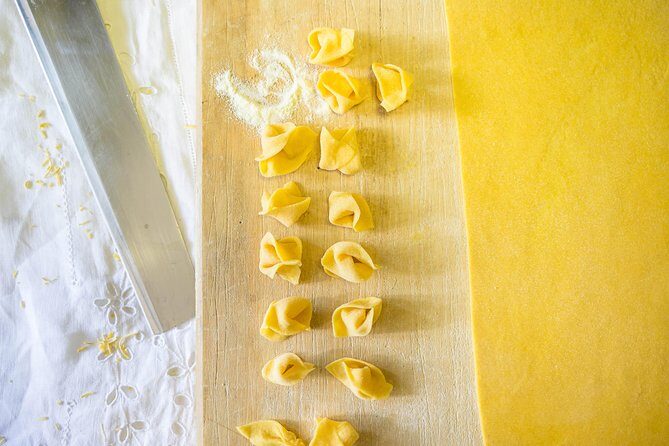
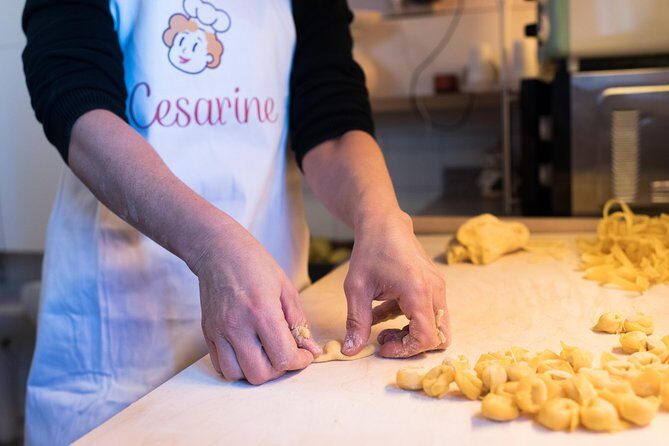
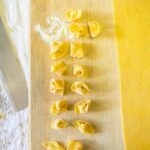
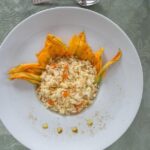
You’ll cook two pasta dishes during the class, and they’re not random. The menu is built around what’s seasonal, with pasta filled or flavored according to the time of year. That means the skills you learn aren’t just generic pasta tricks—they’re tied to what people actually eat now.
What you’ll do (and why it’s useful)
Handmade pasta usually has three learning goals:
- Dough feel: how it should look and behave
- Portioning and shaping: getting consistent results
- Sauce balance: pairing something simple with something flavorful
From the class flow, you’ll do the hands-on parts, then cook and dress the pasta with a simple sauce. You’re not building a complicated multi-hour meal. You’re learning how Italian home cooks keep it practical.
What makes this pasta lesson different
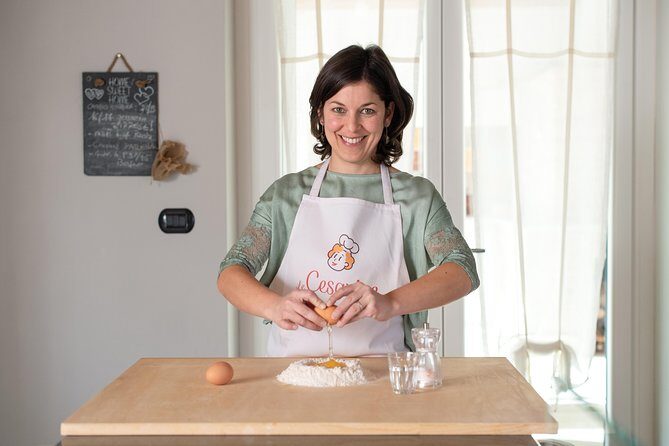
The best part isn’t just rolling dough. It’s being coached through the little decisions: thickness, handling, and how to keep dough workable without turning it into a workout. People who took the class emphasized how patient the teaching was and how clearly the reasons behind each step were explained. That’s key if you want to repeat this at home without guessing.
And there’s more food than the pasta alone. One guest specifically said there was a large spread of appetizer food, and that they left stuffed and satisfied. So you’re likely to get more of a full-course feeling than you’d expect from a short class.
Other cooking classes and culinary experiences in Turin

Your tiramisù night: making it from scratch, layer by layer
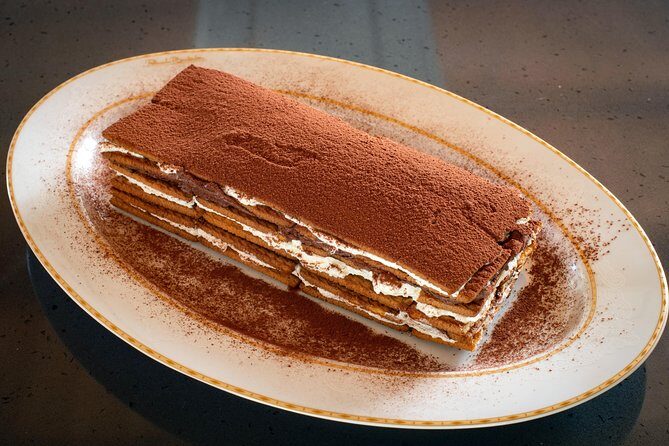
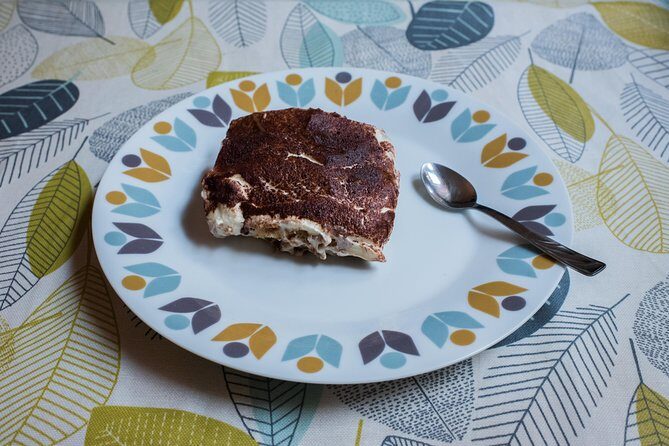
After pasta, dessert becomes the main event: tiramisù, prepared from scratch. If you’ve ever had tiramisù that tasted like it was assembled rather than made, this is the fix. You’ll see the structure and how the flavors work together—coffee, cream, and the layering that makes it slice cleanly.
The class approach is simple: you’ll make it yourself, not just watch someone else do it. And because you’re already cooking earlier in the day, this dessert section feels like a reward, not a separate chore.
Why doing it yourself matters
Tiramisu is one of those desserts people think is either easy or impossible. In practice, it’s technique plus restraint. The biggest “at home” benefit is learning how it should look and feel as it comes together. Once you’ve made it once in a teaching kitchen, you can repeat it for guests with confidence.
And if you’re traveling alone or with a partner, this is also a morale booster. Pasta can be hands-on and a little messy. Dessert is where the experience turns social—chatting while you assemble, tasting along the way, and planning how you’ll serve it later.
Eating together: wine, family-style table time, and keeping it memorable
In Italian home-style dining, the main point is simple: you eat what you make. After cooking, you’ll sip local wine and eat family-style with your host. That’s not a throwaway extra. It changes the entire experience because you’re tasting your results while the day is still fresh.
You also get the social part that cooking classes sometimes skip. Several guests described laughing with their host by the end, and that feeling of being welcomed into the home rather than treated like a customer. Names came up in the feedback—people shared warm experiences with hosts including Sara and Alesdio, and also with hosts named Doretta and Jenni. The takeaway for you is that the connection is real. This isn’t just a scripted performance.
The practical value: learning to host later
This class gives you more than recipes. You learn how to present a meal in a way that feels effortless:
- start with an aperitivo mood
- serve pasta family-style
- follow with tiramisù that feels celebratory
That’s how you can recreate the experience at home.
Bonus: photos and videos
One guest mentioned receiving photos and videos documenting the cooking experience. That’s a small thing, but it’s useful. You won’t just remember what you tasted—you’ll have proof of what you did.
Price and logistics: is $174.60 worth it?
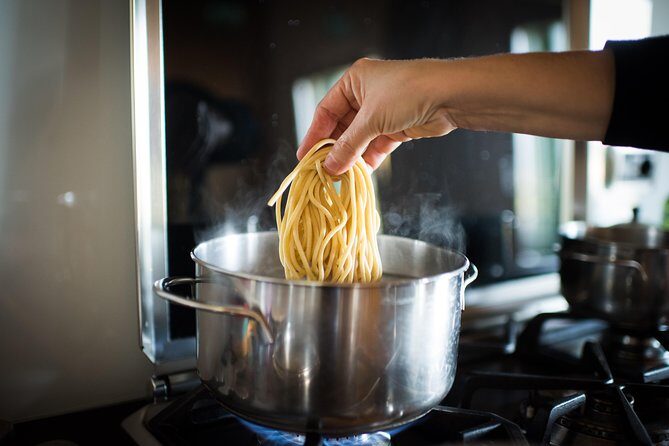
At $174.60 per person for about three hours, you’re paying for something specific: private instruction in a local home, with a full food experience attached (aperitivo, two pastas, tiramisù, plus wine and shared eating). This isn’t a cooking demo. It’s hands-on, personalized, and structured around real meals.
Here’s how to judge the value for your own trip:
- If you want a more personal experience than group classes, the privacy justifies the cost.
- If you’ll actually cook these recipes again at home, the skills pay you back.
- If you’re traveling with someone and splitting the cost makes it feel less steep, it can be an excellent “one special activity” day in Turin.
Possible drawback from my perspective: you’re still relying on a human schedule inside someone’s home, so don’t treat it like a quick, drop-in activity. Also, since the class is in English, it’s great for many visitors—but the cooking world still has nonverbal elements. If your comfort with communication is low, plan to use translation tools and expect some improvisation.
Who should book this Turin pasta and tiramisù class
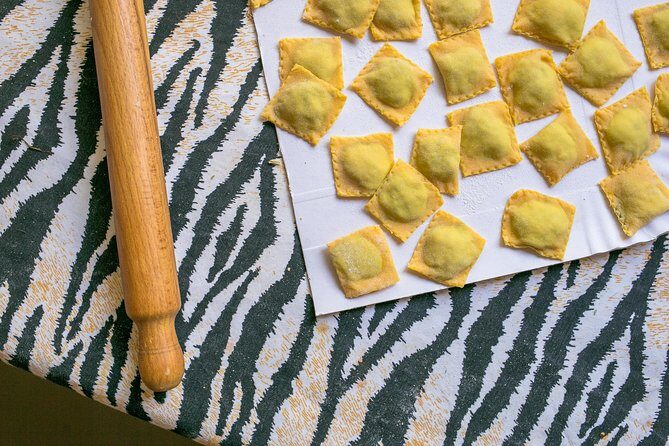
This experience fits best if you like any of the following:
- You want an authentic meal in a local home, not just another guided stop
- You’re excited to learn real technique for handmade pasta
- You care about eating what you cook, with wine and conversation
- You’re traveling with a partner or small group and value one-on-one attention
It’s also a strong choice if you’re not a cooking expert. Multiple guests said they enjoyed it even without culinary confidence, and that the teaching felt patient. If you can follow steps, you can do this.
If you’re strictly looking for nightlife, museum time, or a quick photo op, then this may feel too focused on the kitchen. But if you want a Turin memory that you can taste and recreate, it’s a winner.
My booking checklist before you go
Before you book, I’d think through these details so you’re set up for a smooth class:
- Language comfort: bring a translation app if you’re not confident in Italian
- Food expectations: you’re doing two pastas and tiramisù, plus appetizer-style bites
- Pace: plan for about three hours in someone’s home environment
- Home-kitchen reality: wear something comfortable you don’t mind getting a little flour on
And once you’re there, lean into the moment. Ask why something is done a certain way, not only how. The “why” is what makes the recipes stick.
Should you book? My take
Yes—if you want Turin in an edible, repeatable form. This is one of those activities that goes beyond cooking because it’s tied to hospitality, seasonal food, and real family-style eating. The consistently high feedback makes sense: private attention, patient teaching, and the feeling of being welcomed into the home.
I’d skip it only if the price feels out of range for your trip, or if you strongly prefer activities that don’t involve hands-on cooking and some language improvisation. Otherwise, this is exactly the kind of experience that turns travel into a skill you can use back home.
FAQ
What will I cook during the class?
You’ll learn to cook two pasta dishes and make tiramisu.
How long is the experience?
The class runs for about 3 hours.
Is the class private?
Yes. It’s a private tour/activity, and only your group participates.
What language is it offered in?
It’s offered in English.
Where does the class take place?
It’s held in a carefully selected local home in Turin. The activity ends back at the meeting point.
What’s included at the start of the class?
You start with an Italian-style aperitivo: Prosecco and nibbles.
Do I eat what I cook?
Yes. You’ll eat family-style with your host and also sip local wine.
Can I cancel for a refund?
Yes. You can cancel for a full refund if you cancel up to 24 hours in advance.