REVIEW · TURIN
Turin: Egyptian Museum Small Group Skip-the-Line Guided Tour
Book on GetYourGuide →Operated by Keys of Italy/Piemonte · Bookable on GetYourGuide
Ancient Egypt in Turin, minus the museum maze. This small-group guided visit gets you past the stress and straight into the Egyptian Museum’s best objects, with a skip-the-line entry and a maximum of 9 people. It’s a focused way to see why this collection is considered the most important in Europe.
I especially like the way the tour walks you through the galleries in chronological order, so you don’t just look at artifacts—you understand how styles and beliefs changed over centuries. I also like the specific emphasis on standout pieces, from the Tomb of Kha to the Ellesija temple, which are the kind of sights that usually take more time than most museum visits allow.
One thing to consider: it’s a tight 2-hour format with a fixed route, and the rules are strict—no cameras and no backpacks or large bags—so you’ll want to plan your visit for learning, not wandering.
In This Review
- Key highlights at a glance
- Why skip-the-line matters at Turin’s Egyptian Museum
- Small group comfort: up to 9 people and headsets when needed
- The meeting point at Carignano Square: what to do and where to look
- What you’ll see first: Egyptian art in chronological order
- Tomb of Kha: why this stop is worth the price of admission
- The Drovetti papyri collection: why paper can feel powerful
- Ellesija temple: a rock-hewn monument and a relocation story
- Rules that affect your visit: no cameras, no bags, no flash
- Price and value: is $93 for 2 hours a fair deal?
- How to make the most of the tour in the museum
- Who should book this tour?
- Should you book this Turin Egyptian Museum skip-the-line tour?
- FAQ
- Where is the meeting point for the tour?
- How long is the guided tour?
- How big is the group?
- What languages are offered?
- Does the tour include skip-the-line entry?
- What is included in the price?
- Is the tour wheelchair accessible, and what items are not allowed?
Key highlights at a glance
- Skip-the-line entry to reduce waiting and get moving fast
- Monolingual small groups (up to 9 people) for a more manageable pace
- A chronological path that makes the centuries easier to follow
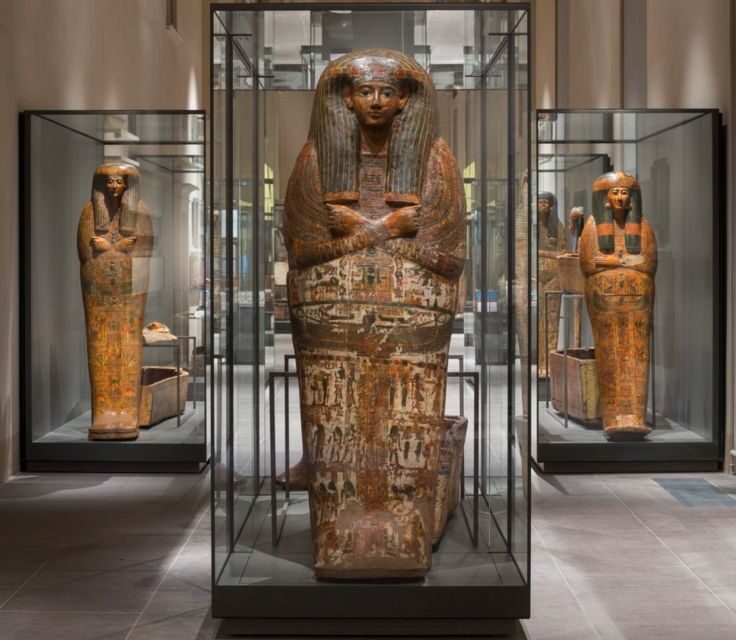
- Tomb of Kha plus signature artifacts like sarcophagi and everyday objects
- Drovetti papyri collection treated as world-class by many Egyptology scholars
- Ellesija temple—a rock-hewn structure moved from Egypt to Italy in 1966
Why skip-the-line matters at Turin’s Egyptian Museum
The Egyptian Museum in Turin can feel like a treasure hunt with too many corridors. Even when you care a lot, it’s easy to lose time at the entrance or inside figuring out what to prioritize. This tour fixes that problem up front with a skip-the-line ticket tied to your guided entry.
That matters in real terms. You get your momentum from the start. You also avoid the classic museum trap: spending your best energy “finding the highlights” instead of actually understanding them. With a guide in front of you, you’re not just scanning displays—you’re getting the context that turns objects into stories.
It also helps that the group stays small. With a maximum of 9 people, the tour doesn’t feel like a loud rush. You get more chances to hear explanations clearly, and you’re less likely to get swept along like a single unit.
Other city cards and skip-the-line passes in Turin
Small group comfort: up to 9 people and headsets when needed
This isn’t a huge coach-style tour. It’s designed as a semi-private experience with a maximum of 9 guests, and it runs as a monolingual group. That last detail is underrated. When everyone is in the same language, the guide can keep the flow without switching pace every time someone asks something new.
For groups larger than 6, you’ll get head set audio. If you’ve ever strained to hear a guide through a crowd in a museum hall, you’ll appreciate this. It tends to make the difference between catching the main points and missing them while the room gets busy.
The guide quality is consistently the part that people remember most. Names that come up again and again include Nadia, Louisa, Francisco, Francesco, Marco, Luisa, Gabriel, Giada, and Laura. Different people lead different tours, but the pattern is clear: when the guide is at ease with the subject, you feel it in how the tour moves.
The meeting point at Carignano Square: what to do and where to look
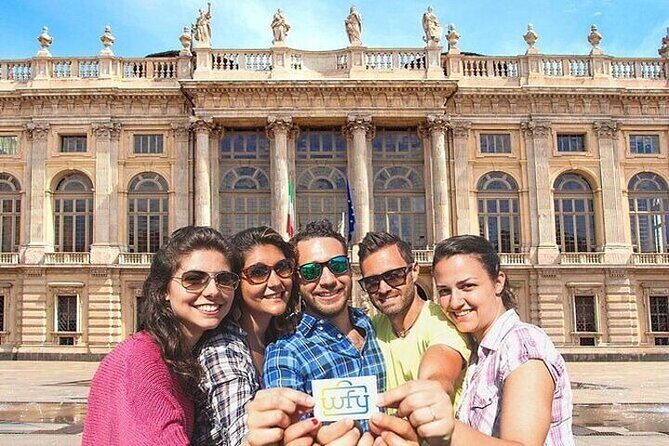
Your tour starts at Carignano Square, near the statue at the center of the square. The operator sign you’re looking for is Keys of Italy. The biggest practical tip here is timing: arrive 15 minutes earlier than departure.
That buffer matters because you’ll use it to:
- find your guide without stress
- get in line for entry smoothly
- settle before the tour begins
If you’re traveling with friends, set an agreed meeting spot in advance. The square is simple, but you don’t want a small confusion to eat into your guided time.
What you’ll see first: Egyptian art in chronological order
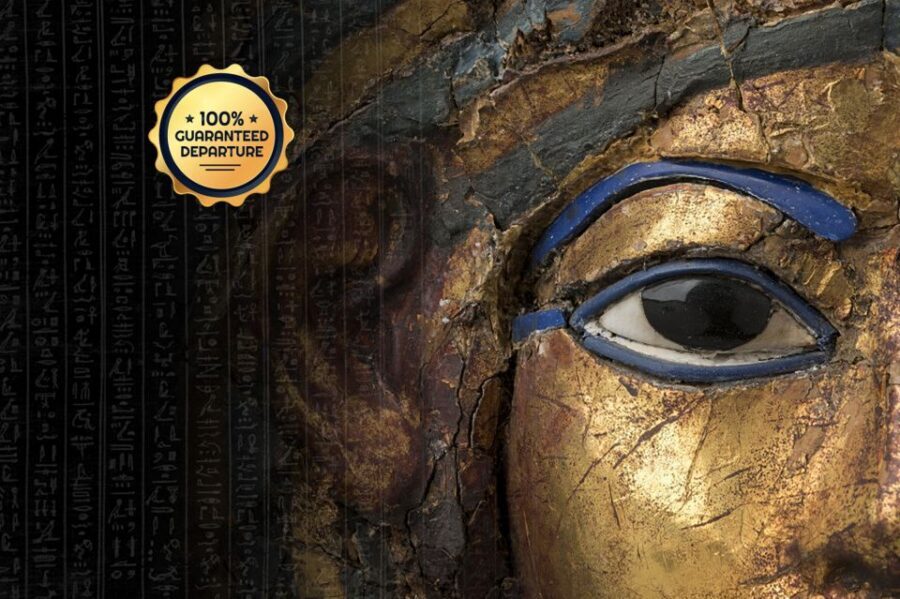
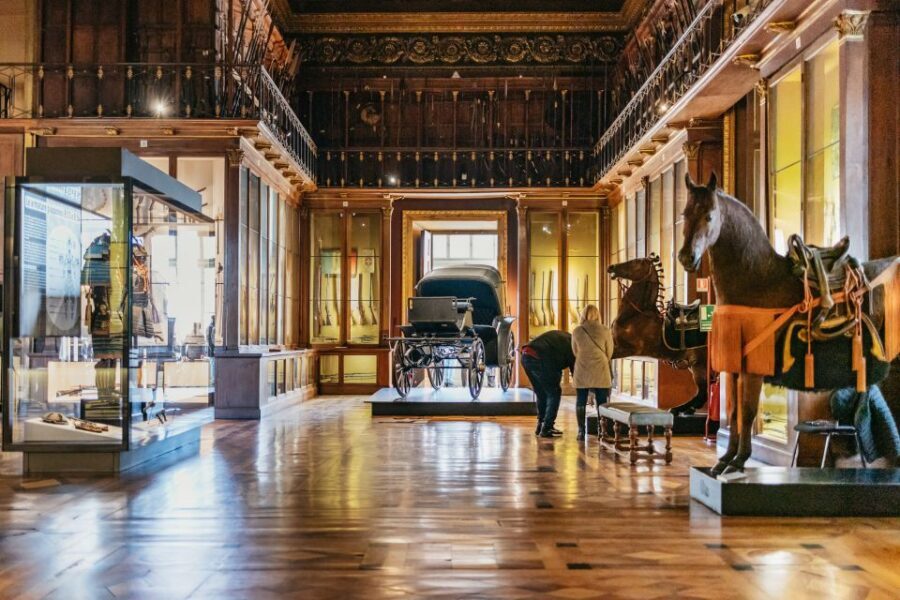
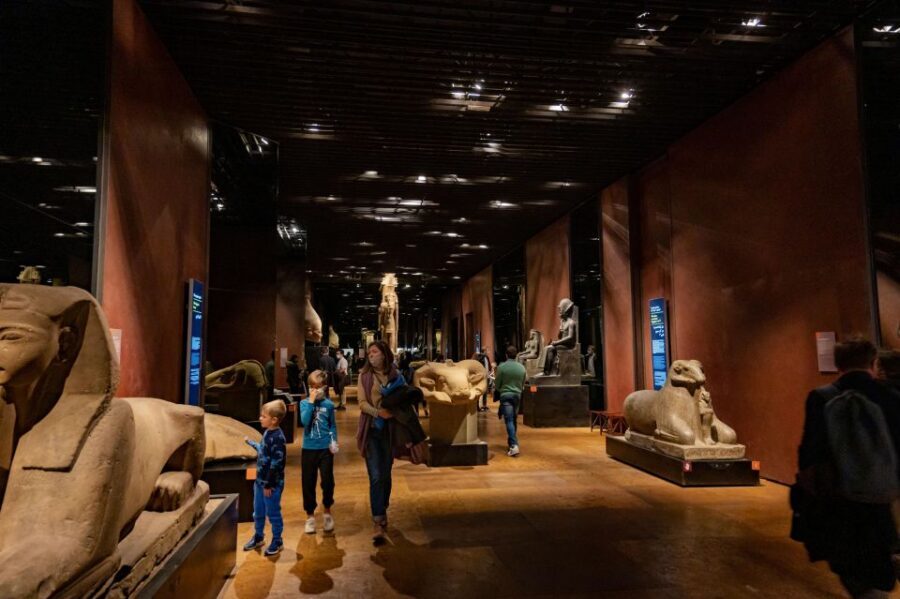
Once inside, the tour is built around the museum’s layout by time. The displays are organized from the 4th century BC to the 3rd century AD, and you’ll follow that sequence with the guide explaining what you’re looking at and why it matters.
This format is more than a convenience. Chronology is how you make sense of Egyptian civilization at the scale the museum offers. Instead of treating every statue like it’s from a separate world, you start to notice shifts—styles, religious themes, and how everyday items fit into beliefs about life, death, and the afterlife.
You’ll also see major categories you’d want on any “best of” list:
- sarcophagi and funerary objects
- statues and everyday household items
- smaller details that show how people actually lived
One memorable aspect is the inclusion of preserved or unusual items. The tour highlights examples like salted meat and even a pottery bowl with residues described as tamarind and grapes. Details like these help you connect the museum to real behavior, not just myth.
Tomb of Kha: why this stop is worth the price of admission
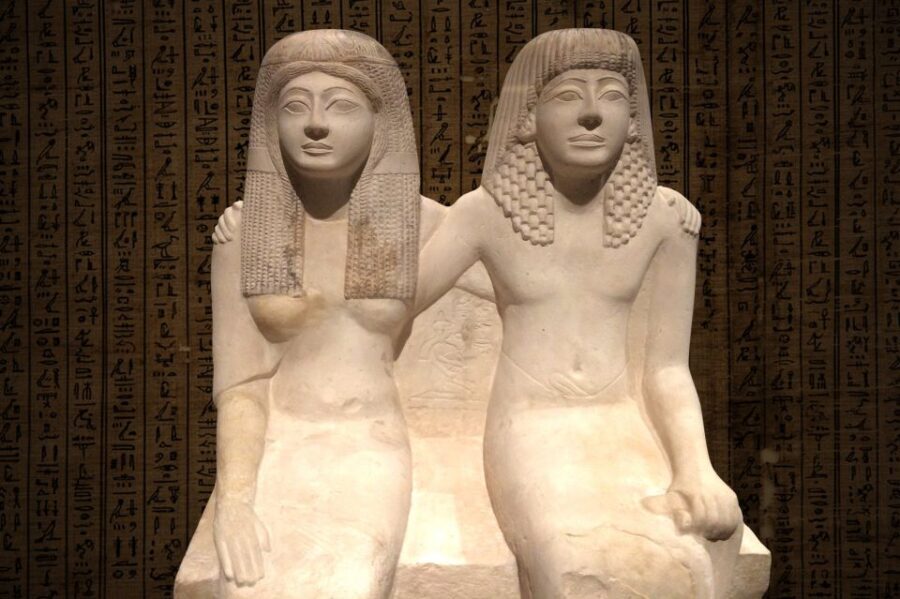
If you only had time for one “wow” moment, this is the one that anchors the whole experience: the Tomb of Kha, a tomb builder to the pharaohs, dating to around 3,500 BC.
In many museums, you see Egyptian life from a distance: carved walls behind glass, figures you can’t picture in motion. Here, the tomb experience makes the period feel more immediate. You get to connect the objects to a job and a role—Kha wasn’t just “someone from long ago.” He was part of the machinery that built the world Egyptians imagined would last.
This is also a great moment for asking questions. People tend to have more curiosity once the tour stops being about dates and starts feeling like a human story. The guide can usually point out what to look for without turning it into a lecture.
Other Egyptian Museum (Museo Egizio) tours in Turin
The Drovetti papyri collection: why paper can feel powerful
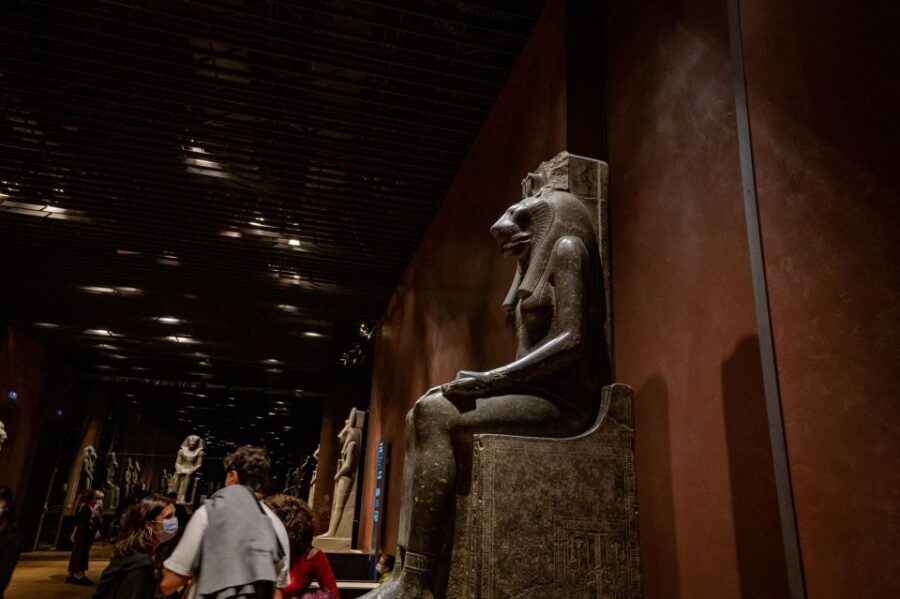
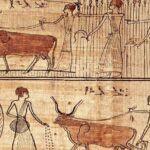
Next comes the Drovetti collection of papyrus sheets, described as among the most important in the world.
Paper sounds ordinary until you remember what papyrus represents: writing meant to survive, information meant to be stored, and messages created in a culture that cared intensely about meaning and memory. Even if you don’t read the script, the guide’s explanation helps you understand what these documents can tell you—about administration, religion, and daily life.
This stop is valuable for a simple reason: most visitors expect statues and burial goods. Papyrus expands what you think “Egyptian Museum” means. It shifts your attention from appearance to language—how ideas were recorded and carried forward.
Ellesija temple: a rock-hewn monument and a relocation story
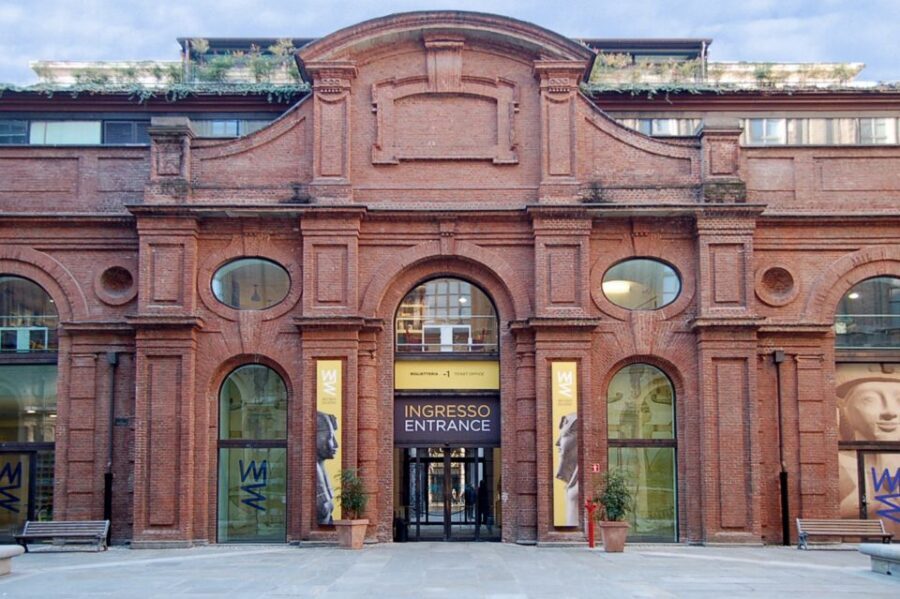
The final major highlight is the Ellesija temple, a rock-hewn temple more than 3,500 years old.
The tour explains not only what the temple is, but what happened to it. It was built for Pharaoh Tuthmosis III, and it was saved from Nile flooding before being moved to Italy in 1966.
That relocation detail changes how you see the whole building. You’re not standing in a generic replica museum room—you’re standing inside a piece of architectural history that was physically rescued and rehomed. It’s a good time to reflect on why museum collections exist at all, and how preservation decisions shape what you can experience today.
Rules that affect your visit: no cameras, no bags, no flash
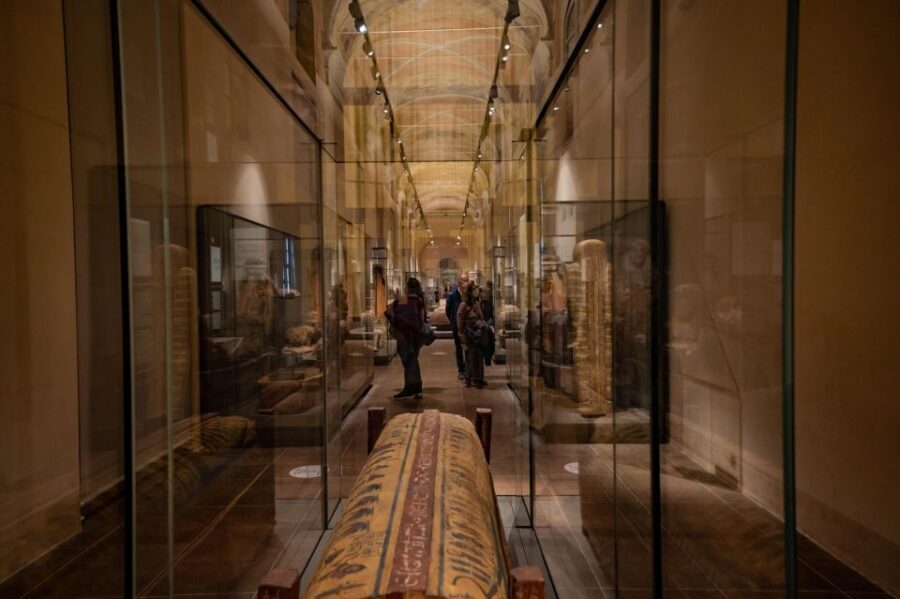
This is the part that can surprise people, so I’m glad it’s clear before you go. The tour does not allow:
- cameras
- flash photography
- luggage or large bags
- backpacks
Plan accordingly. If you rely on photos to remember details, treat this as a “take notes” kind of tour. A quick phone note app is often the easiest workaround when cameras are off-limits.
Also, travel light. Museums plus group movement gets annoying fast with bulky items. Keeping yourself unencumbered makes the walking portion smoother and reduces the chance you’ll have to handle your belongings while the group waits.
Price and value: is $93 for 2 hours a fair deal?
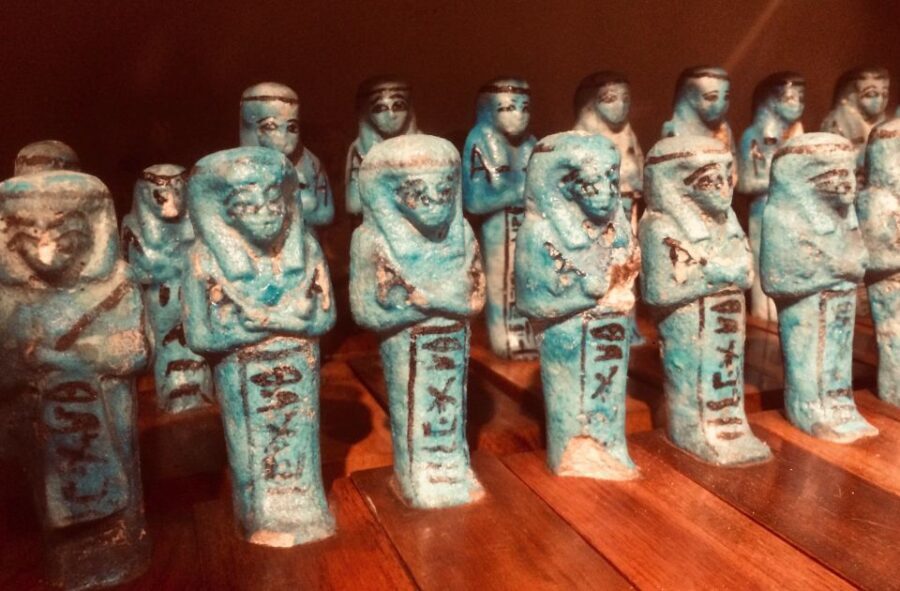
At $93 per person for a 2-hour guided visit, you’re paying for three things you’d struggle to replicate on your own:
- a guide who can point out the “right” objects and explain them in sequence
- skip-the-line entry, which saves time and stress
- a small group pace that’s easier to follow than solo wandering
The math works best if you like learning and you want structure. This museum has major pieces, but it’s also big enough that a self-guided visit can turn into a blur. A guide helps you spend your limited time where it counts.
The other value factor is group size. With up to 9 people, it’s not a rush, and the tour is designed as semi-private. If you’ve felt like crowded tours flatten everything into one big line, this format tends to feel like relief.
If you’re the type who wants to read every label slowly and spend lots of time in one hall, you might still enjoy the tour—but you may find you want additional self-guided time afterward. (This tour is built as a focused highlights pass.)
How to make the most of the tour in the museum
I’d treat this as a “high-impact learning sprint.” Here are a few practical moves that tend to work well:
- Pick your question style: if you like myths, ask about the beliefs behind what you’re seeing. If you like objects, ask what a specific item was used for.
- Use the chronological setup: when the guide moves forward in time, try to notice what changes—materials, symbols, or how funerary objects reflect religion.
- Lean into the unusual items: the tour’s inclusion of preserved foods and everyday remains is a hint that the guide wants you to connect history to real behavior.
And if you’re traveling with kids, it can go either way. One account noted a 9-year-old struggling to stay engaged because the tour is a fixed format. So if you’re bringing younger visitors, consider whether they’re ready for a structured walkthrough rather than a game of free exploration.
Who should book this tour?
Book this tour if you:
- want a guided route through the museum’s main eras (BC to AD)
- care about understanding what you’re seeing, not just viewing objects
- prefer a small group and clear audio (headsets for bigger groups)
- like Egyptology stories that connect artifacts to real people—like Kha’s role
It’s especially strong for first-time visitors to the Egyptian Museum in Turin, because you get both the blockbuster stops (Kha, papyri, Ellesija) and the framing that makes them coherent.
Should you book this Turin Egyptian Museum skip-the-line tour?
If your goal is to see the museum’s best parts in two focused hours without wasting time, I think this is a smart booking. The skip-the-line entry, small-group cap, and the emphasis on major set pieces (Tomb of Kha, Drovetti papyri, and Ellesija temple) add up to real value.
I’d skip it only if you strongly prefer self-paced museum wandering, or if you need the freedom to take photos and haul bags around. With the no-camera and no-backpack rules, this is best for travelers who can travel light and learn on the move.
FAQ
Where is the meeting point for the tour?
Meet your guide at Carignano Square, near the statue at the center of the square. The guide will have a Keys of Italy tour operator sign. Arrive 15 minutes earlier than the departure time.
How long is the guided tour?
The tour lasts 2 hours.
How big is the group?
This is a small group experience with a maximum of 9 participants.
What languages are offered?
The live guide is available in English, French, Spanish, and Italian.
Does the tour include skip-the-line entry?
Yes. You get an Egyptian Museum skip-the-line ticket and enter with your guided group.
What is included in the price?
Included items are the guide, the Egyptian Museum skip-the-line ticket, and head set for groups larger than 6 guests.
Is the tour wheelchair accessible, and what items are not allowed?
The tour is wheelchair accessible. It is not allowed to bring cameras, flash photography, luggage or large bags, or backpacks.