REVIEW · TURIN
Turin: Egyptian Museum 2-hour monolingual guided experience
Book on Viator →Operated by Hidden Experiences · Bookable on Viator
Mummies in Turin, not Egypt. This 2-hour small-group guided visit to the Museo Egizio is built to get you to the right rooms quickly, with your admission ticket included. I love the way the route focuses on the real standouts, and I love hearing the stories tied to objects like papyri, mummies, and Pharaohs’ jewelry.
One thing to keep in mind: the museum is huge, so two hours is a highlights sprint, not a complete-by-yourself wander through every room.
In This Review
- Key things to know before you go
- Museo Egizio in 2 hours: what this tour is really good at
- Meeting at Via Accademia delle Scienze: start strong, don’t waste minutes
- Inside the museum: the guided route you’re paying for
- Highlights you’ll actually see: mummies, papyri, Pharaoh jewelry
- Mummies and funerary finds
- Papyri and written evidence
- Pharaohs’ jewelry and symbols of power
- Why the small-group cap (15) changes the museum experience
- Your 2-hour pacing plan: how to get more out of every stop
- Guide quality: the real star in the reviews
- Is it worth $71.10? A value check for your time
- Who should book this Museo Egizio guided tour?
- Should you book it?
- FAQ
- How long is the Turin Egyptian Museum guided tour?
- What’s the price per person?
- Is the admission ticket included?
- How big is the group?
- Where do we meet for the tour?
- Is the tour guided in one language?
- Are service animals allowed?
- What if I cancel—do I get a refund?
- What if the tour is canceled due to minimum travelers?
Key things to know before you go
- Prebooked ticket + guided route helps you move straight to the top pieces instead of waiting at entry.
- Max 15 people keeps the pace manageable in a museum that can feel crowded.
- Egypt-focused collection: one of the world’s biggest concentrations of Egyptian antiquities.
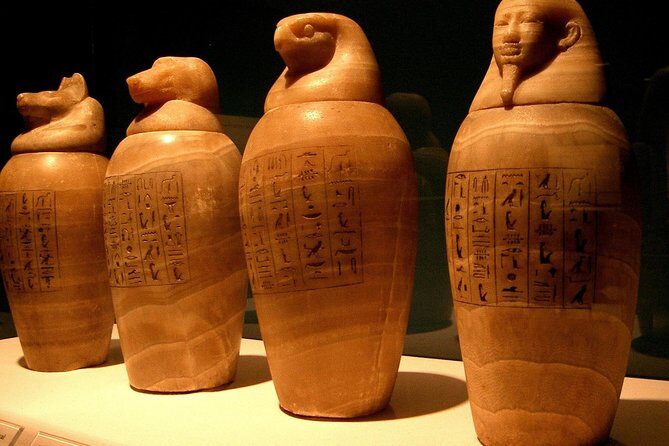
- Expect mummies, papyri, and jewelry as the core of what you’ll see and discuss.
- English-speaking guides show up in the reviews (check your booking for the exact language promised).
- Meet at Via Accademia delle Scienze, 6 and the tour ends back there.
Museo Egizio in 2 hours: what this tour is really good at
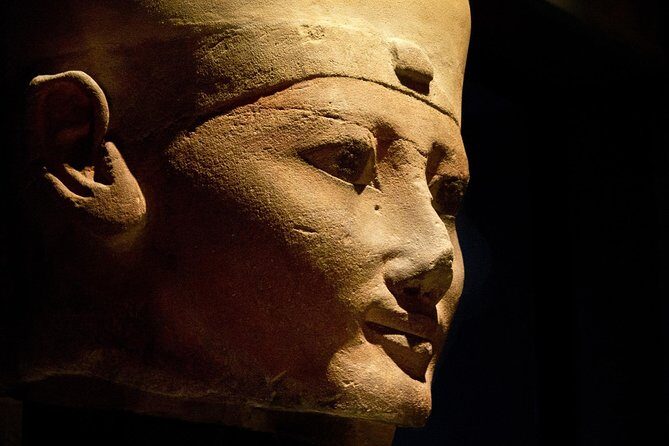
The Egyptian Museum in Turin, the Museo Egizio, is famous for a simple reason: it’s all-in on ancient Egypt. It’s the oldest museum dedicated entirely to Egyptian civilization, and it’s often described as the main point of comparison after Cairo. That matters, because it means you’re not juggling five themes in one building. You’re getting a concentrated dose of Egypt—mummies, papyri, and artifacts tied to specific eras.
This tour’s big promise is time. You prebook your ticket, then go with a guide so you can start seeing highlights sooner. In a museum this large, “time saved” turns into “more meaningful seeing.” You’re not standing around figuring out where the mummies are, or where the timeline moves next. The guide keeps things moving, and you’re guided through a story arc instead of a random checklist.
And yes, the small group size matters. With a cap of 15 travelers, you can actually hear the explanations and ask questions without feeling like you’re part of a human traffic jam. Several people call out that the guide helped them navigate crowds and layout confusion, which is exactly what you want when the building feels busy.
Other Egyptian Museum (Museo Egizio) tours in Turin
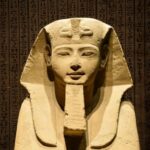
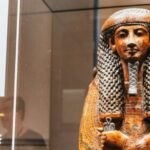
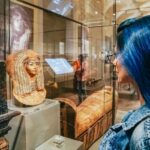
Meeting at Via Accademia delle Scienze: start strong, don’t waste minutes
Your starting point is Via Accademia delle Scienze, 6, 10123 Torino TO, Italy. The tour ends back at the same meeting point, which is handy because you don’t have to plan your exit path while you’re still thinking about ancient jewelry and embalmed bodies.
You’ll also see that the meeting spot is described as near public transportation. That’s useful if you’re pairing this with other Turin sights that day. Turin’s not hard to move around in, but museum time adds up fast. A tour like this works best when you treat it like a firm anchor on your schedule.
Since this experience includes admission, your first job is simple: show up on time and be ready to walk in together. Even short delays can compress the pace, because the whole plan is built around a controlled 2-hour window.
Inside the museum: the guided route you’re paying for
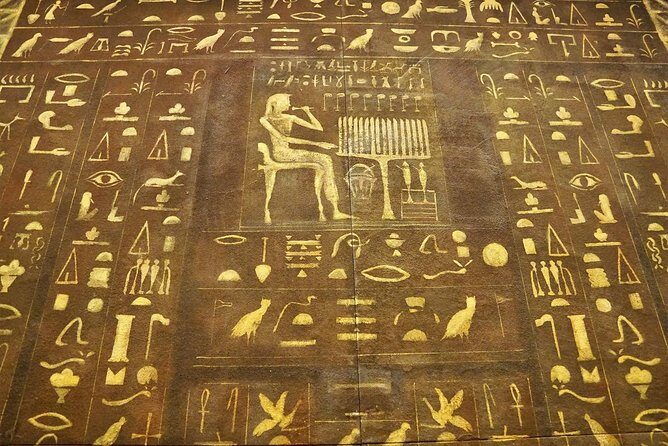
The Museo Egizio doesn’t just have a lot to see. It has thousands of years of material packed into a layout that can feel unintuitive when you’re on your own. That’s why the guide isn’t a luxury here. It’s a sorting tool.
The format is straightforward:
- Your guide takes you to major exhibits
- They explain what you’re seeing and why it matters
- You get time for questions as you move
This is where I think the “monolingual guided experience” wording is important. You’re not switching languages mid-stream, and the guide can keep the flow focused. In reviews, you’ll see lots of emphasis on guides using clear English and delivering the museum’s story in an organized way.
Also, a theme shows up again and again in the notes people leave: the museum is so big that a self-guided visit can turn into a series of quick stops. With a guide, you get an order. You learn how the epochs progress, and that helps your brain connect artifacts across time instead of treating each object as a separate photo opportunity.
Highlights you’ll actually see: mummies, papyri, Pharaoh jewelry
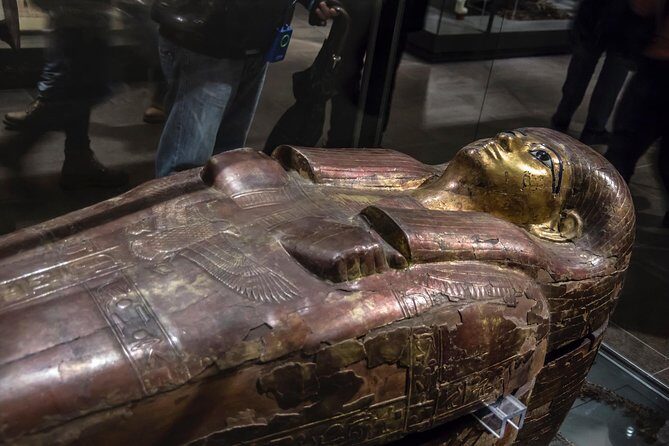
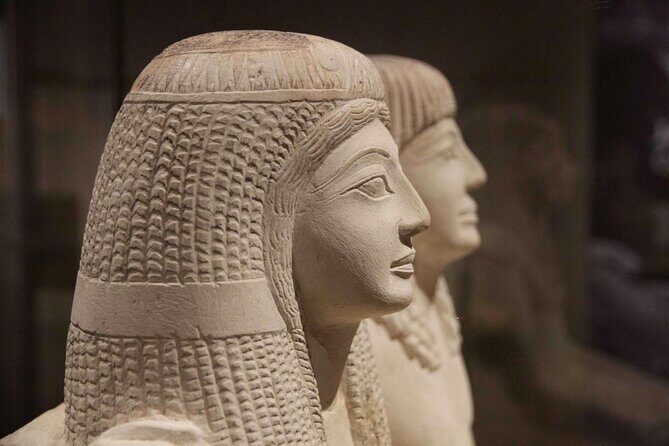
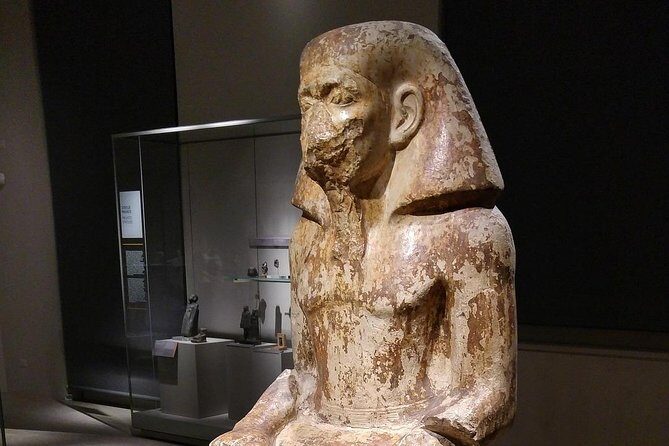
Even if you know the museum’s reputation, it’s still impressive in person. You’re walking through a collection where Egyptian life and belief show up through objects—funerary items, everyday writing materials, and items tied to power.
Here are the highlight categories this tour is built around:
Mummies and funerary finds
Mummies are the obvious magnet. But what makes them more than just a shock-and-awe moment is context. A good guide connects the mummy and its associated objects to how Egyptians thought about death, status, and protection in the afterlife. You’re not only looking; you’re learning what the features meant and how the pieces fit together.
In several guide descriptions, people specifically mention the guide bringing the major exhibits to life and explaining time periods and significance. That’s what transforms the mummy section from spooky to understandable.
Other guided tours in Turin




Papyri and written evidence
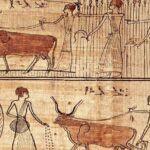
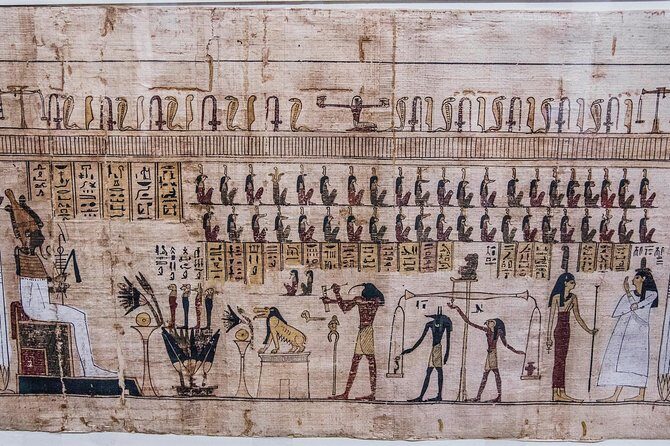
Papyri matter because they add voices to the story. You’re seeing that Egypt wasn’t only about tombs and monuments. It had paperwork, records, and language that survived. Your guide’s job here is to point out what’s special about the documents as artifacts—how they were used and why they survived at all.
If you love the idea of history as messages from real people, papyri are often the part that clicks hardest.
Pharaohs’ jewelry and symbols of power
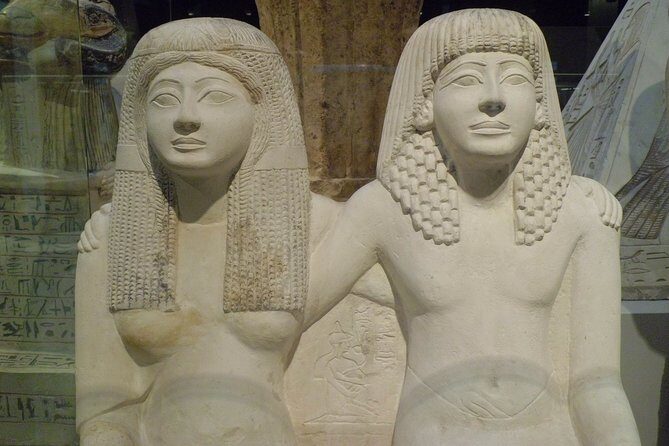
Egyptian jewelry isn’t just decoration. It’s tied to rank, identity, and religious meaning. The tour includes a focus on magnificent jewelry connected with Pharaohs. With a guide, you learn what details signify, which turns jewelry from pretty to meaningful.
One of the best practical takeaways from guides described in reviews: they don’t only talk facts. They point out details you might miss. That’s huge in jewelry displays, where the important bits can look subtle at first glance.
Why the small-group cap (15) changes the museum experience
Museums get crowded. The Museo Egizio can get busy too. When it is, a large group becomes a wall. A small group becomes a line you can breathe inside.
With up to 15 travelers, you get several advantages:
- You keep together even when crowds slow movement
- The guide can manage pacing without losing half the group
- Questions are more likely to get answered on the spot
- The tour feels less like marching and more like a guided conversation
Some reviews also flag that the guide helped keep groups oriented through crowds and layout issues. That’s exactly the kind of practical help that makes a tour feel worth the money.
In short: the cap isn’t just a comfort feature. It protects the actual value of a guide-led highlights route.
Your 2-hour pacing plan: how to get more out of every stop
A two-hour museum tour succeeds or fails based on pacing. The good news is that this one is designed around highlights and stories, with the museum visit bundled as the entire experience.
So here’s how I’d maximize it:
- Come with one or two interests.
If you care most about mummies, say so. If you’re into written material, ask about papyri. The guide can steer attention.
- Ask about what you see, not just the dates.
The best answers usually connect an artifact to a purpose—how it was used, what it was meant to do, or why it mattered.
- Use the guide to spot details.
Jewelry displays and funerary objects often have features you’d overlook in a quick glance. Guides tend to point these out when you ask.
- Don’t try to turn it into a full museum day.
This is built as a concentrated route. If you want a slow, room-by-room visit later, plan a second pass on your own time. The guide experience is what gives you the framework first.
If you’ve visited big museums before, you’ll know the problem: you either race or you lose the story. This tour gives you the story, then gets you a curated path through the chaos.
Guide quality: the real star in the reviews
What stands out across the experiences is how much the guide’s style shapes the whole visit. People mention guides by name, and those names keep showing up in “this tour made the museum manageable” type feedback.
You’ll see several examples, like:
- Carol from Canada, praised for being highly knowledgeable and making the museum feel awe-inspiring
- Nassar / Nasr Ammar, described as a strong Egyptology-focused storyteller who explains significance clearly
- Sarah N., noted for being extremely knowledgeable and engaging through nonstop fascinating artifacts
- Luisa, credited with helping even when someone was late, and with turning a huge museum into something you could actually follow
- Lara and Alessandro, praised for making the timeline and details click and for answering questions
Of course, guide assignments can vary. But the pattern is consistent: you’re paying for an expert-run path and explanation, not just access to rooms.
Is it worth $71.10? A value check for your time
At $71.10 per person for a roughly 2-hour experience, you’re paying for three things:
- A prebooked admission ticket
- A guided highlights route
- A small-group cap that keeps the experience focused
If you’re deciding between going on your own versus paying for this tour, think about where you’d lose time. In a museum this big, the lost time is usually not the money. It’s the confusion: where to start, what to prioritize, and how to connect what you’re seeing across periods.
This tour is basically a shortcut to understanding. The guides don’t just point at artifacts; they place them in an order and explain why they matter. If you want to leave with a clearer sense of Egyptian civilization and what the museum is showing you, that’s when the price starts to feel fair.
Who should book this Museo Egizio guided tour?
This is a great fit if you:
- Want the main highlights without spending your brain power on navigation
- Prefer guided explanations over reading everything yourself
- Are short on time in Turin and want the museum to count
- Like museum experiences with room for questions in a small group
It may be less ideal if you:
- Want a slow, do-everything museum day
- Get frustrated with a structured route that moves at a set pace
- Are planning multiple long stops in the same day and can’t protect the 2-hour block
For families, it can work well too. People note the guide can adjust to a child’s interests, which is a big plus when you’re juggling attention spans.
Should you book it?
If you’re visiting the Museo Egizio and you don’t want to gamble your time on guesswork, I’d book this. The prebooked ticket plus a guide-led highlights route is the winning formula here, especially in a museum that can feel large and crowded.
Two questions to decide:
- Do you want a fast path to the museum’s best-known and most meaningful objects?
- Do you value explanations that connect mummies, papyri, and Pharaoh jewelry into a readable timeline?
If you answered yes to either, you’re likely to be happy with this one.
If you prefer drifting room to room with no structure, save your money and plan a self-guided visit instead. But for most people, the guided route turns the museum into a story you can follow.
FAQ
How long is the Turin Egyptian Museum guided tour?
It’s approximately 2 hours.
What’s the price per person?
The price is $71.10 per person.
Is the admission ticket included?
Yes. The experience includes the admission ticket.
How big is the group?
The tour has a maximum of 15 travelers.
Where do we meet for the tour?
You meet at Via Accademia delle Scienze, 6, 10123 Torino TO, Italy, and the tour ends back at the meeting point.
Is the tour guided in one language?
Yes. It’s described as a monolingual guided experience.
Are service animals allowed?
Yes, service animals are allowed.
What if I cancel—do I get a refund?
It offers free cancellation. You can cancel up to 24 hours in advance for a full refund.
What if the tour is canceled due to minimum travelers?
If it’s canceled because the minimum isn’t met, you’ll be offered a different date/experience or a full refund.