REVIEW · TURIN
Turin Egyptian Museum Entry Ticket plus Turin Digital Audioguide
Book on Viator →Operated by Weekend in Italy · Bookable on Viator
Mummies and jewelry in four floors of stone. This combo gets you entry to the renovated Museo Egizio and a video guide with themed routes and visit-length options. You’ll walk through one of Europe’s biggest Egyptian collections, with everything from papyrus scrolls to royal burial objects.
If you like a museum that treats both curious kids and serious students well, you’ll appreciate the way the galleries are organized across Egyptian periods and how the displays add context with multimedia. One watch-out: the main weak link here is the digital ticket swap, since some people report problems with vouchers or downloads close to entry.
The electronic bracelet swap is the key moment. If anything looks off, you may need extra time to sort it before the museum doors open.
Key points to know before you go
- Renovated Museo Egizio (reopened in 2015) with a modern layout across four levels
- One visit, electronic bracelet entry that must be worn through your time inside
- Video guide with multiple itineraries so you can match your interests and time
- 30,000+ Egyptian artifacts across daily life objects, royal tomb themes, and burial rites
- A smart 3-hour pace if you choose a route instead of trying to see everything
In This Review
- Museo Egizio Turin: why this Egyptian Museum still feels special
- What you actually get: entry ticket plus the Turin video audioguide
- The four floors of Egyptian history you’ll be walking through
- Floors above ground: pharaohs, tombs, and big myth themes
- Ground level and below: daily life and objects that feel human
- The big scale: 30,000 artifacts, and not all are on display
- Mummies, coffins, and taxidermied animals: what you’re likely to remember
- Papyrus scrolls and the restoration focus (the part scholars like)
- How to pace your visit for about 3 hours (without feeling rushed)
- Group size and scheduling: how to make the entry time work for you
- Value check: is the $124 price fair for what you get?
- Ticket-swap reality: the one step you should take seriously
- Who this experience fits best
- Should you book this Museo Egizio ticket plus digital audioguide?
- FAQ
- FAQ
- How long should I plan for the Museo Egizio visit?
- What does the ticket bundle include?
- How do the entry times work?
- Do I get a QR code ticket or something else at the museum?
- How many artifacts does the museum collection include?
- What kinds of Egyptian items can I expect to see?
- Is food or drink included in the price?
- Is hotel pickup included?
- Are tickets free for young children?
- Can I change or cancel after booking?
Museo Egizio Turin: why this Egyptian Museum still feels special
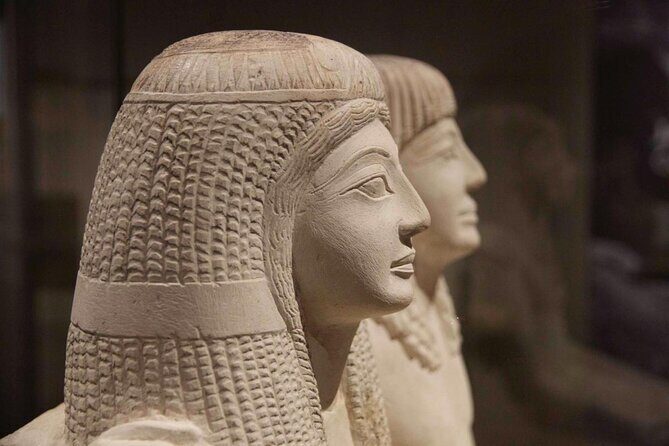
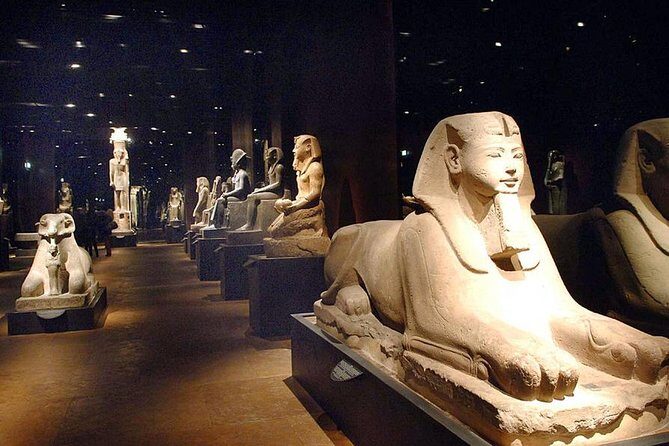
Turin’s Museo Egizio has a long reputation, but the real story is what happened in 2015. After a major renovation, the museum reopened with a layout that makes large collections feel navigable, not overwhelming. That matters because the museum’s size is no joke: it’s known for holding over 30,000 artifacts, and the displays are arranged to help you understand the sweep of Egyptian culture rather than just admire objects one by one.
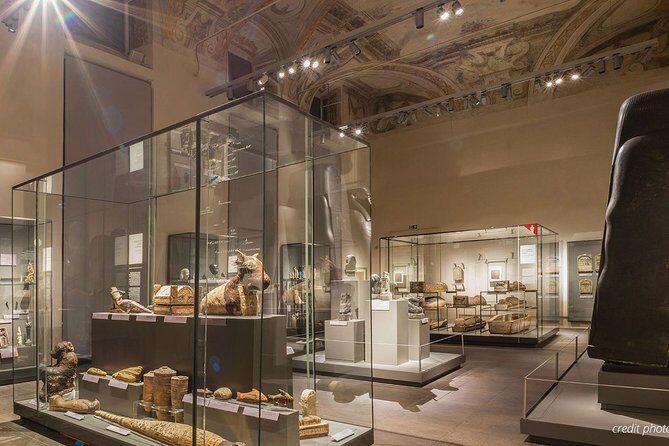
The best part is the range. You’re not only looking at royal tomb fantasy. You’re seeing the everyday side too—pottery, jewelry, and objects that point to how people lived, worked, and believed. And because the museum spreads its collections over four levels, you can choose how deep you want to go without needing to commit an entire day.
What you actually get: entry ticket plus the Turin video audioguide
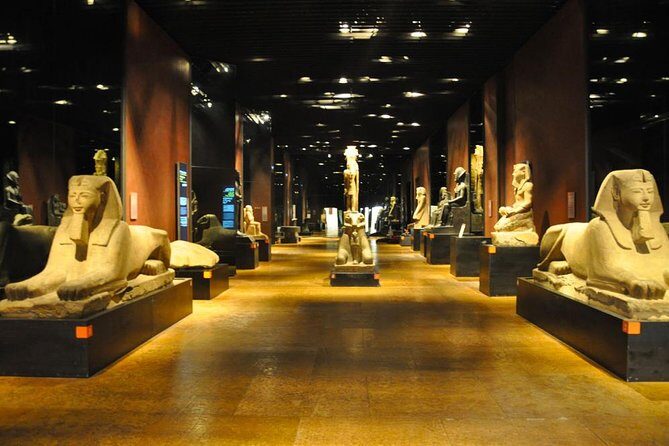
This experience bundles your museum entrance with a digital guide that’s delivered through the museum’s system on site. Instead of getting a printed ticket you have to worry about, you use an electronic voucher process that ends with a ticket bracelet. It’s valid for one entrance, and you need to wear it for the duration of your visit.
Once you’re set inside, you receive a video guide device that lets you pick an itinerary based on the content you care about and how much time you have. That’s a big deal in a museum like this, because “seeing the museum” can become a time trap if you’re wandering randomly.
The museum also uses multimedia displays in parts of the route. So even when you’re not actively watching the video guide, the space helps you connect what you’re looking at to the bigger story of Egyptian mythology and burial practice.
Other Egyptian Museum (Museo Egizio) tours in Turin
The four floors of Egyptian history you’ll be walking through
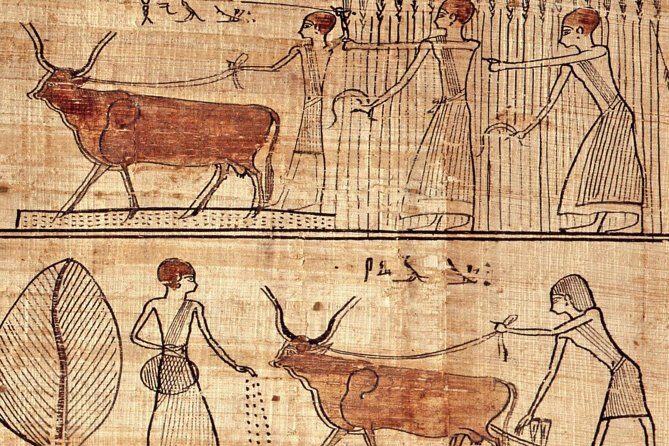
This museum is built for storyflow. The collection is organized so you can move through different periods and themes without losing the plot. Plan on three levels above ground and one below ground, then use that structure to your advantage.
Floors above ground: pharaohs, tombs, and big myth themes
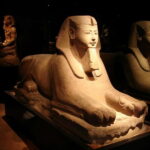
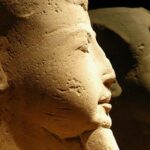
As you move through the galleries, you’ll find areas focused on powerful kings and queens—very much the Egypt of tombs, prestige, and elaborate burial. This is where the museum helps you understand burial as more than a spooky display. You get the idea of burial rites as a belief system tied to mythology, status, and what people thought happened after death.
You’ll also see royal burial artifacts that are visually dramatic but conceptually grounded. Instead of treating them like museum props, the displays connect them to the role of pharaohs and the worldview behind funerary customs.
Ground level and below: daily life and objects that feel human
Not all the emotion is reserved for sarcophagi. One of the most practical reasons to visit is that you’ll see Egyptian life through ordinary objects—jewelry and pottery—presented alongside the grand themes. That balance is what makes the museum feel more real.
If you’re traveling with kids, this is often the section where attention stays steady. A jewel or an everyday vessel can be easier to understand than an abstract myth concept.
The big scale: 30,000 artifacts, and not all are on display
Here’s the honest expectation: 30,000+ artifacts doesn’t mean every single one is sitting in front of you. The museum is large, and some items are kept in storage. That’s normal for serious collections. The win for you is that the public galleries are arranged to tell a coherent story, so you’re not just hunting for highlights.
A few more Turin tours and experiences worth a look






Mummies, coffins, and taxidermied animals: what you’re likely to remember
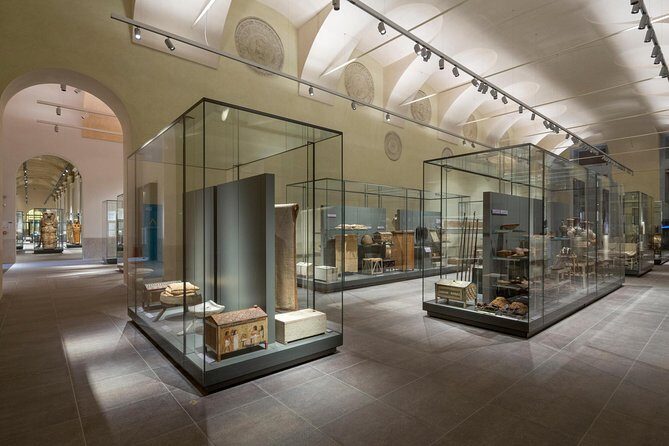
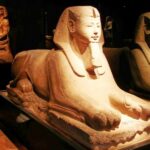
Let’s talk about the part people usually book the museum for: the mummies and funerary materials. You’ll encounter amazingly preserved mummies, plus coffins and burial-related objects. The way these are presented tends to make burial rites feel like culture, not just spectacle.
Then there’s another element that often surprises first-timers: taxidermied animals. These aren’t random oddities. They connect to Egyptian beliefs and practices around the animal world and the afterlife. If you’re the type who likes museums that explain why something matters, this is the section where that approach shows.
One more note for planning: if you’re sensitive to intense topics, you may want to choose a route that spaces out the most direct mummy-related rooms rather than stacking them back-to-back.
Papyrus scrolls and the restoration focus (the part scholars like)
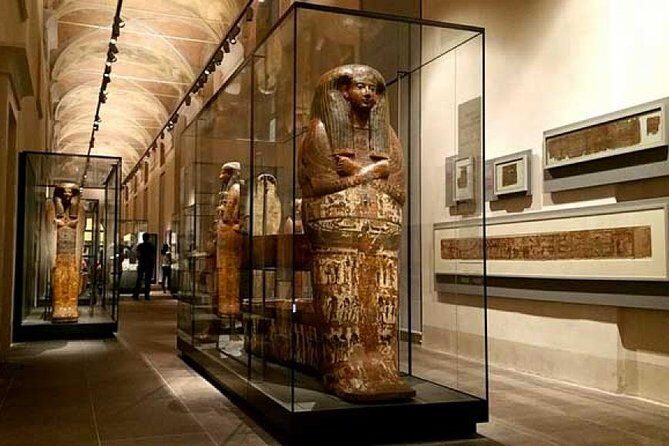
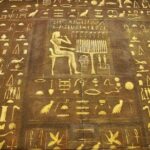
Egyptian history fans often expect papyrus. What’s different here is that the museum’s materials and storytelling include a focus on the restoration of papyrus scrolls, along with library-related spaces dedicated to that work.
If you like understanding how we know what we know, pay attention to the museum’s presentation style around papyrus preservation. It’s one thing to see an ancient document; it’s another to understand how modern conservation protects that evidence for future study.
This makes the museum better for older teens and adults who want more than a museum “greatest hits” routine. Even if you don’t consider yourself a scholar, you’ll likely appreciate the practical realism behind the artifacts.
How to pace your visit for about 3 hours (without feeling rushed)
This experience is listed at around 3 hours. You can absolutely do more, but the digital guide and four-level setup work best when you pick a route rather than trying to cover everything.
Here’s the approach I recommend:
- Pick the itinerary option that matches your time first (short route vs longer route), then follow the path.
- Spend less time in areas you just skim, and more time where the video guide gives you context.
- Use the multimedia zones as “stop-and-watch” moments so you don’t lose track of the story.
The biggest pacing mistake in a museum like this is assuming you’ll naturally remember everything you saw. With 30,000+ artifacts in the wider collection, your brain needs a plan. The video guide’s themed options help you turn scattered sightings into a coherent experience.
Group size and scheduling: how to make the entry time work for you
You can choose from six daily entry times, which is useful in a city where you might also want to see the Mole Antonelliana, browse in the center, or just slow-walk Turin’s lanes. Your selected time is a preference, and the system will confirm the closest available time if your top pick isn’t open anymore.
This matters because you’re dealing with a time-based entry window and a ticket bracelet process. If you’re traveling with children or you’re timing around other bookings, choose a slot that gives you breathing room before and after. You’ll enjoy the museum more when you don’t feel like you’re sprinting from station to ticket desk.
Value check: is the $124 price fair for what you get?
At $124, you’re paying for two things: the museum entrance plus the video guide experience. Whether it’s a great deal depends on how you like to tour museums.
If you tend to walk in, rush through the highlights, and then wish you had better context, the digital guidance can be worth a lot. It helps you understand what you’re looking at and makes the visit feel less like a scavenger hunt.
If you already prefer doing everything DIY—reading signage and skipping audio devices—then this package may feel expensive compared to buying a basic ticket. One recurring theme from real-world buyer experiences is that booking through third parties can sometimes end up costing more than buying directly or handling tickets independently. So I’d treat this as a “convenience bundle” and decide based on your style.
In plain terms: pay for it if you want structure and narration. Skip the add-on if you’re the type who just needs the entry door unlocked.
Ticket-swap reality: the one step you should take seriously
This is the practical warning I’d give you regardless of price. Your bracelet entry depends on the voucher-to-ticket workflow at the museum. Some people report issues where digital vouchers were hard to access or weren’t accepted in the form they had downloaded, causing last-minute problems.
So here’s your best move:
- Make sure you can access the digital voucher on the day you go.
- Keep your device charged.
- Arrive with enough time to handle any confusion at the ticketing area.
If something is wrong, asking the museum staff on site is the fastest path to a fix. A museum ticket is a museum ticket, and the staff can confirm what form is accepted.
Who this experience fits best
This is a strong choice for:
- Egyptian history fans who want context without needing to pre-study every dynasty
- Families who benefit from an organized route and short, guided segments
- Travelers who want a modern museum presentation with multimedia support
- Adults who appreciate restoration and conservation themes around papyrus documents
It may be less ideal for:
- People who dislike digital ticket systems or worry about phone access on travel days
- Anyone who wants a completely flexible, no-device visit style (the guide is designed to shape your route)
Should you book this Museo Egizio ticket plus digital audioguide?
I’d book it if you want a guided, time-smart way to see a major museum with four levels and a huge collection. The video itinerary choice plus multimedia support is exactly how you turn “I saw a bunch of objects” into “I understood the story.”
I’d hesitate only if you’re the type who hates dealing with vouchers or you’re traveling under tight timing pressure. If your schedule is strict, give yourself buffer time at the entrance so the bracelet swap doesn’t become your whole day.
If you go in prepared—access your voucher, charge your device, and choose an itinerary length—you’ll leave Turin with clearer memories than most museum visits deliver.
FAQ
FAQ
How long should I plan for the Museo Egizio visit?
The experience is listed at about 3 hours, so plan on roughly that time to follow an itinerary and still have time to look around.
What does the ticket bundle include?
It includes the entrance ticket to the Museo Egizio and a Turin digital video audioguide for use during your visit.
How do the entry times work?
You select a preferred entry time, and the museum system will automatically confirm the closest available time within opening hours if your exact choice isn’t available.
Do I get a QR code ticket or something else at the museum?
You present your voucher to receive an electronic ticket bracelet at the museum. The bracelet must be worn for the duration of your visit.
How many artifacts does the museum collection include?
The museum is described as having over 30,000 artifacts in its collection, with some items in storage.
What kinds of Egyptian items can I expect to see?
You can expect mummies, papyrus scrolls, pottery, sarcophagi or burial objects, and jewelry, along with items connected to mythology and burial rites.
Is food or drink included in the price?
No. Food and drinks are not included.
Is hotel pickup included?
No. Hotel pickup is not included.
Are tickets free for young children?
Tickets are free for children under 6, but they must be picked up directly from the museum cashier.
Can I change or cancel after booking?
No. This experience is non-refundable and cannot be changed for any reason.