REVIEW · TURIN
Turin: Pasta & Tiramisu Cooking Class at a Local’s Home
Book on GetYourGuide →Operated by Cesarine · Bookable on GetYourGuide
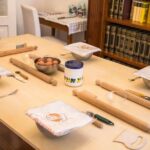
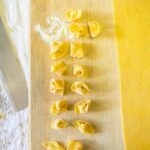
Fresh pasta at a kitchen table. In Turin’s Piedmont region, this hands-on class teaches you to roll sfoglia by hand and then make a classic tiramisu you’ll actually taste at the end.
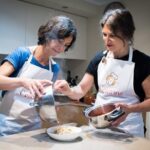
What I love most is the home-cook feel: you learn in a real local kitchen, with the host guiding you like they’re feeding family. The other big win is that you don’t just watch—you make, taste, and eat with an Italian aperitivo in the middle of it all.
One thing to consider: the experience happens in a private home, so you won’t get the full address until after you book (and it’s not suitable for wheelchair users). That’s the trade for the cozy, local setting.
In This Review
- Key Things to Know Before You Go
- Turin’s Piedmont Pasta Culture Starts in Someone’s Kitchen
- Cesarine Home Cooks: Why This Feels Local, Not Staged
- Fresh Pasta Sfoglia: The Rolling Lesson You’ll Remember
- Two Pasta Types From Scratch: Simple, But Not Basic
- Tiramisu in a Real-World Kitchen: Layers With Purpose
- Aperitivo Break: Prosecco and Nibbles Before You Eat
- What You Actually Get to Eat (And Why It Matters)
- Hosts Like Jenni, Barbara, and Bernadetta Make the Night
- Languages and Pace: English Support, Italian Craft
- Price in Context: What $146.14 Covers
- Logistics Without the Headache: Address and Timing Reality Check
- Who This Class Is Best For
- Should You Book This Turin Pasta and Tiramisu Cooking Class?
- FAQ
- Where does the cooking class take place?
- What dishes will I learn to make?
- How long is the experience?
- What’s included in the price?
- Is the class taught in English?
- What if I have food intolerance or allergies?
- Is it accessible for wheelchair users?
Key Things to Know Before You Go
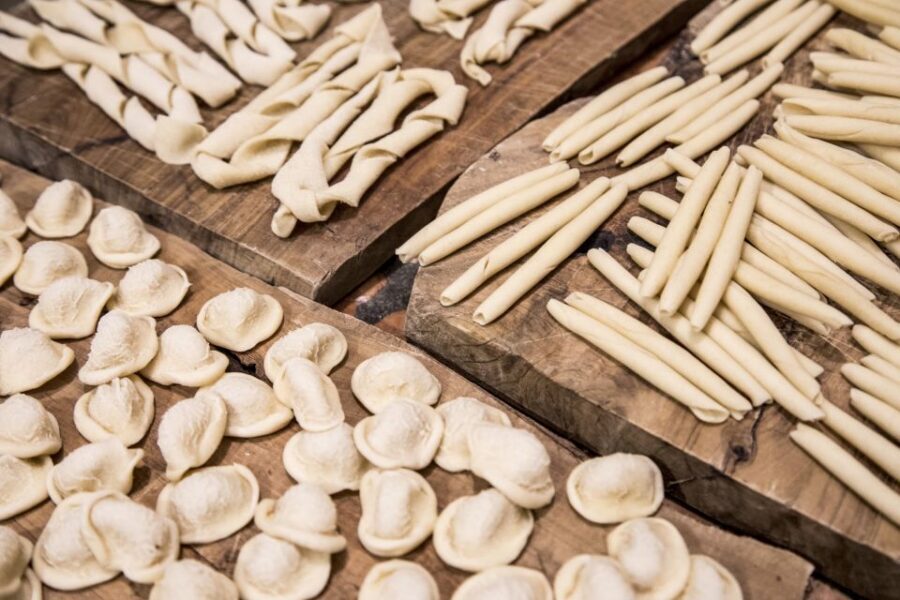
- Sfoglia by hand: you learn the rolling technique, not just the recipe
- Two pasta types from scratch: you build flavor from the basics
- Tiramisu workshop: the iconic dessert comes with practical steps
- Italian aperitivo setup: prosecco and nibbles help you warm up
- Real home-cook hosts: Cesarine matches you with an English-speaking local
- Taste what you make: you end up with a proper food payoff
Turin’s Piedmont Pasta Culture Starts in Someone’s Kitchen
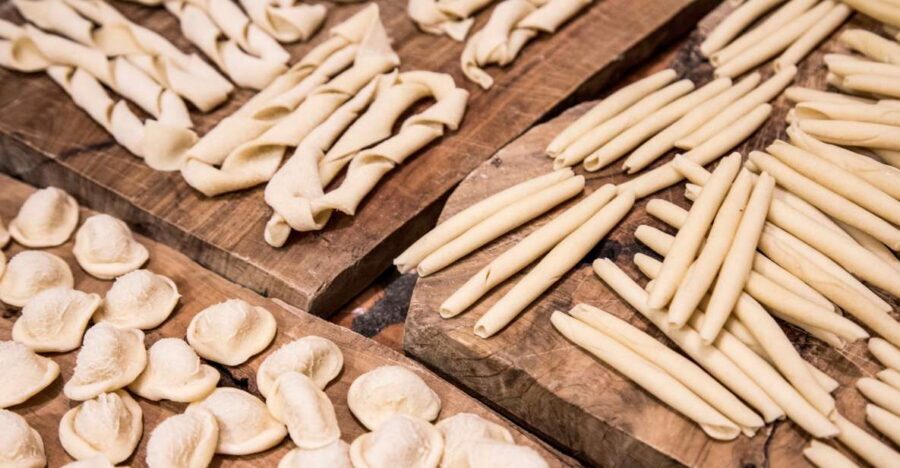
Turin sits in Piedmont, and that matters because pasta here is less about tourist showmanship and more about daily comfort food turned into craft. This class puts you right where that craft happens: in a local home, at a real table, with real ingredients and a host who cares about how it should feel.
If you’ve ever tried to copy Italian recipes at home and wondered why they taste different, this kind of lesson helps you fix that. You’ll learn technique and timing, especially with fresh pasta. And you’ll finish with tiramisu, which is one of those desserts that looks simple until someone shows you how to assemble it properly.
Other cooking classes and culinary experiences in Turin
Cesarine Home Cooks: Why This Feels Local, Not Staged
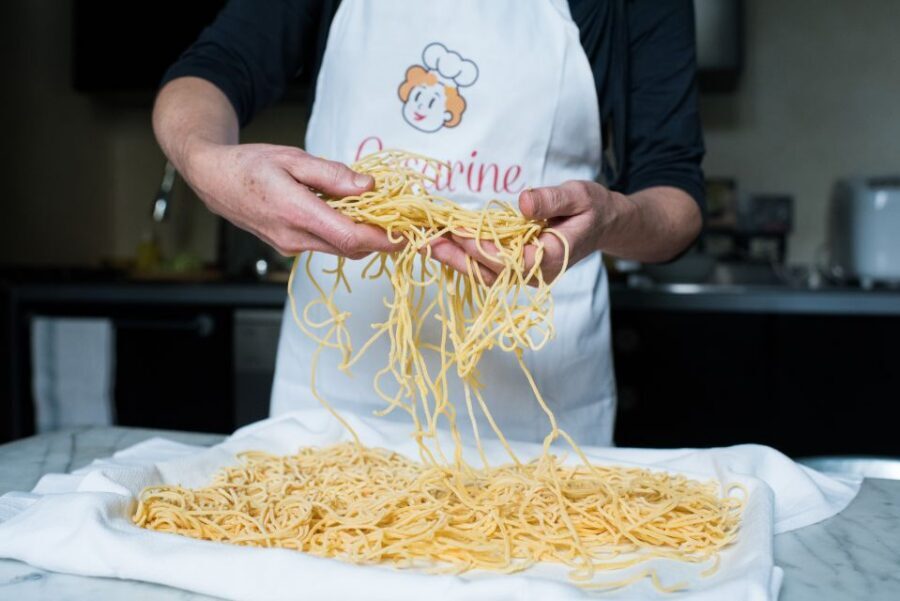
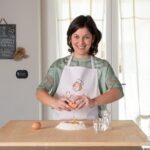
This is run by Cesarine, an Italy-wide network of home cooks available in 500+ cities. The core idea is straightforward: the host opens their own home and uses their family-style knowledge, not a production-line kitchen.
I like this model for two reasons. First, it naturally shifts the focus from the dish to the people—your host can explain what they learned at home and why they do it that way. Second, the organization makes it easier for you to travel without guessing: there’s an English-speaking instructor presence, and you’re matched to a cook.
You’ll also see how family cooking culture gets represented through what the host teaches. The Cesarine concept is based on local specialties from family cookbooks, so the evening isn’t just pasta and dessert. It’s a story of regional Italian cooking done in a personal way.
Fresh Pasta Sfoglia: The Rolling Lesson You’ll Remember
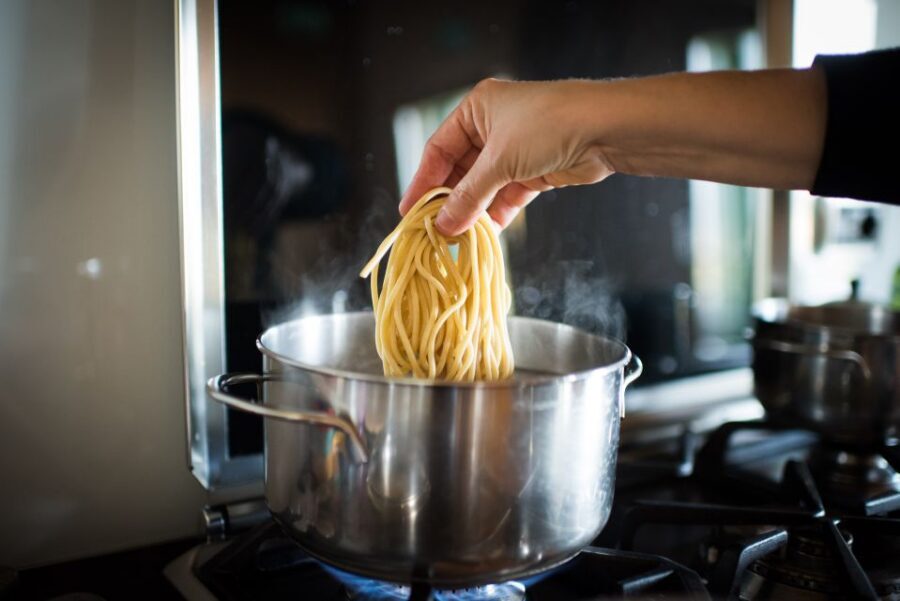
The heart of the evening is making fresh pasta. You’ll learn how to roll sfoglia by hand, which is more than a skill flex. It’s the part that changes the final bite—how thin it is, how it drapes, and how it holds sauce.
In practical terms, expect to work the dough and practice rolling until you get to the right thickness. Your host will guide you step-by-step, and because it’s in their home, they can correct technique quickly. That matters, because fresh pasta can go from perfect to too thick or too fragile if you’re rushing.
Also, you’re not just learning a method for one dish. Sfoglia is the foundation for what comes next. If you want to take home more than a recipe card, this is the moment to pay attention.
Two Pasta Types From Scratch: Simple, But Not Basic
After the sfoglia lesson, you’ll prepare two simple different kinds of pasta from scratch. The exact pasta shapes aren’t listed here, so I won’t guess—but you can trust the structure: you’ll work through the process from dough to finished pasta, guided by your host.
This part is valuable because it builds confidence. You’ll learn how to handle dough, how to shape, and how to keep your work consistent. Even if you’re a beginner, you’re not stuck doing only one tiny task. The goal is for you to leave knowing how to make two pasta preparations, not just how to follow one.
And because you’ll have tasting time at the end, you’ll also get feedback from your own effort. You’ll see what texture works, what sauce behavior to expect, and how small choices affect the final result.
Tiramisu in a Real-World Kitchen: Layers With Purpose
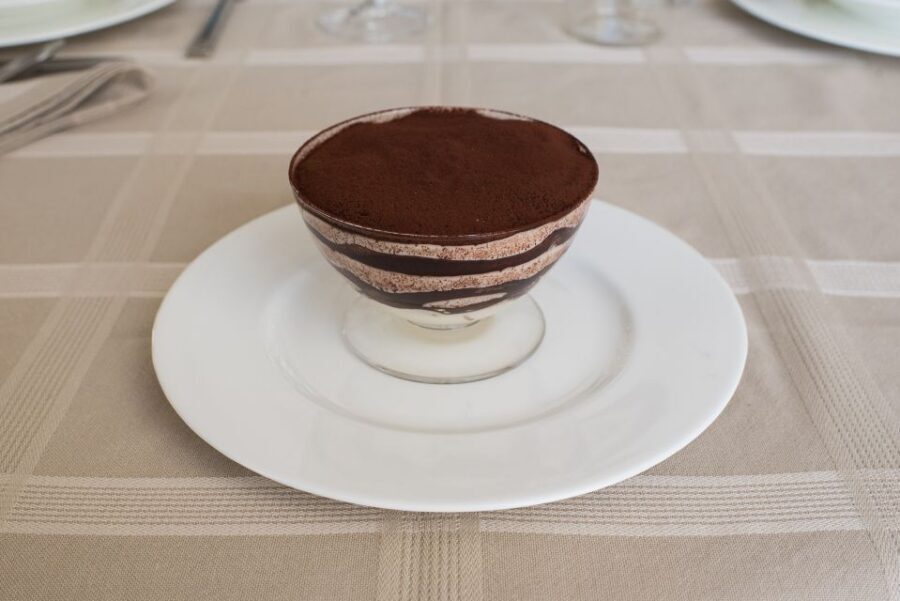
Then comes tiramisu—the iconic Italian dessert that’s both comforting and a little intimidating if you’ve only seen it in restaurants. In this class, you’ll learn how to prepare tiramisu as the icing on the cake, with guidance from your host.
The key value here is learning the assembly logic. Tiramisu isn’t only about flavor; it’s about how the layers behave together—cream texture, coffee soak timing, and the balance of sweetness. In a home kitchen lesson, you get the chance to ask questions and correct your approach while you’re still making it.
I also like that this isn’t treated like an afterthought. It’s given real teaching time, and you’ll taste what you make as part of the included experience. That turns tiramisu from a photo opportunity into an actual skill.
Other cooking classes in Turin
Aperitivo Break: Prosecco and Nibbles Before You Eat
You start with an Italian aperitivo to warm up—prosecco and nibbles are included. This is a smart pacing choice. By the time you sit down to cook, you’re already in the Italian rhythm: sip something light, snack a bit, then focus.
It also helps socially. In small home settings, everyone tends to get comfortable fast. The reviews strongly point to that friendly tone, and you can feel how aperitivo makes conversation easier before the flour starts flying.
If you’re the kind of traveler who doesn’t want a rigid, classroom vibe, this is one of the reasons the evening works well. It’s structured, but it still feels like a shared meal.
What You Actually Get to Eat (And Why It Matters)
Inclusions are clear and practical:
- beverages like water, wines, and coffee
- prosecco and nibbles as aperitivo
- the pasta-making and tiramisu-making class
- tasting of the pasta recipes and tiramisu
This matters because you’re not paying just for instruction. You’re paying for a full food experience where you’ll eat what you make. That’s especially important with pasta and dessert, where the best way to learn is tasting the outcome right after cooking.
And it’s also a morale boost. Fresh pasta work can be hands-on and a bit physical. Knowing there’s a tasting at the end keeps you motivated while you learn technique.
Hosts Like Jenni, Barbara, and Bernadetta Make the Night
The biggest praise here is about the hosts. People mention feeling instantly comfortable in the host’s home, and that warmth shows up again and again.
I’ve noticed three specific examples in the feedback that tell you what to expect:
- Jenni and her husband were described as making guests feel immediately at home in their beautiful house.
- Barbara was praised for being welcoming and kind, and for accommodating requests tied to a daughter’s birthday.
- Bernadetta was described as giving a simple, outstanding cooking experience, with an emphasis on how smoothly the lesson runs.
You shouldn’t expect a scripted performance. What you’re looking for is a calm, friendly teacher who explains while you work. If you want an evening that feels personal and not transactional, this type of home-cook hosting is the main draw.
Languages and Pace: English Support, Italian Craft
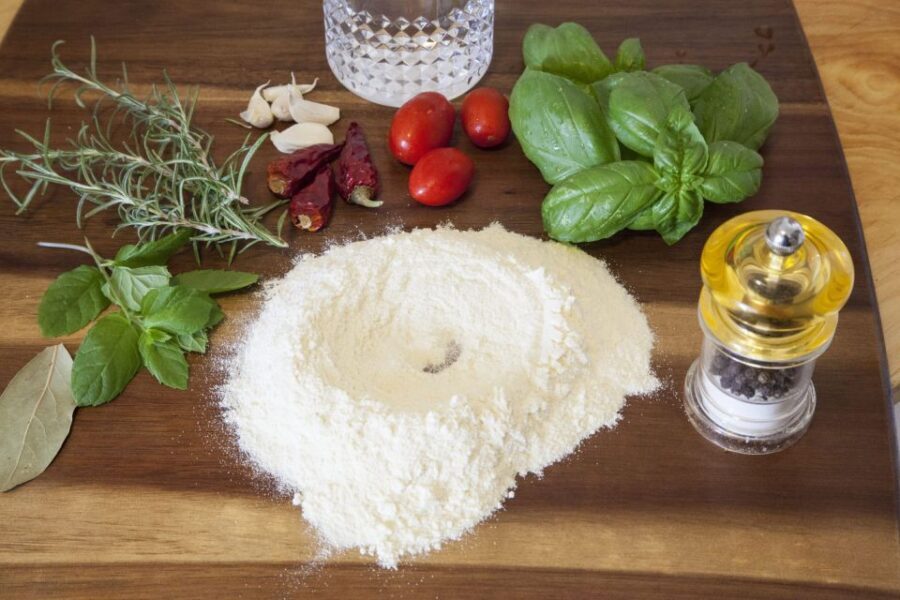
The instructor is Italian and English, so you’ll be able to follow along even if your Italian is basic. The lesson is built around doing, which helps language barriers too. You learn by watching hands, repeating steps, and getting corrections in the moment.
The duration is 3 hours. That’s long enough to:
- practice sfoglia rolling
- make two different pasta types from scratch
- learn tiramisu steps
- enjoy aperitivo and tastings
So the pace is realistic, not rushed. You get time to make mistakes and fix them, which is exactly how you learn pasta dough.
Price in Context: What $146.14 Covers
At $146.14 per person, you’re paying for something you can’t replicate easily on your own: a private-home cooking lesson with wine/prosecco included, plus ingredients, taxes, and a guided tasting.
Compared to a basic cooking demo, the value is higher because:
- you actively make pasta dough and shapes
- you learn two pasta types and tiramisu
- you get to eat the results you produce
- beverages (including wines/coffee) are included
Compared to doing it with friends at home, the value depends on your setup. If you don’t already have ingredients, time, and confidence with fresh pasta, paying a host is often the faster and more fun route.
In short: this is a fair price if your goal is to leave with technique, not just a meal.
Logistics Without the Headache: Address and Timing Reality Check
Because the class is in a private home, you receive the full address only after booking. That helps keep the experience personal, but you should plan for a quick message or update once your booking is confirmed.
Also, the class runs at set times (starting times depend on availability). If you’re tight on your day schedule in Turin, check your preferred start time early so you’re not stuck with an awkward slot.
And yes, this isn’t designed for wheelchair users. If mobility is an issue, plan accordingly.
Who This Class Is Best For
Book this if:
- you want to learn fresh pasta technique, especially sfoglia
- you like hands-on lessons over just eating at a restaurant
- you want a local home-cook experience in Turin, not a cooking show
- you’re excited about making tiramisu with real guidance
You might skip it if:
- you only want a quick bite and don’t want to cook
- you’re traveling with mobility constraints that won’t work in a home setting
For couples, solo travelers who like conversation, and families celebrating birthdays, the home-host tone is a big plus.
Should You Book This Turin Pasta and Tiramisu Cooking Class?
I’d book it if your trip to Piedmont includes at least one night where you learn something real and eat well without hunting for reservations. The combination of hand-rolled sfoglia, two pasta creations from scratch, and tiramisu makes it feel complete. Add in the aperitivo and tastings, and you get a full evening rather than a short workshop.
The strongest reason to choose it is the home-cook hospitality—hosts like Jenni, Barbara, and Bernadetta are repeatedly noted for being welcoming and making people comfortable, even when it’s a special occasion.
If you’re looking for the simplest way to get authentic Italian food skills in Turin, this is a solid bet.
FAQ
Where does the cooking class take place?
It’s held in a local’s home in Turin. For privacy, you receive the full address after you book.
What dishes will I learn to make?
You’ll learn to roll fresh pasta sfoglia by hand, prepare two different kinds of pasta from scratch, and make tiramisu.
How long is the experience?
It lasts 3 hours.
What’s included in the price?
It includes beverages (water, wines, coffee), an Italian aperitivo with prosecco and nibbles, the pasta and tiramisu class, local taxes, and tastings of the pasta recipes and tiramisu.
Is the class taught in English?
Yes. The instructor teaches in Italian and English.
What if I have food intolerance or allergies?
You’ll be asked for information about food intolerance and allergies when booking (or by email). They use that to match you with the right home cook.
Is it accessible for wheelchair users?
No. It is not suitable for wheelchair users.