REVIEW · TURIN
Chocolate & Sweets of Turin: La Dolce Vita Torino | Semi-Private
Book on Viator →Operated by I Eat Food Tours Turin · Bookable on Viator
Turin tastes like dessert. This semi-private La Dolce Vita Torino walk pairs classic chocolatiers with the famous Bicerin coffee-drink moment and local stories as you move through the historic center.
What I like most is how the tour ties gianduja to Turin’s hazelnut roots, then turns that into a tasting path through pralines and chocolate gelato. I also like the small group setup (up to 6–8, never huge), which keeps the pace relaxed and makes it easier to ask questions.
One drawback to plan around: if you have severe gluten or lactose limits (or other allergies), this isn’t the safest bet, since cross-contact is possible and alternatives aren’t guaranteed.
In This Review
- Key highlights worth planning around
- Chocolate & Sweets of Turin: why this tour fits Turin so well
- How the 2.5 hours usually feels (and why the group size matters)
- What you actually taste: gianduja, pralines, and chocolate gelato
- Nutty beginnings: gianduja and Turin’s hazelnut story
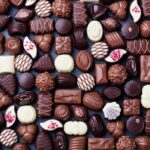
- Praline paradise: miniature craft in a bite-sized format
- Choco-gelato bliss: why chocolate gelato feels different
- The Bicerin payoff: espresso-chocolate-cream in one iconic drink
- How the guide shapes the experience (not just the sweets)
- Price and value: is $95.34 worth it
- Logistics that actually affect your comfort
- Who should book this Torino chocolate walk
- When you should skip or choose a different option
- Should you book Chocolate & Sweets of Turin: La Dolce Vita Torino (Semi-Private)?
- FAQ
- How long is the semi-private chocolate and sweets tour in Turin?
- How much walking is involved?
- What classic drink do I get to try?
- Is this tour offered in English?
- What’s included in the tastings?
- Is it safe for people with gluten or lactose allergies?
Key highlights worth planning around
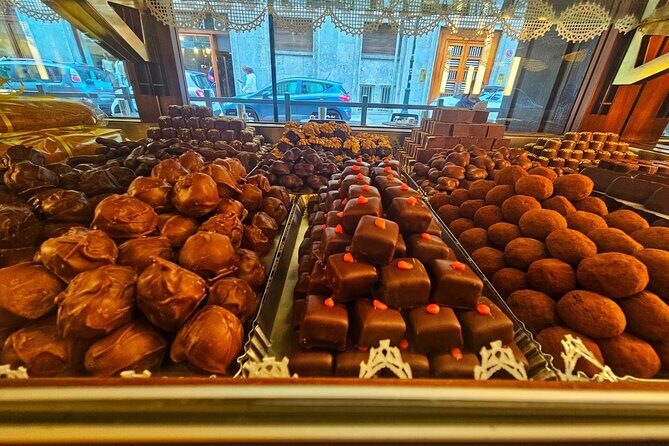
- Gianduja origins via hazelnuts: you learn how a chocolate shortage helped shape a signature Turin flavor.
- Praline stop, done properly: small, artful tastings instead of a single bland sample.
- Chocolate gelato included: you try an exclusive chocolate gelato experience and get the why behind the creaminess.
- Bicerin is part of the route: a classic espresso + chocolate + cream drink that’s hard to replicate on your own.
- Short walk, lots of eating: only up to about 1.2 km on foot, built around tastings and stories.
- English-friendly with flexibility: the tour is offered in English, and your guide may use both English and Italian.
Chocolate & Sweets of Turin: why this tour fits Turin so well
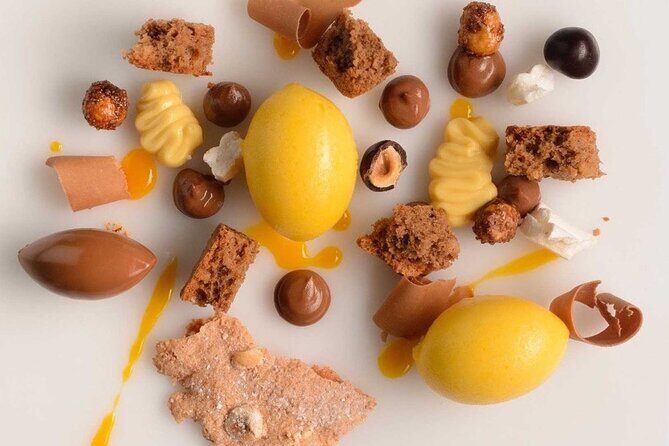
Turin has a reputation for chocolate and coffee, but this tour makes that reputation practical. You’re not just browsing shops from the street—you’re tasting a planned sequence of sweets while a local foodie connects each bite to why it exists in Turin. That matters, because chocolate in Italy is rarely an accident. It’s usually a story of ingredients, trade, and tradition.
What also works is the focus on classic Turin forms: hazelnut-based chocolate (gianduja), pralines as miniature craft pieces, gelato made for texture, and Bicerin as the city’s drinkable dessert. If your goal is to understand the local chocolate language fast, this format gives you a crash course without turning into a lecture.
At 2 hours 30 minutes, the time is long enough to matter but short enough to stay flexible. You can do it early in a trip to get oriented, then return later to buy what you actually loved.
Other chocolate tours and tastings in Turin

How the 2.5 hours usually feels (and why the group size matters)
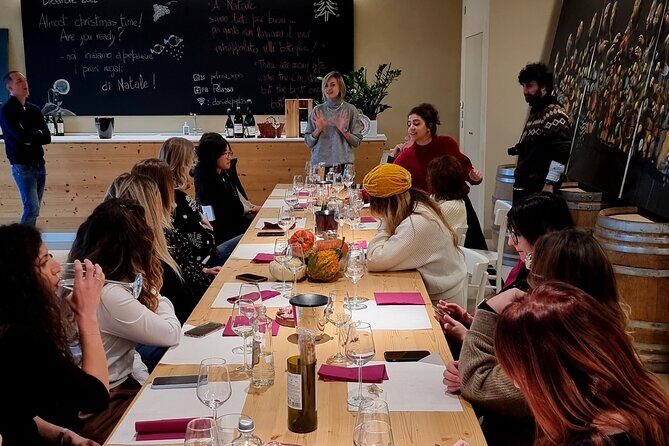
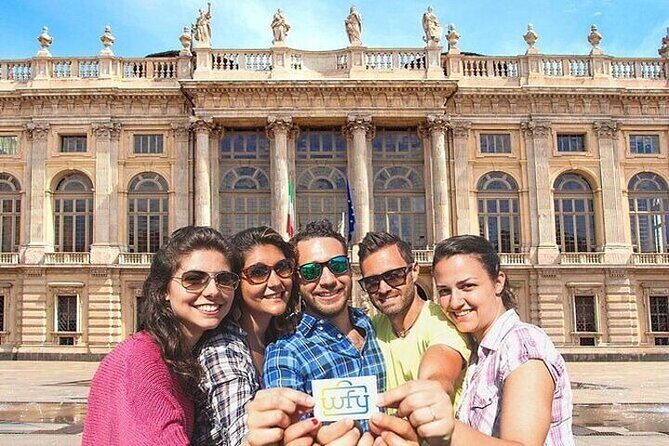
This is set up as a semi-private experience with a maximum of 8 people (and often 6–8). That size is a big deal in food tours. In a small group, you get room for questions, pacing adjusts when someone wants to linger, and the guide can keep track of what each person is eating.
The walk itself is light: about 1.2 km max. In other words, you’re moving through the historic center, but the structure is built around tasting stops. Those stops function like natural breaks, so you’re not trudging between locations with no payoff.
You’ll also have a mobile ticket, and the tour meets in Turin’s historic center. The exact starting address is sent about 24 hours prior. If you’re trying to fit this into a busy schedule, that advance message helps you reduce guesswork.
What you actually taste: gianduja, pralines, and chocolate gelato
The menu is built to teach your palate as you go. You’re not randomly sampling. Each item answers a question: what makes Turin chocolate taste like Turin?
Nutty beginnings: gianduja and Turin’s hazelnut story
The tour starts with a hazelnut-flavored lesson centered on gianduja—the iconic Turin creation made possible by innovation during a chocolate shortage. Even if you’ve heard of gianduja before, this kind of origin story changes how you taste it. Instead of thinking, Nutty chocolate, you start noticing the balance: hazelnut sweetness, chocolate depth, and the way the flavor lands more smoothly than you’d expect from a single-note dessert.
If you’re the type who likes understanding what you’re buying, this stop is the anchor. It helps you recognize what you’re looking for at later shops, so your shopping becomes smarter.
Praline paradise: miniature craft in a bite-sized format
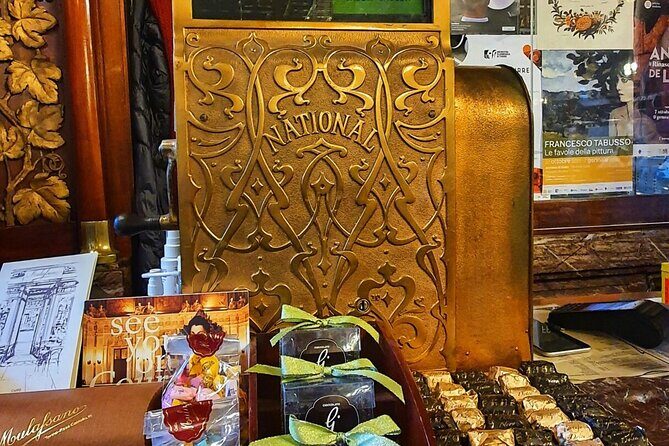
Next comes pralines, described as miniature masterpieces. The practical value here is repetition and comparison. Pralines let you taste texture and fill differences without the commitment of a full pastry. You learn how Turin chocolatiers treat flavor layering at small scale—think of it as tasting a whole philosophy in a few pieces.
A bonus: pralines are ideal if you’re traveling with family or trying to please different tastes. You can often find something that works even for people who don’t usually order chocolate bars.
Other food tours and tastings in Turin


Choco-gelato bliss: why chocolate gelato feels different
Then you get an artisanal chocolate gelato moment, with an emphasis on how to create the creamiest, most luscious version. Gelato is where many chocolate tourists either get it right or get disappointed. Ice cream can be icy or flat; chocolate gelato should taste round and thick, not watery. This stop gives you a chance to experience that difference in a guided way, so you know what to look for later when you’re on your own.
If gelato is a big part of your Turin plans, this tasting is a helpful baseline. After this, you’ll be able to tell whether a random shop is offering chocolate-flavored sweetness or real chocolate character.
The Bicerin payoff: espresso-chocolate-cream in one iconic drink
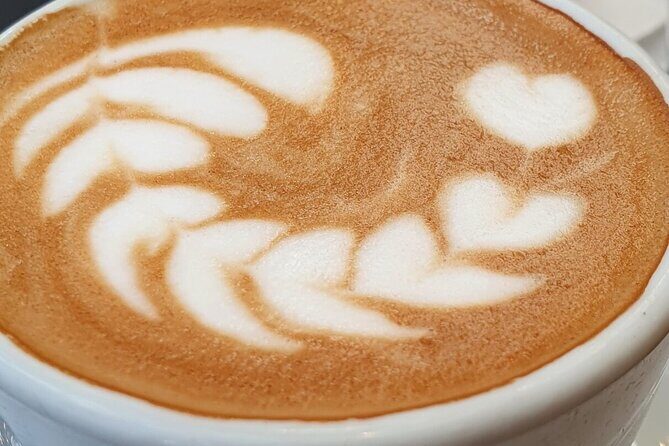
One of the most anticipated parts is the Bicerin, a drink native to Torino that combines coffee, chocolate, and cream. It’s a perfect finale because it ties the tour’s two themes—chocolate and coffee—into a single signature.
Why this matters for you: Bicerin isn’t just another hot chocolate. The espresso component changes the whole structure. You’ll feel the bitterness and roasted aroma first, then the chocolate depth, then the cream smoothing everything out. It’s the kind of drink you’ll remember later, because it doesn’t taste like a copycat version.
If you’re hoping to bring home a Turin food souvenir that isn’t only sweets, Bicerin is the one. It’s also a strong option if you’re thinking of doing a second gelato or dessert stop afterward, because it gives you a different flavor category instead of stacking the same thing twice.
How the guide shapes the experience (not just the sweets)
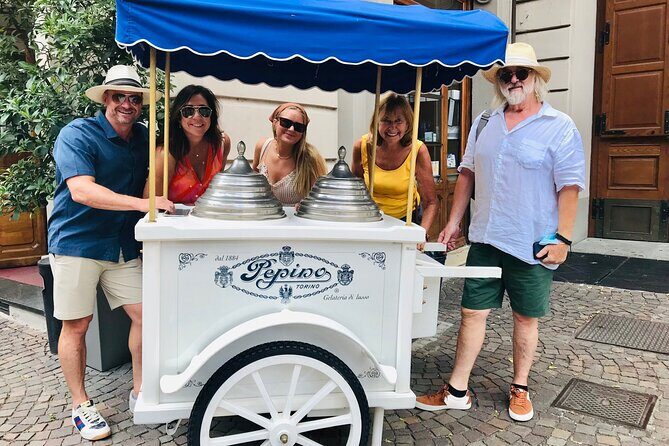
This tour is led by a local foodie storyteller, and the guide is a major reason it performs so well. Many people highlight how the guide turns facts into stories while keeping the mood friendly and fun. In the materials, a guide may be a multi-lingual culinary specialist, and your guide may conduct the tour in both English and Italian.
A name that comes up often is Cecilia. People associate her with bright energy, a warm welcome, and strong connections with the shops involved—enough that tastings can feel more special than a standard walk-in.
This matters because chocolate history can get dry fast if the guide treats it like a textbook. Here, the stories are tied directly to what you’re eating: shortages, ingredients like hazelnuts, and the craft behind pralines and gelato. That approach makes the learning feel like part of the meal, not homework.
Price and value: is $95.34 worth it
At $95.34 per person for about 2.5 hours, you’re paying for more than “a few sweets.” You’re paying for:
- multiple tastings across different chocolate and coffee styles,
- inclusion of coffee specialty native to Turin,
- artisanal gelato plus chocolates and pralines,
- and a local guide who connects the dots while you walk.
Here’s how I’d think about value if you’re budgeting. If you tried to recreate this on your own, you’d still need to plan the stops, find places that do high-quality gianduja, gelato, and pralines, and then coordinate a drink like Bicerin. You’d spend time figuring it out, and you might miss the “why” behind what you’re ordering. Paying for the guide and the tasting structure buys you speed and confidence.
Also, the semi-private group size helps justify the price. You’re not paying for a big crowd shuffle where each person gets the same tiny sample and no time to ask questions.
If you love chocolate and coffee, this is the kind of tour that can save you money indirectly by preventing you from choosing the wrong shop or repeating the same type of sweet twice.
Logistics that actually affect your comfort
This is a short walking tour, but it still helps to show up prepared. The route stays in Turin’s historic center, so expect classic city-street conditions.
A few comfort and planning points from the tour details:
- Walking is small (up to about 1.2 km).
- It’s near public transportation, which is useful if you’re starting somewhere else in town.
- Mobile ticket is used, which makes check-in simpler.
- Service animals are allowed.
- The tour generally fits most people, but severe food restrictions are a concern.
If you want the best experience, arrive hungry in a smart way. People often recommend coming with an appetite because you’re eating through several stops, ending with Bicerin.
Who should book this Torino chocolate walk
This works best if you:
- want a guided introduction to Turin’s chocolate + coffee identity,
- like learning through tasting, not through a slideshow,
- prefer a smaller group pace (up to 8),
- are happy doing a little walking for a lot of food payoff.
It can also be a good family-friendly choice in practice, since the guide has a track record of keeping kids engaged while still covering meaningful context. If you’re traveling with someone who’s excited by sweets first and stories second, this format still satisfies both.
When you should skip or choose a different option
Avoid this tour if you have severe gluten or lactose needs, or other serious allergies. The tour notes that traces or cross-contamination are possible and alternatives may be offered but aren’t guaranteed, and some tastings may need to be skipped.
If your needs are mild, you can still consider booking, but I’d treat it like a “confirm in advance” situation. Send your dietary requirements at booking time, and plan a backup dessert plan that fits your restrictions.
Should you book Chocolate & Sweets of Turin: La Dolce Vita Torino (Semi-Private)?
If you’re chasing an efficient, tasty Turin intro, I’d book it. This tour gives you the core Turin chocolate experiences in a controlled walk: gianduja origins, pralines, chocolate gelato, and the signature Bicerin finish. It also has the right size for interaction, which is where many food tours either shine or fall flat.
Skip it only if dietary restrictions make the tasting format risky for you. Otherwise, it’s a strong pick for a first or second day in Turin, especially if you want a plan that ends with you feeling well-fed and better at ordering the right sweets later.
If your top priorities are coffee, chocolate craft, and understanding what makes Turin different, this is one of the more sensible ways to spend a half-day in town.
FAQ
How long is the semi-private chocolate and sweets tour in Turin?
It runs about 2 hours 30 minutes.
How much walking is involved?
The tour involves a small amount of walking, up to about 1.2 km max.
What classic drink do I get to try?
You get a coffee specialty native to Torino, including Bicerin, which blends espresso, chocolate, and cream.
Is this tour offered in English?
Yes, it’s offered in English. Your food ambassador may also conduct the tour in both English and Italian.
What’s included in the tastings?
You’ll get a selection of local sweets, including chocolates and pralines, plus artisanal gelato and a coffee specialty native to Torino.
Is it safe for people with gluten or lactose allergies?
It’s not recommended for guests with severe gluten, lactose, or other food allergies. Traces or cross-contamination are possible, and alternatives may be offered but are not guaranteed.