REVIEW · TURIN
The Turin Chocolate Tasting Experience
Book on Viator →Operated by Slow Travel Italia · Bookable on Viator
Chocolate and history share a short walk. This 90-minute experience strings together Turin classics and a focused tasting at a specialty chocolate shop, with an English-speaking guide guiding your way through both flavors and place. You start with a traditional coffee-and-chocolate drink (Bicerin or Marocchino), then move through iconic spots before hitting the real chocolate lineup.
What I like most is how the tour mixes coffee culture + chocolate craft instead of turning it into a sugar-only sprint. The other big win is the variety: you’ll taste traditional Gianduja (including giandujotto and cremino), plus premium dark chocolate made with Criollo cocoa, and you’ll finish with a Barolo Chinato pairing that actually makes sense. One thing to consider: the pace can feel a bit tight if you like lots of Q&A, since the schedule includes stops that keep the group moving.
In This Review
- Key Highlights That Make This Tasting Worth It
- Where the Experience Starts: Caffè Elena and Turin’s Chocolate-Coffee DNA
- Piazza Vittorio Veneto: A Quick, Useful Break From Pure Tasting
- Algostino & Demichelis: The Pharmacy Stop That Adds Turin Character
- Bistrot Turin: The Main Event With Gianduja, Criollo, and Barolo Chinato
- The Gianduja lineup: classic Turin chocolate comfort
- Premium dark chocolate made with Criollo cocoa
- The pairing that actually makes sense: Barolo Chinato
- A note on pacing and questions
- Price and Value: What You’re Paying For (and What You Get)
- Who This Tour Fits Best in Turin
- Dietary Needs and How to Get the Menu Adapted
- Practical Tips Before You Go (So You Don’t Miss the Best Bits)
- Should You Book This Turin Chocolate Tasting Experience?
Key Highlights That Make This Tasting Worth It
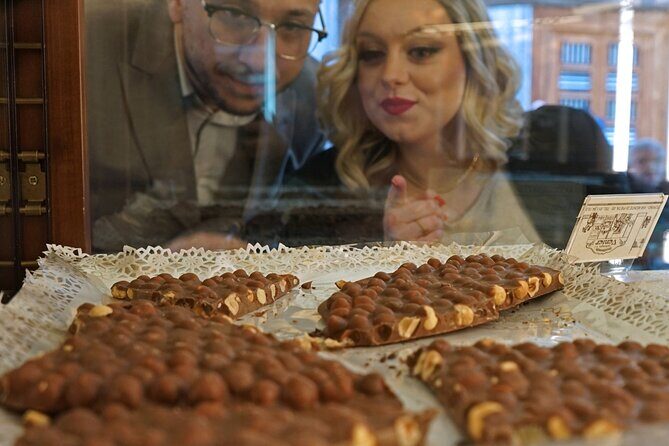
- Caffè Elena warm-up with Bicerin or Marocchino: you get the Turin coffee-and-chocolate combo before the shop tasting.
- A small group (up to 10) that keeps you close to the guide and the chocolate conversation.
- Multiple chocolate styles, including classic Gianduja and higher-end dark bars with Criollo cocoa.
- Barolo Chinato pairing: an aromatized wine matched to chocolate flavors, not just served as an add-on.
- Short historic detours: you pass through a major piazza area and a landmark pharmacy without turning it into a long sightseeing day.
Where the Experience Starts: Caffè Elena and Turin’s Chocolate-Coffee DNA
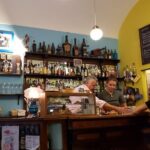
Caffè Elena sets the tone fast. This is a historic, prestigious patisserie where the air smells like freshly baked pastries and well-made sweets, and you can feel that it’s the kind of place locals treat as a tradition, not a tourist checkbox.
The key moment here is your tasting of Bicerin (or Marocchino). This drink is one of Turin’s signatures: think coffee and chocolate in a layered, traditional format. It’s a smart opening. It gets you tasting “like a local” before you even see the chocolates in bulk, and it gives your palate a baseline. If you’re the type who usually buys chocolate based on looks, this kind of start helps you taste what matters—balance, sweetness, cocoa depth, and how the coffee changes the perception of chocolate.
There’s also a simple practical advantage. This stop is short, and it doesn’t bog you down. You get in, taste, and learn just enough to make the later tasting make more sense.
Value note: you’re not paying for a generic “here’s some chocolate” moment. You’re paying for context—how Turin builds chocolate into everyday ritual.
Other chocolate tours and tastings in Turin
Piazza Vittorio Veneto: A Quick, Useful Break From Pure Tasting
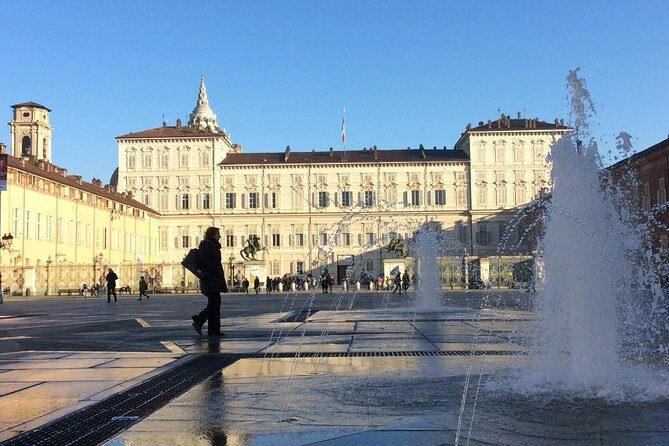
After the cafe, you step into Piazza Vittorio Veneto, one of the central Turin squares with Baroque buildings all around. This isn’t a long march through museums. It’s a short reset—ten minutes that helps you connect the tasting experience to the city itself.
At the center, you’ll see the equestrian statue of Emanuele Filiberto, Duke of Savoy, with twin churches nearby: San Carlo and Santa Cristina. The square is anchored by the Church of Gran Madre di Dio, and even with limited time, these landmarks make it clear you’re in one of Turin’s key civic spaces, not a side street set up only for food tours.
Why this stop matters for a chocolate tasting: chocolate can become a blur if you only taste with no breaks. A quick outdoor pause lets your senses cool down, and it also helps you focus when you return to sweetness. Plus, it’s a chance to understand the route and orientation of central Turin—handy if you plan to keep exploring after the tour ends.
One minor consideration: if you’re hoping for a deep architecture lesson, this is not that stop. It’s more about giving you “place” than giving you a full lecture.
Algostino & Demichelis: The Pharmacy Stop That Adds Turin Character
Next comes Algostino & Demichelis, known as one of the most ancient pharmacies in Torino. It’s a small stop, but it adds a layer of city texture that feels more real than another quick photo stop.
You’ll notice the sense of continuity: the opening of the pharmacy dates back to the construction of the square. That’s the kind of detail that makes a food tour feel less like a theme park and more like you’re walking through layers of normal life in the city.
This stop is brief—about five minutes—so don’t expect a long history tour inside. Still, it’s one of those “oh, that’s cool” moments that breaks up the tasting flow and gives you something Turin-specific beyond chocolate.
Bistrot Turin: The Main Event With Gianduja, Criollo, and Barolo Chinato
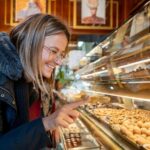
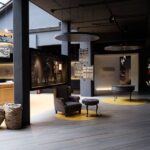
The real reason you book this tour comes at Bistrot Turin on Via Po. This is where you slow down and do the tasting the way it’s meant to be done: with a guide interpreting what you’re tasting, not just handing you bites and moving on.
The tasting portion runs about 50 minutes, and it’s more structured than you might expect for a sweet-focused tour. You’ll sample a few categories, and each one has a different personality on your tongue.
The Gianduja lineup: classic Turin chocolate comfort
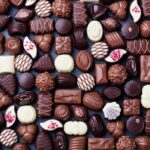
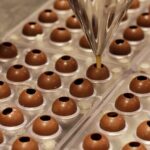
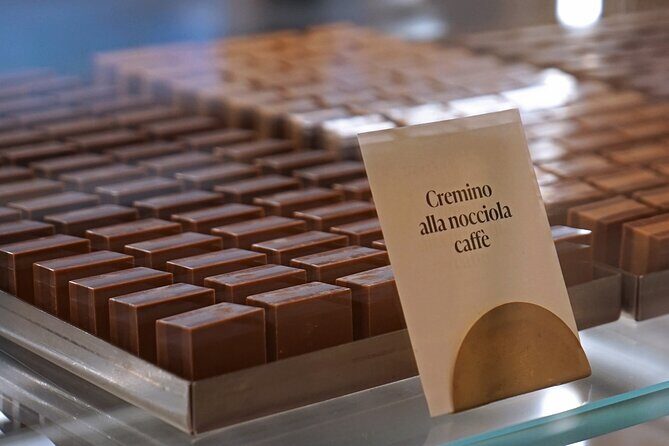
First up is the Turin heartland of chocolate: Gianduja. You’ll taste traditional varieties such as giandujotto and cremino, among others.
This is useful even if you think you already know what Gianduja is. The flavors can shift a lot depending on cocoa-to-nut balance, sweetness level, and texture. A guided tasting helps you pick up what you like and why—so the chocolate you buy after the tour doesn’t feel random.
If you’re a “tell me exactly what to order” traveler, this is a good moment to take notes in your head. By the end, you’ll usually have a clear winner.
Other food & drink experiences in Turin
Premium dark chocolate made with Criollo cocoa
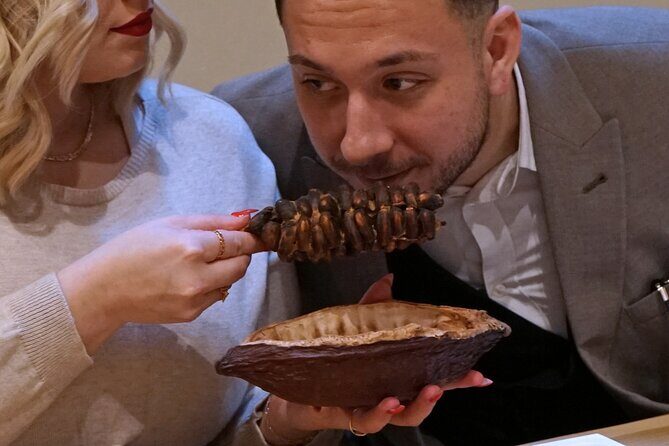
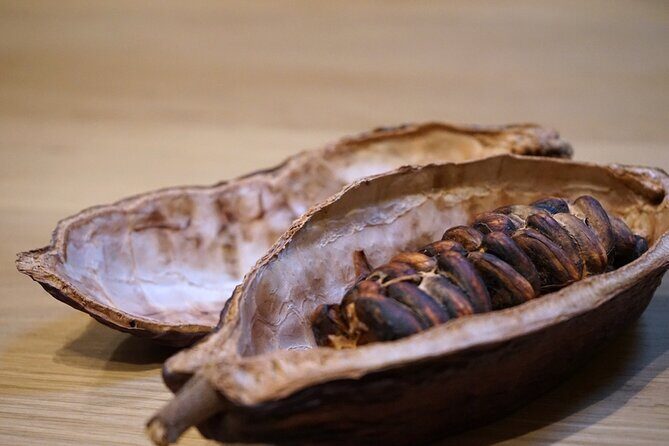
Then you move to premium dark chocolate bars made with aromatic cocoa called Criollo, from bean-to-bar style chocolatiers.
Criollo cocoa is known for a distinctive flavor profile compared with many other cocoa types. In practical terms for you: it tends to taste more nuanced than generic dark bars, so you’re not just chasing bitterness—you’re looking for aromatics and a smoother cocoa character.
This part is where chocolate lovers tend to perk up. The tasting is long enough to catch the differences rather than tasting everything and forgetting half of it.
The pairing that actually makes sense: Barolo Chinato
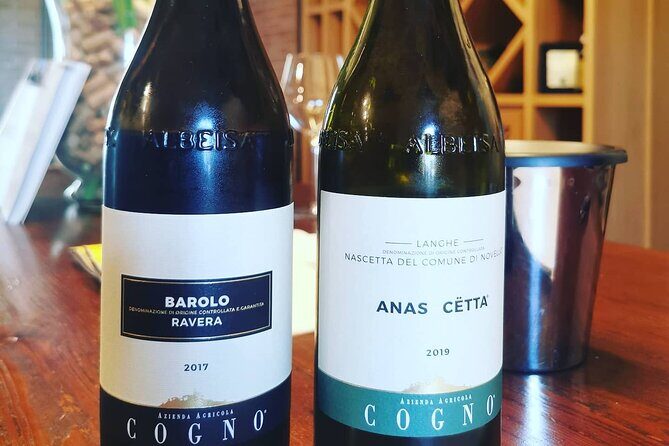
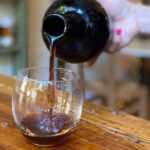
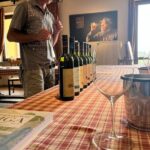
One of the smartest inclusions is the pairing with Barolo Chinato, an aromatized wine chosen because it fits chocolate well.
This is not a random alcohol add-on. Aromatized wines can mirror spice and aromatic notes in cocoa, and they can also soften how strong sweetness or bitterness feels. If you ever wondered why some pairings feel magical and others feel forced, this is a practical demonstration.
If you’re not a wine person, you’ll still likely enjoy it because the goal is pairing flavor, not “drink this because it’s wine.”
A note on pacing and questions
The tasting is the part with the most learning. Still, I’d plan for a pace that keeps the group moving. Some people find it rushed and want more time for questions. Others love how lively the talk is and how the guide explains nuance.
In particular, if your guide is Fabio, you may get the feeling that the guide treats the session like an experience instead of a scripted stop. That matters, because it changes the emotional tone of the tasting—more attentive, more interpretive.
If you want lots of back-and-forth, go in knowing you’ll probably get your question answered, but you may not get unlimited time. The operator schedules the day with a tight flow, and if someone in the group runs late, that can compress the window a bit.
Price and Value: What You’re Paying For (and What You Get)
At $51.66 per person, this doesn’t look like “just a cheap chocolate nibble.” It’s priced like a guided food experience in a city where central stops matter and specialty tasting costs money.
Here’s the value math in plain terms:
- You get more than an hour of chocolate tastings plus the structured tasting session at Bistrot Turin.
- You also get the Turin coffee-and-chocolate drink (Bicerin or Marocchino), which would cost you on your own.
- You’re tasting multiple categories—Gianduja staples and premium dark bars—with a guide explaining differences.
- The Barolo Chinato pairing is a real included item, not just a suggestion.
If you normally buy a couple of bars and call it a day, this tour is a better way to learn what you actually like. If you’re already a serious chocolate buyer with strict preferences, the guided tasting helps you focus your shopping without guessing.
The price is also more reasonable because the tour includes a short walk through historic, central Turin rather than being only inside a shop.
Who This Tour Fits Best in Turin
This experience works especially well if you’re:
- In Turin for a short time and want a high-impact food stop without losing an entire afternoon.
- A chocolate fan who likes to understand what makes one bar different from another.
- Someone who enjoys a mix of taste + light sightseeing (you get place-based context without a long day plan).
It’s also a good option for couples and solo travelers. With a group size capped at 10 travelers, it tends to feel manageable and not like you’re swallowed by a crowd.
If you’re the kind of traveler who loves slow museum pacing and long Q&A, you might find the schedule a little tight. If you’re sensitive to being asked about tips (not included in the price), be aware that the guide may request gratuity at the end.
Dietary Needs and How to Get the Menu Adapted
Good news for most people: there are vegetarian and lactose-free alternatives available. The key is to tell your local guide at the beginning so the tasting menu can be adapted for you.
That’s important. Many tours say they can handle dietary needs, but the tasting setup only works if you communicate early enough. Here, the structure is built around a tasting menu, so getting the adjustment right up front saves you from awkward substitutions later.
If you’re very specific about allergies, you should still mention it clearly when you meet. The tour provides dietary options, but your best results come from direct communication at the start.
Practical Tips Before You Go (So You Don’t Miss the Best Bits)
Here are a few simple ways to get the most out of the session:
- Arrive about 10 minutes early at Caffè Elena, so you’re not rushing into the first tasting.
- Go in curious, not picky. Chocolate tasting works best when you’re open to what you might not pick yourself.
- Pay attention during the pairing. The Barolo Chinato moment is short, but it’s one of the most memorable inclusions.
- Plan your shopping afterward. The tour ends at Bistrot Turin, and you can stay if you want to buy more chocolate.
Also, bring a small mindset shift: don’t treat this like a sprint. The guide’s explanations matter because they change how you taste.
Should You Book This Turin Chocolate Tasting Experience?
I’d book it if you want a compact, guided food experience that teaches you something about Turin chocolate, not just feeds you sugar. The mix of Gianduja classics, Criollo-based dark chocolate, and a real Barolo Chinato pairing gives you variety in a short window, and the coffee start helps you taste with more clarity.
Skip it or approach with open expectations if you:
- Hate fast pacing and want lots of time for questions.
- Strongly prefer not to be asked for a tip, since gratuity is not included.
- Expect a long sightseeing tour. This is short walks and focused tastings, not a full-day city tour.
If your goal is to leave with a better sense of what to buy—and why—this is a smart use of time in Turin. And if you’re lucky enough to have a guide who makes it feel like an actual chocolate experience (not just a scripted stop), you’ll come away remembering flavors, not just sweetness.