REVIEW · TURIN
The Turin Chocolate Tasting Experience
Book on GetYourGuide →Operated by Slow Travel · Bookable on GetYourGuide
Turin tastes better when you follow the chocolate trail. This experience gives you Bicerin in a historical café, then turns into a real lesson with Barolo Chinato paired to organic, bean-to-bar chocolates. What I like most is the mix of old-school Turin ritual plus modern chocolate craft, and the fact that you taste enough variety to actually learn what you prefer. The main drawback is straightforward: this tour isn’t suitable if you have a hazelnut allergy or intolerance.
You’ll also get a guided stroll through classic sights and “stop-and-look” photo moments, with porticoes that keep things comfortable if the weather turns. The small group size (up to 10) matters here because you can ask questions and get guidance on how to taste, not just what to taste.
Finally, part of the experience runs like a workshop. It’s helpful and hands-on, with air conditioning in summer, but it’s not just a quick walking snack stop, so plan for a focused 1.5-hour sweet session.
In This Review
- Key highlights worth planning for
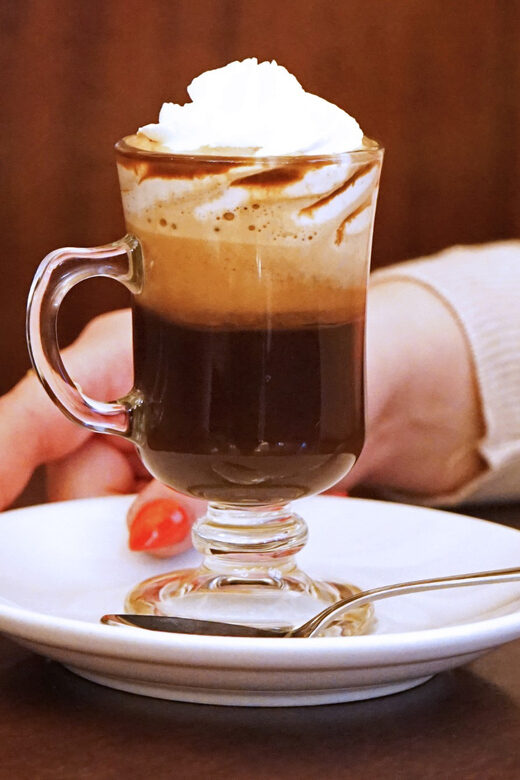
- Starting at Caffè Elena: Bicerin or Marocchino in Turin café culture
- The short walks that actually teach Turin: Vittorio Veneto to Gran Madre
- Hidden spots and a longer tasting break: where the real chocolate time starts
- The workshop-style chocolate lesson: organic, bean-to-bar, and process focused
- Gianduja in real life: giandujotto, cremino, and why Turin matters
- Six tastings, not six random bites: how to compare without getting overwhelmed
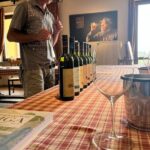
- Barolo Chinato pairing: sweet aromatized wine built for chocolate
- Price and value: what you’re paying for in $51 per person
- Who should book this Turin chocolate tasting (and who should skip)
- Should you book this Turin Chocolate Tasting Experience?
- FAQ
- Where is the meeting point?
- How long is the tour?
- What’s included in the tasting?
- Is the tour suitable for lactose intolerance?
- Is it safe if I have a hazelnut allergy or intolerance?
- Can I cancel for a full refund?
Key highlights worth planning for
- Caffè Elena start with Bicerin or Marocchino: a proper Turin café cup before the walking begins
- Multiple Gianduja styles: giandujotto, cremino, and more, with context about 19th-century Turin
- Organic bean-to-bar dark chocolate: you’ll taste premium dark bars made with fine cocoa
- Barolo Chinato pairing: sweet aromatized wine from the Barolo area, matched to chocolate
- Workshop-style chocolate lesson: you’ll learn the process while sampling
- Rain-friendly porticoes: walking segments are designed for comfort in bad weather
Starting at Caffè Elena: Bicerin or Marocchino in Turin café culture
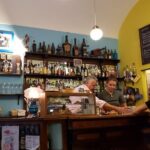
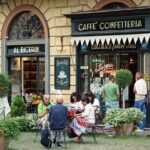
Your tour begins at Caffè Elena, right under the porches at Piazza Vittorio Veneto 5/B. This is one of the reasons the experience feels instantly Turin. You’re not starting at a random tasting room. You’re starting in a historical café setting where drinks and chocolate are part of the local rhythm.
You’ll have your first tasting right away: a cup of Bicerin (or Marocchino as the alternative). The key detail is that it’s served as the original tradition was consumed in 19th-century cafés. That matters because it changes the vibe. You’re not just sipping something sweet. You’re stepping into a long-running Turin habit of pairing coffee culture with chocolate craft.
If you don’t want coffee, the experience also offers a typical ice cream from the city as an alternative. For lactose needs, there are lactose-free alternatives available—just tell your guide at the start—so you’re not locked out if dairy is an issue.
How to make this stop work for you: take a small moment to notice the drink before you rush to the chocolate. This tasting sets your baseline for sweetness and aroma, and it helps when you move to the darker bars later.
Other chocolate tours and tastings in Turin

The short walks that actually teach Turin: Vittorio Veneto to Gran Madre
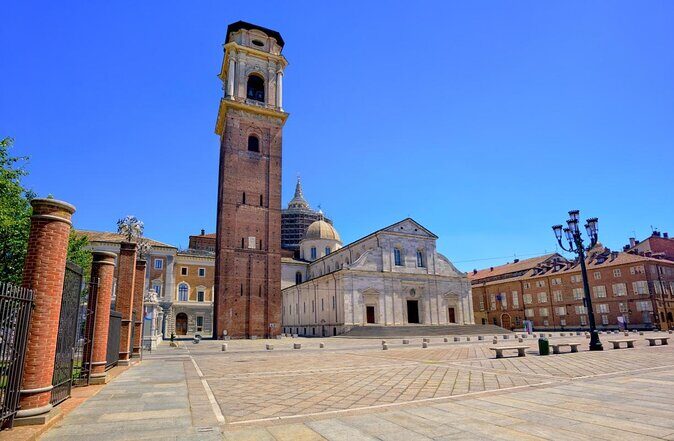
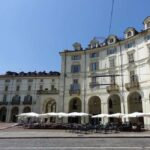
After the café cup, you switch from “sit and sip” to “walk and look.” The walking segments are short and built around easy sightseeing beats: Piazza Vittorio Veneto, a visit/pass by around Chiesa Parrocchiale della Gran Madre di Dio, and a few quick photo stops.
One practical bonus: this route runs under the porticoes, so it can handle rainy days without turning into a soaked scramble. That’s a real quality-of-life factor in a city where weather can change fast.
This is also where your guide connects Turin to Italian identity in a more practical way than a history lecture. The idea is that chocolate in this territory didn’t just happen because people liked sweets. Royal and noble families were involved in tastings early on, which helped chocolate specialties thrive. That theme keeps popping up again when you start tasting Gianduja and bean-to-bar dark chocolate.
What to expect on the street: you’re not doing marathon walking. You’re getting quick orientation points, plus a sense of place that makes the tasting feel earned rather than random.
Hidden spots and a longer tasting break: where the real chocolate time starts
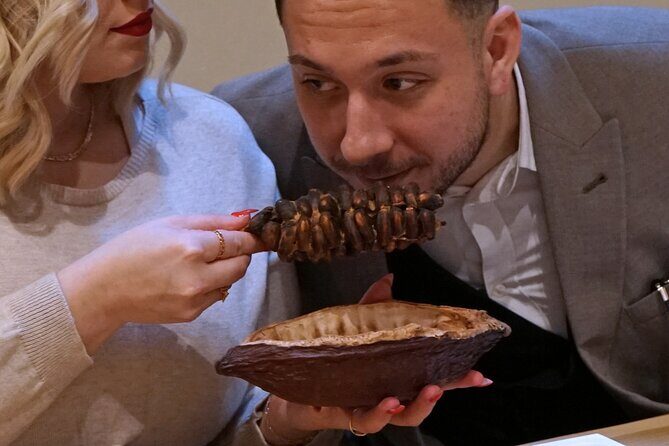
Between the sightseeing beats, you’ll pause at a “secret stop” and then move toward a longer “hidden gem” moment where the tasting lasts about 45 minutes. This is the part that slows down enough for learning.
Why it’s worth your attention: chocolate tastings work best when you’re not constantly on the move. A longer tasting window lets you compare flavors properly—sweetness level, cocoa depth, hazelnut presence, and how each product changes after a sip of wine later.
This stop is also where the experience starts shifting from drinking and tasting snacks into something closer to a lesson/workshop. You’ll learn while you taste, which is a better format than reading labels later.
Small-group advantage: with a group capped at 10, it’s easier for your guide to adjust pacing if you want to spend more time on the dark bars or ask about how something is made.
The workshop-style chocolate lesson: organic, bean-to-bar, and process focused
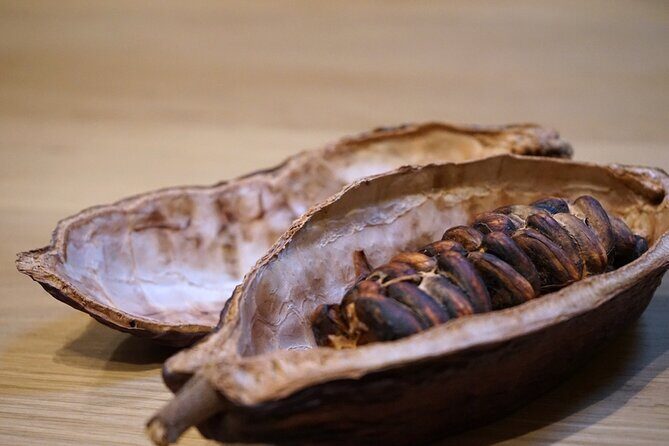
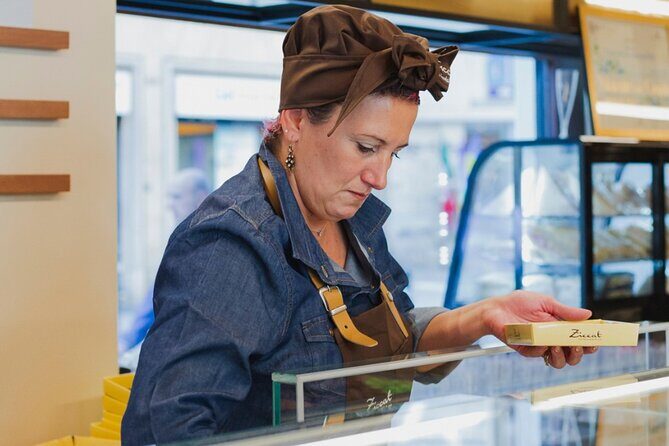
After the walking portion, you move on to a bistrot-style venue for one of the most interesting parts of the experience. Think of it as a lesson that you can taste.
Here’s what makes it different from a basic “here are samples” setup: you’re guided through the process behind the chocolates, with emphasis on bean-to-bar and organic products. The experience also highlights that the premium dark chocolate uses fine cocoa described as coming from the top 10% of global production, meaning you’re tasting a higher-end grade rather than generic supermarket bars.
During this workshop you’ll sample dark chocolate bars first, then continue through the traditional selections. That order helps you learn. Dark chocolate gives you cocoa structure and bitterness notes. Then the sweeter Gianduja styles land in a way that feels more understandable.
If the program includes a chocolate boutique stop, you may also run into a shop owner named Giovanni at Chocolate7, who is described as extremely generous with tastings and deep in chocolate knowledge. Even if your exact venue setup differs by day, the overall tone stays the same: you’re meant to ask questions and compare what’s in front of you.
A practical tasting tip: try not to chase every flavor at once. Pick one focus—like cocoa intensity or hazelnut creaminess—and keep that focus across multiple samples.
Gianduja in real life: giandujotto, cremino, and why Turin matters
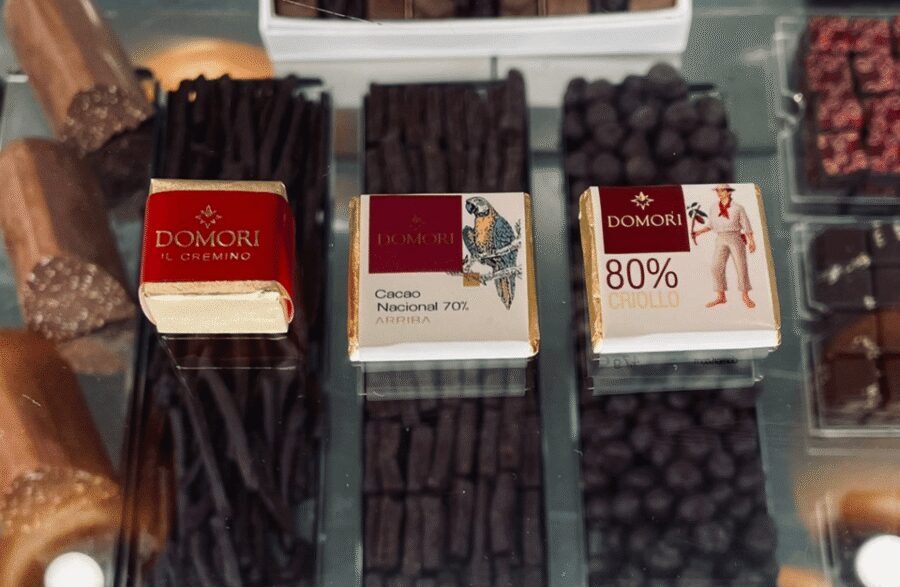
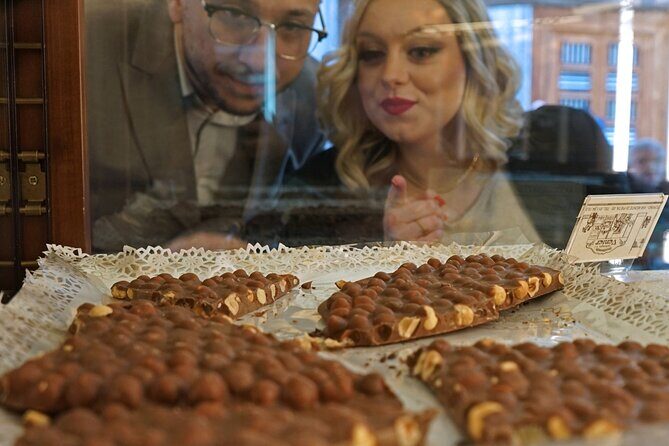
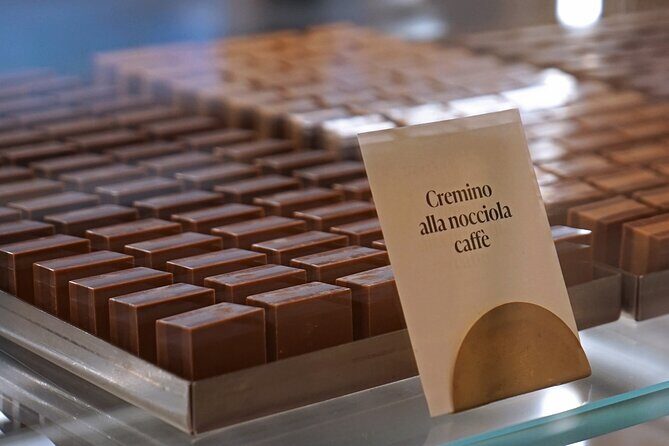
The heart of the Turin chocolate story is Gianduja, and you’ll taste multiple traditional forms. You’ll get a selection that includes giandujotto, cremino, and more. The guide explains what you’re tasting and why it’s Turin-specific.
Here’s the key detail you’ll learn: the name Gianduja connects to a recipe created by blending finely ground hazelnuts with chocolate. The result is smoother and more indulgent than straight cocoa bars. The history also comes through clearly. Gianduja traces back to 19th-century Turin when cocoa was scarce and expensive, so hazelnuts helped make chocolate available while keeping it luxurious.
That story matters because it gives meaning to the flavor. When you taste hazelnut-forward chocolate here, you’re tasting a practical solution that became a tradition.
Important note for planning: this is not a tour you should choose if you’re avoiding hazelnuts. The experience explicitly isn’t suitable for people allergic or intolerant to hazelnuts.
What I like about how they teach it: the guide doesn’t just say hazelnut and move on. You get stories and odds—small nuggets that make each piece of chocolate feel like part of a bigger local pattern.
Other food & drink experiences in Turin
Six tastings, not six random bites: how to compare without getting overwhelmed
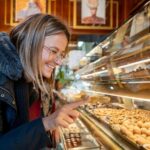
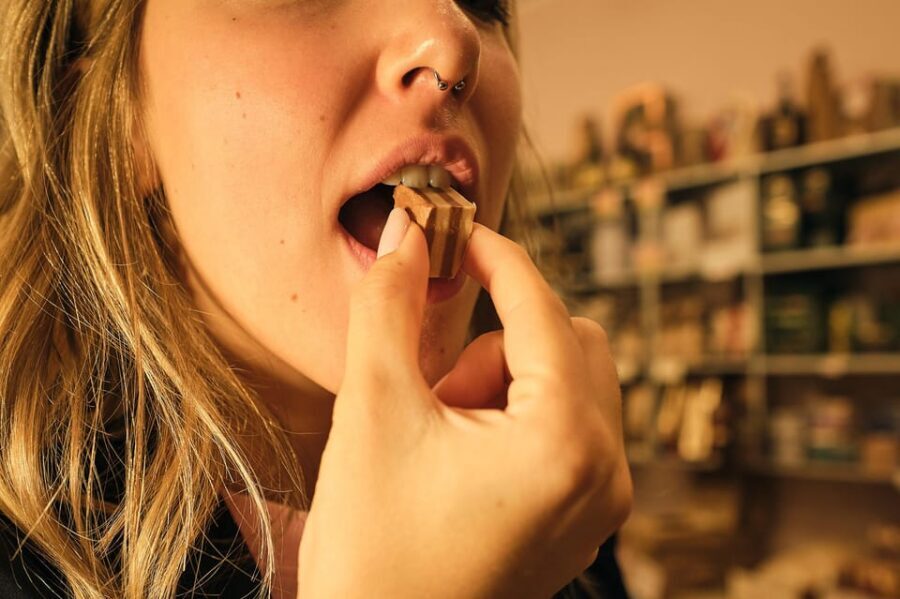
Across the experience, you’ll taste six different chocolates. You’ll also cover both traditional Gianduja varieties and premium dark, bean-to-bar bars. That mix is smart because it prevents the tasting from becoming one long hazelnut parade.
What makes this work as a learning experience is the contrast:
- Dark bars help you understand cocoa quality and strength
- Gianduja pieces show how hazelnuts soften and round out the chocolate
- The selection variety gives you enough range to identify what you truly enjoy
And in a small group, you can get more personalized input. Some guests highlight that the tasting can feel tailored to your likes, which makes sense because a guide can adjust the emphasis based on what you respond to.
If you’re going with a group: pick one person to be the “dark chocolate judge” and one to focus on the Gianduja styles. Then swap notes halfway through. It’s an easy way to keep everyone engaged without turning it into a competition.
Barolo Chinato pairing: sweet aromatized wine built for chocolate
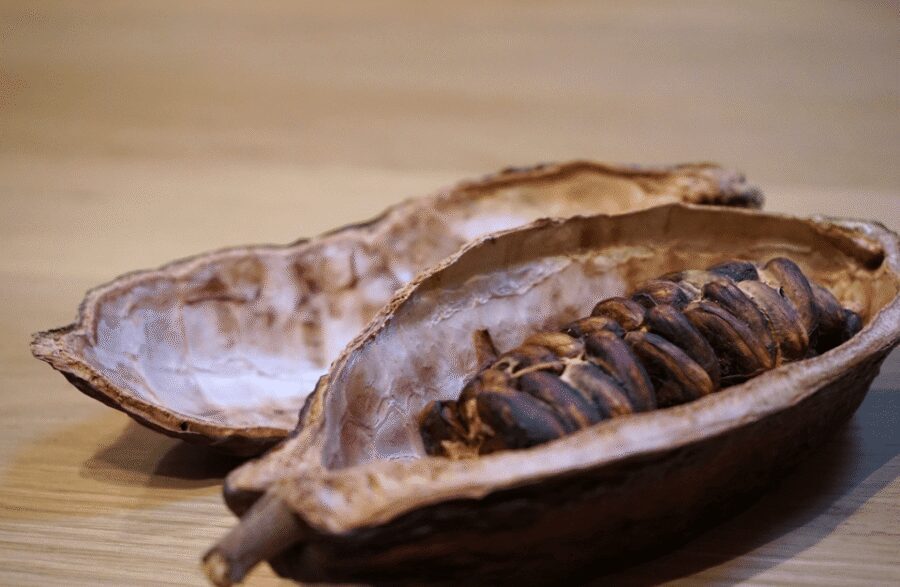
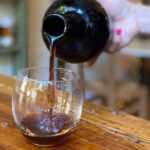
Then comes the pairing that ties everything together: Barolo Chinato with your chocolate tastings. You’ll learn what it is and why it works.
Barolo Chinato is an aromatized wine produced in the Barolo area of Piedmont, and the pairing is described as perfect for chocolate. Sweet wines can easily overpower desserts, but in this case the aromatics are the point—your chocolate needs an ally with flavor complexity, not just sugar.
How to taste the pairing: take a small sip first, then taste a chocolate bite. Wait a few seconds between bites. You’re looking for balance: whether the wine makes the cocoa taste deeper, or whether it amplifies sweetness in a good way.
Also, because the pairing is included, make sure it fits your comfort level. If alcohol is a concern for you, plan to mention it to the guide at the beginning; the tour data doesn’t state that wine can be swapped, so it’s better to ask early.
Price and value: what you’re paying for in $51 per person
At $51 per person for 1.5 hours, the value mostly comes from what’s included, not just the guiding.
You get:
- A cup of Bicerin or Marocchino (or typical ice cream as an alternative)
- Six different chocolates
- Gianduja selections and premium dark, bean-to-bar chocolates
- A Barolo Chinato sweet wine pairing
- More than one hour of live tour time with a local food expert
That’s a lot of “built-in” content. If you were to piece it together yourself—coffee in a historical café, then multiple tastings, then wine pairing—you’d end up paying for separate stops and planning time. Here, the guide handles the flow and the learning, and the small group keeps it from turning into a production line.
Is it expensive for a quick snack? Yes. Is it a solid buy for a guided, multi-tasting chocolate lesson in Turin with wine pairing? It’s priced like an experience, not a cookie-cutter demo.
Who should book this Turin chocolate tasting (and who should skip)
This tour is a strong fit if you want Turin in a sweet, focused way:
- Couples who like food experiences with a story
- Families with older kids who enjoy tasting (there’s a note about children who don’t want to take part in chocolate tasting)
- Small groups of friends who don’t want a giant tour crowd
- Anyone who likes comparing dark cocoa intensity with hazelnut-based traditions
You should skip it if:
- You have a hazelnut allergy or intolerance (not suitable)
- You’re expecting a fully outdoors walking-only tour (part of it is workshop-style)
A few comfort details help too:
- Rain days are workable because much of the route is under porticoes
- Lactose-free alternatives exist if you mention your needs at the beginning
- The workshop venue has air conditioning in summer
Should you book this Turin Chocolate Tasting Experience?
Book it if you want more than a dessert stop. You’ll get a real Turin identity story through chocolate: Bicerin first, then a guided tasting that moves into bean-to-bar, organic dark chocolate, followed by traditional Gianduja varieties, with a Barolo Chinato pairing that makes the flavors snap into focus.
Don’t book it if hazelnuts are off-limits for you. And if you hate structured tastings or prefer purely scenic wandering, this may feel too lesson-forward.
If you’re comfortable with the hazelnut ingredient, you’re in a very good place. This is the kind of Turin experience that leaves you with memories you can taste, not just photos.
FAQ
Where is the meeting point?
Meet the guide under the porches in front of Caffè Elena, at Piazza Vittorio Veneto 5/B.
How long is the tour?
The duration is 1.5 hours.
What’s included in the tasting?
You’ll taste six different chocolates, including Gianduja and dark bean-to-bar chocolates. You also get a cup of Bicerin or Marocchino coffee (or alternatively typical ice cream from the city) and a Barolo Chinato sweet wine pairing.
Is the tour suitable for lactose intolerance?
Yes, lactose-free alternatives are available. Let the guide know at the beginning of the tour.
Is it safe if I have a hazelnut allergy or intolerance?
No. This tour is not suitable for people allergic or intolerant to hazelnuts.
Can I cancel for a full refund?
Yes. Free cancellation is available up to 24 hours in advance for a full refund.