REVIEW · TURIN
Turin City Tour with a local guide for groups
Book on Viator →Operated by Luisa Boscolo Guida Turistica · Bookable on Viator
Turin history fits on one good walk. This group tour puts big-name Turin sights into human-sized context, led by local guide Luisa Boscolo, and it keeps you focused on Shroud of Turin landmarks and what they mean. I love the art-and-history commentary that helps you read the city on the fly, and I also like that it’s an express pace that still leaves you time to wander after. One catch: this is a proper walking route, so comfortable shoes matter.
You meet at Via Po (right in the central action), and you can usually finish either back at Via Po or at Mole Antonelliana depending on how long you go. The group stays small (up to 25), and you’ll get a mobile ticket and guidance in English, which makes the whole thing easier than trying to stitch together routes yourself.
In This Review
- Key things that make this Turin tour worth your time
- Walking Turin with Luisa: why this works better than DIY
- Where you start on Via Po, and how the timing feels in real life
- Palace energy at Palazzo Reale: courtyards and gardens first
- Shroud of Turin stops: Sacra Sindone and San Lorenzo
- Cappella della Sacra Sindone: Renaissance built on older layers
- Real Chiesa di San Lorenzo: Guarino Guarini and royal Savoy links
- Roman Turin at Largo IV Marzo: short stop, long payoff
- Chiesa di San Domenico: church power and the Counter-Reformation
- Galleria San Federico and Galleria Subalpina: the city’s covered-in-between moments
- Galleria San Federico
- Galleria Subalpina
- Piazza San Carlo and the city’s moneyed center
- Palazzo Madama and Mole Antonelliana: outside views with big Turin meaning
- Palazzo Madama
- Mole Antonelliana
- Price and value: what $73.87 buys you (and what it doesn’t)
- Who this tour suits best (and who should consider a different approach)
- Tips to get the most from your walk
- Should you book this Turin City Tour with Luisa Boscolo?
- FAQ
- FAQ
- How long is the Turin City Tour with a local guide?
- Is the tour offered in English?
- Where do we meet for the tour?
- Where does the tour end?
- Does the price include a guided licensed guide?
- Are admission tickets included for the stops?
- How big is the group?
- Is there an option for hotel pickup?
- What is the cancellation policy?
Key things that make this Turin tour worth your time
- Local guide, Luisa Boscolo: history and culture explained in a way you can actually use while walking.
- Shroud of Turin focus: multiple stops connect the city’s most famous religious story to real buildings.
- Express route: you see a lot without spending your whole day trapped inside guided timing.
- Mostly free-ticket stops: the listed sights are marked as free for admission in the tour flow.
- Outside viewing for major landmarks: you get the quick “Turin wow” moments, with options to do more if you want.
- Small group size: max 25 travelers keeps the experience from feeling like a cattle line.
Walking Turin with Luisa: why this works better than DIY
If Turin is new to you, your first instinct is usually to grab a map, pick three “must-sees,” and then spend the rest of the day correcting yourself when streets don’t line up like postcards. This tour is built for the real version of the city. It’s a guided walking route that helps you understand what you’re looking at—without making you plan.
What I like most is how the route mixes “icon” stops with smaller, more specific places. You’re not just hunting for big architecture photos. You’re learning why certain buildings matter: religion tied to power, Renaissance design tied to older sites, and Roman Turin still showing through.
There’s also a practical bonus: the tour is short enough to work as a first taste. Once it ends, you’re free to go deeper on your own—cafés, shops, side streets, or a second look at whatever grabbed you.
Other private tours with a local in Turin & Piedmont
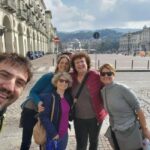
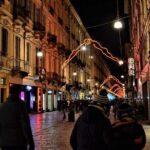
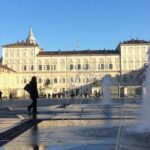
Where you start on Via Po, and how the timing feels in real life
The meeting point is Via Po, at Via Po, 10124 Torino TO, Italy. The route typically runs about 2 to 3 hours, and the whole experience operates within the daytime window (the listed hours run from 8:00 AM to 6:00 PM, Monday through Sunday).
You can also choose how it plays out at the end. Some versions finish back at Via Po. Others end at Mole Antonelliana, depending on the length you choose. That’s actually useful: if your goal is to keep exploring toward the hilltop views and the cinema museum area, getting dropped near Mole saves you from backtracking.
Because it’s a group tour, the pace is designed for flow. One of the best outcomes is that it doesn’t feel frantic. You’ll still be walking a fair bit, but you’re not sprinting from one ticket line to another.
Palace energy at Palazzo Reale: courtyards and gardens first
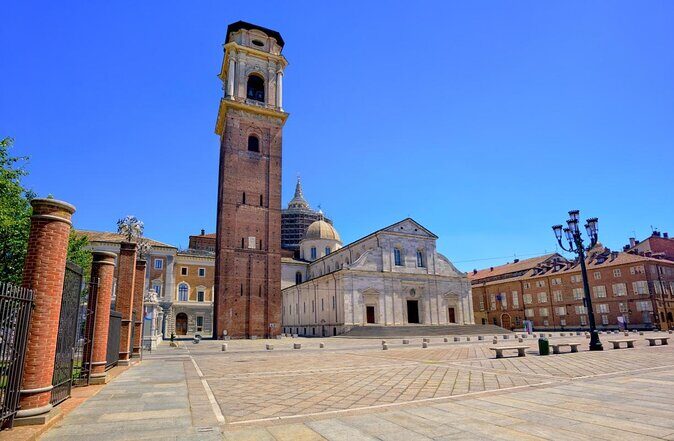
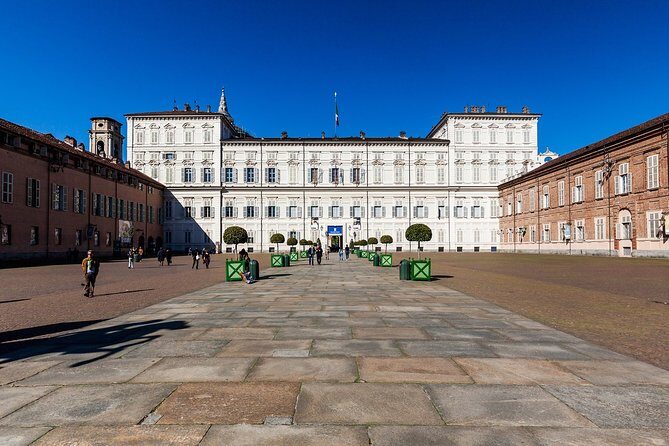
You start with Palazzo Reale di Torino, focusing on the courtyard and gardens. The palace itself may be described from the outside as part of the quick tour flow. If you want the full interior experience, you’d need a different plan than the fast walk format.
Still, this stop can be a great early win. Courtyards and gardens often give you the easiest “read” of royal scale. And because it’s near the early part of the tour, you’re not yet tired from walking—so you can actually notice details rather than just moving through.
If you love architecture and want to feel how formal the city could be, this stop sets the tone. If you’re expecting museum-style time inside, calibrate your expectations: this version is more about orientation and context than hours of indoor exploring.
Shroud of Turin stops: Sacra Sindone and San Lorenzo
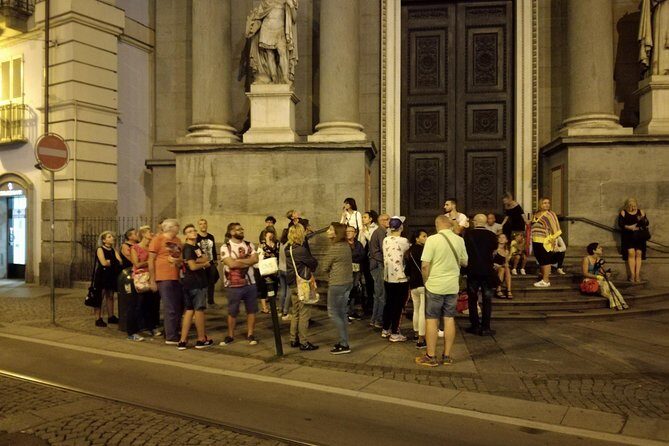
This is the heart of the route, and it’s why people who arrive curious about the Shroud of Turin walk away with a clearer story.
Cappella della Sacra Sindone: Renaissance built on older layers
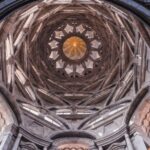
You’ll visit Cappella della Sacra Sindone, described as a Renaissance jewel dating from the 15th century. The key detail here is the layering of time: it was built over an older medieval three-churches site. Even the bell tower connects to the old layout, once acting as a passage route to the chapel of the Holy Shroud.
Today, that Shroud-related story connects to museum access through the Royal Museums. Even if you don’t go inside those museums on this tour, the guide’s framing helps you connect what you see outside to what you’d find if you extended your visit.
Other guided tours in Turin


Real Chiesa di San Lorenzo: Guarino Guarini and royal Savoy links
Next comes Real Chiesa di San Lorenzo, tied to the Savoy royals and designed by Guarino Guarini. The tour description highlights that this was the first place to host the Holy Shroud in Turin.
This matters because it changes how you look at the building. You’re not treating it like a generic church stop. You’re thinking: who controlled the narrative, why the architecture mattered, and how Turin positioned itself as a spiritual center.
If you enjoy religious art or you’re the type who wants a city to make sense beyond sightseeing photos, these two stops are a strong reason to book.
Roman Turin at Largo IV Marzo: short stop, long payoff
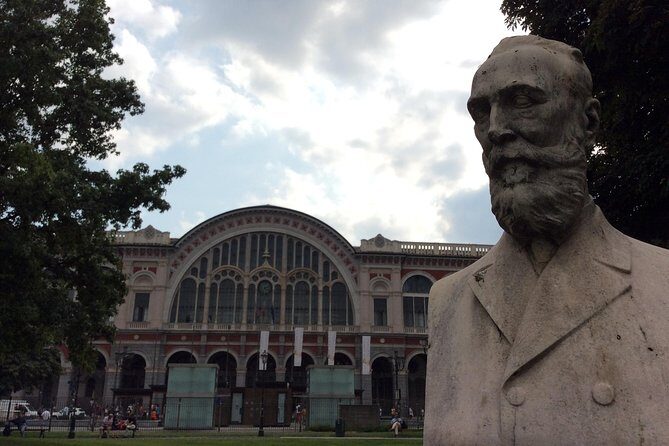
At Largo IV Marzo, you get an archaeological park feel, including elements like a Roman theatre plus walls and gates tied to the ancient city.
This stop is brief, but it’s well chosen. Turin is often sold as an elegant baroque-and-royal place, yet the Roman layers are still present. Seeing the theatre area (even quickly) gives you context for how the city’s footprint evolved. It’s a nice reminder that the street grid and the “where things go” energy of a modern city usually has deeper roots.
If you’re a person who likes the “how did this city start?” angle, you’ll likely appreciate this part more than you expect for such a short time.
Chiesa di San Domenico: church power and the Counter-Reformation
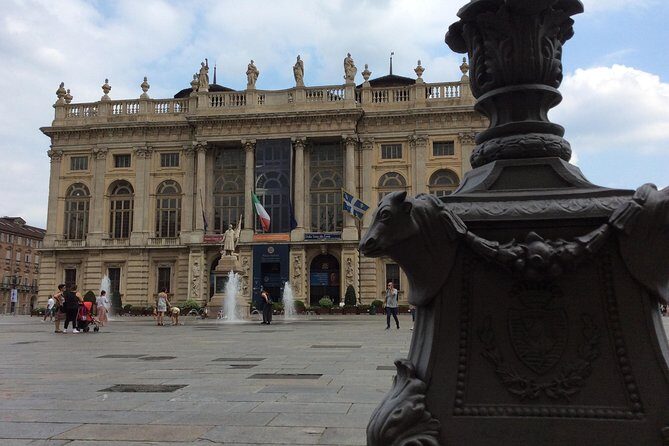
The tour then shifts to Chiesa di San Domenico, associated with Dominican friars and the Holy Inquisition over the centuries, especially through the Counter-Reformation.
This isn’t just a stop for impressive walls. It’s a stop for understanding why institutions shaped architecture and public life. You’ll get a guided explanation that connects religious orders to historical control and how the Counter-Reformation period reframed influence.
A fair consideration: if you’re sensitive to heavy historical subjects, this is one of the moments where the story goes beyond art and into power, law, and conflict. It’s not graphic in what’s stated, but it is conceptually serious.
Galleria San Federico and Galleria Subalpina: the city’s covered-in-between moments
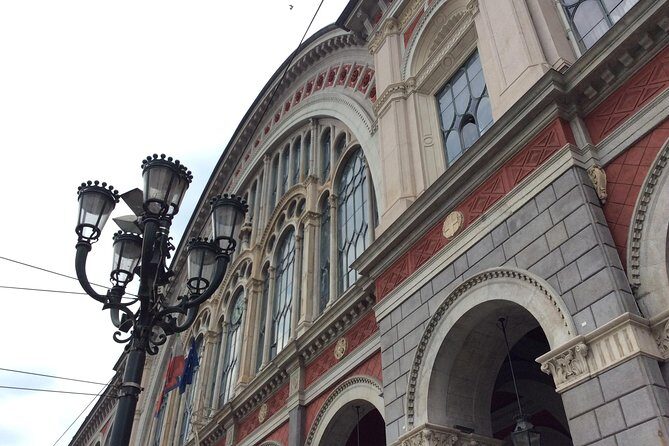
One of the best surprises in this kind of walking tour is how much you appreciate the in-between spaces—places that keep you moving comfortably while still showing off style.
Galleria San Federico
Galleria San Federico is described as a covered passage under noble palaces, mixing the old-city structure with modern uses like cinemas and branded shops. That blend is practical: you’re not just outside in the street maze.
The guide’s commentary helps you look past the shopping layer and notice the design intention of covered arcades—how they guide foot traffic and how they create a sheltered social space.
Galleria Subalpina
Later comes Galleria Subalpina, highlighted for its glass-and-metal Art Nouveau construction from the early 20th century. Even without long stops inside, the visual point is clear: Turin isn’t only about grand palaces and churches. It also made room for modern design language.
If you’re taking photos, this is the place where your pictures usually come out looking more architectural and less accidental.
Piazza San Carlo and the city’s moneyed center
Piazza San Carlo is described as the financial and architectural heart of Turin. Even if you’re not thinking about markets, this kind of square is never accidental. Central squares are where cities concentrate attention—commerce, civic identity, and status.
On a walking route, the square works as a breathing space too. It’s a moment to stop, reset your feet, and take in the geometry of how streets and buildings frame open space.
If you want to continue exploring after the tour, this is also a handy reference point. The tour gives you a landmark you can navigate from.
Palazzo Madama and Mole Antonelliana: outside views with big Turin meaning
Two of Turin’s “name” stops show up as outside views in this fast format, and that can be either a bonus or a mismatch depending on what you want.
Palazzo Madama
Palazzo Madama houses the Museum of Ancient Art and some temporary exhibitions. But in this tour format, you’ll generally only see it from outside. The reason this still works is that the building tells you a lot even at a distance—shape, scale, and the way it sits in the urban scene.
If you’re the type who wants museum time, you may want to plan a separate visit afterward. But as a quick orientation stop, it still makes the city feel whole.
Mole Antonelliana
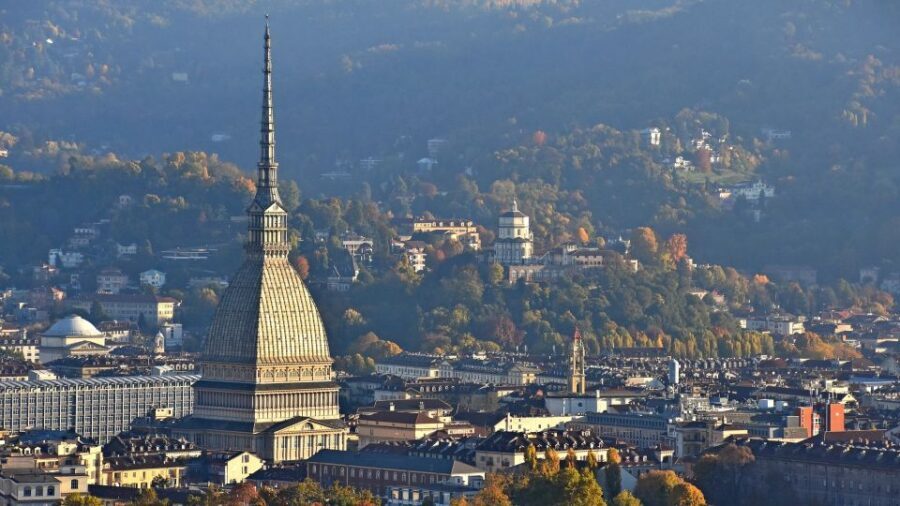
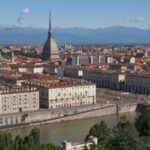
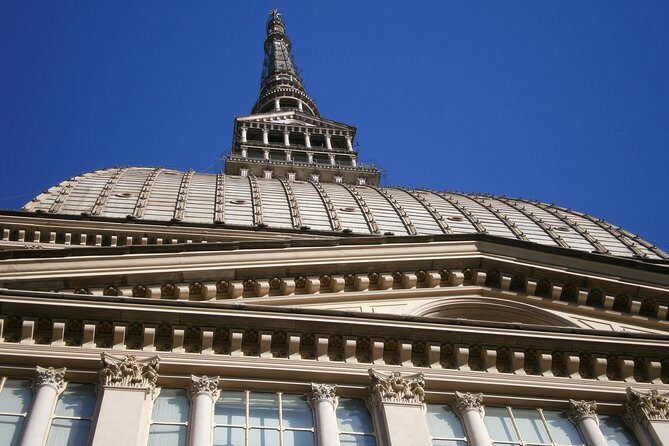
Then you reach Mole Antonelliana, Turin’s symbol worldwide. It’s described as a narrow and slender construction that reaches up into the sky. Originally designed as a synagogue, it now houses the Museum of Cinema of Turin.
In this tour format, you see it from the outside, and the info given sets you up for why it became a cinema museum later. You also get a hint that a dedicated visit could take you inside if you want more time.
Practical note: if you’re ending at Mole Antonelliana, you’ll likely enjoy the tour more because you can keep the momentum rather than walking back just to see one view.
Price and value: what $73.87 buys you (and what it doesn’t)
At $73.87 per person, the value comes from your guide and time. You’re paying for a licensed guide experience, not for ticketed museum marathons. The route is built to cover multiple key districts in about 2–3 hours.
A helpful detail: the stops listed in the route show admission tickets as free for each segment. That means your cost isn’t inflated by surprise entry fees for these specific viewing points.
Where you should be alert is in the flexibility. If you ask for changes that require paid tickets, those charges would be passed to you. So think of this as a focused guided walk with minimal extra paid components—unless you choose to extend the plan yourself.
Also, because it’s a group tour, you don’t get a private pace. That’s part of the value trade-off. Still, the group limit (up to 25 travelers) helps keep the experience from feeling huge.
Who this tour suits best (and who should consider a different approach)
This tour fits best if:
- you want a first introduction to Turin that doesn’t require planning like a military operation
- you care about the Shroud story and want the buildings connected to the narrative
- you like a structured walking route with time left to explore on your own
You might think twice if:
- you already spent hours in the exact area before the tour. The short duration plus central stops can feel repetitive if you’ve already done the same streets without guidance.
- you’re sensitive to the audio challenge of outdoors. One concern that can come up is that guides can be harder to understand in noisy settings. If you’re near the front and you keep your attention on the guide, you’ll set yourself up for success.
If you’re traveling as a family, the history can work well at mixed ages too. The approach aims to explain beyond just the route, and that can be a real help when kids are listening because the story has meaning.
Tips to get the most from your walk
A few small moves make a big difference:
- Wear shoes you can walk in for a while. This tour is a walking tour, not a sit-and-stare plan.
- If you want to go deeper after Mole or Sacra Sindone, keep a little energy for wandering. The tour is express by design, but you’ll likely want to keep going on your own.
- If you’re doing your own exploring before the tour, do it lightly. Save the heavy street-roaming for after, so the guided route feels fresh instead of repeat-y.
Should you book this Turin City Tour with Luisa Boscolo?
I’d book it if you want an organized, guide-led way to understand Turin fast—especially if the Shroud of Turin story is on your radar. The strengths are strong: clear guided context, a short time commitment, and an efficient loop through key architecture and Roman traces, ending with one of the city’s biggest icons.
I’d reconsider if you’re expecting a lot of inside-museum time at major sights, or if you’ve already explored the exact center thoroughly and want something more specialized. This tour is for getting your bearings and learning what matters, not for full deep-dive museum hours.
FAQ
FAQ
How long is the Turin City Tour with a local guide?
It runs about 2 to 3 hours, depending on the route length you choose.
Is the tour offered in English?
Yes. The tour is offered in English.
Where do we meet for the tour?
The meeting point is Via Po, 10124 Torino TO, Italy.
Where does the tour end?
It ends at Via Po, but you can choose to end at Mole Antonelliana depending on the tour length.
Does the price include a guided licensed guide?
Yes. The tour includes a guided tour by a licensed tour guide.
Are admission tickets included for the stops?
The listed stops in the tour are marked as free for admission ticket purposes. If you request changes that require paid tickets, those ticket costs would be charged to you.
How big is the group?
The tour has a maximum of 25 travelers.
Is there an option for hotel pickup?
Yes. You can meet in the city center, or upgrade to include hotel pickup.
What is the cancellation policy?
You can cancel up to 24 hours in advance for a full refund.