REVIEW · TURIN
Cesarine: Small group Pasta and Tiramisu class in Turin
Book on Viator →Operated by Cesarine: Cooking Class · Bookable on Viator
Fresh pasta class in real homes beats a studio. I love the hands-on technique you get in a local kitchen, and I also like ending with the food you made, from starter bites to tiramisu. The one catch to consider is that English support can vary by host, so you may need to follow along with a mix of conversation and hands-on cues.
This is a small-group class (up to 12 people) that runs about 3 hours. You’ll start with prosecco and nibbles, then roll up your sleeves for pasta dough and a classic dessert finish, usually with plenty of wine and table time afterward. If you’re hoping for a tightly scripted lesson like a cooking show, you might find the pacing more “family dinner” than “classroom.”
In This Review
- Key things to know before you go
- Why this Turin home-class feels different
- What you’ll cook: pasta plus classic tiramisù (and sometimes more)
- The 3-hour rhythm: prosecco start, pasta work, then a shared meal
- Inside the home kitchen: what “Cesarina style” teaching looks like
- Prosecco, wine, and the table after you cook
- Small group size: the sweet spot, and the thing to watch
- Price and value in real terms (not just the number)
- Who this class is best for (and who should pass)
- Health and comfort basics in the host’s home
- Should you book this Cesarine pasta and tiramisù class?
- FAQ
- Where does the class meet in Turin?
- How long is the class?
- What do we make during the class?
- Is the class offered in English?
- How many people are in the group?
- Does the class include drinks or snacks?
- Is this held in a home kitchen?
- What sanitary measures are provided?
- What’s the cancellation policy?
Key things to know before you go
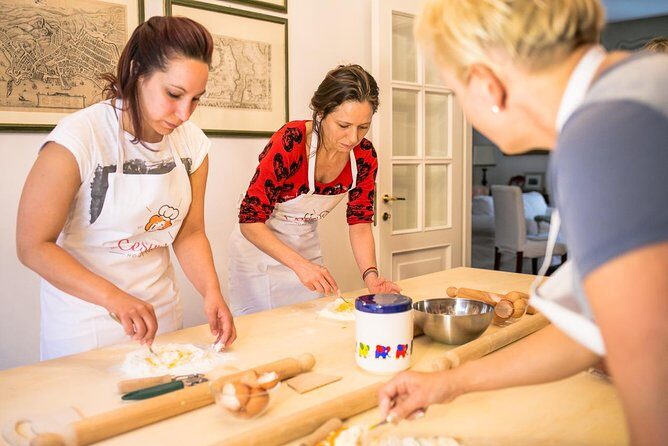
- Real home kitchen lessons with a Cesarina cooking family style, not a commercial studio setup
- Small group size (max 12), which usually keeps the class interactive and less crowded
- Prosecco and nibbles at the start, then tasting your own pasta and tiramisù at the end
- Techniques you can use later: dough handling, shaping, and tiramisù assembly steps
- Menu may expand in practice, with extra Italian dishes depending on the host
- English levels can differ, so go in ready to learn by doing (and by watching)
Why this Turin home-class feels different
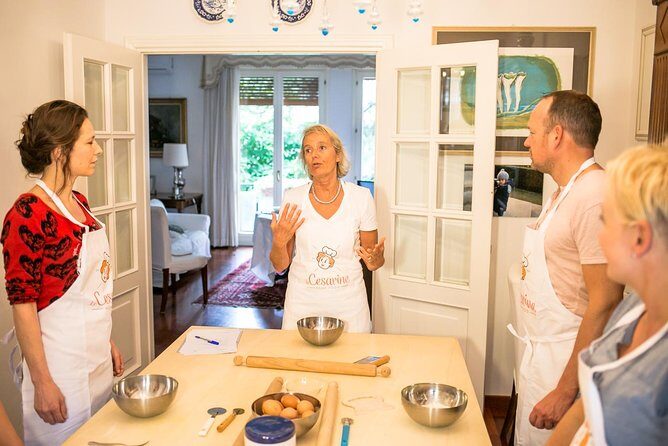
Turin is the kind of city where you can eat well without trying too hard. This class adds a different angle: you’re not just tasting Italian food, you’re learning how it’s made in someone’s everyday kitchen.
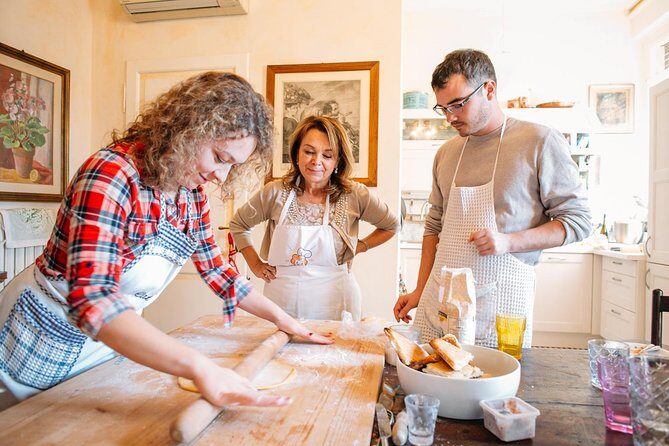
I like that it’s led by a Cesarina who treats you like you’re part of the evening for a few hours. I also like the hands-on focus—this isn’t a lecture, it’s flour on your hands and questions answered on the spot. The format is shared, but the cap of 12 helps keep things personal enough to actually improve your results.
Other cooking classes and culinary experiences in Turin
What you’ll cook: pasta plus classic tiramisù (and sometimes more)
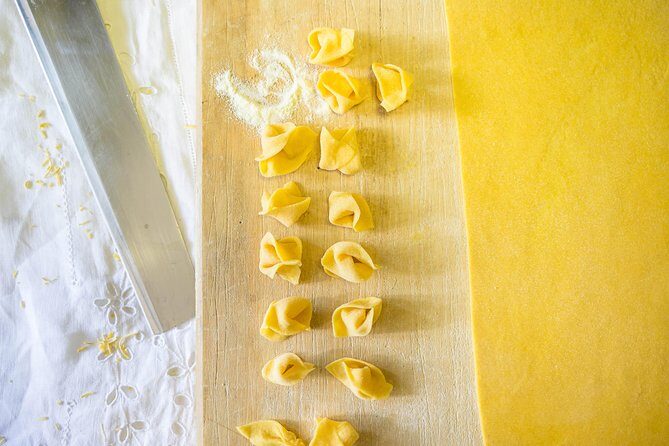
The headline is simple: homemade pasta and tiramisu. That’s exactly the kind of pairing that makes sense in Turin—pasta teaches technique, and tiramisù teaches balance: texture, timing, and assembly.
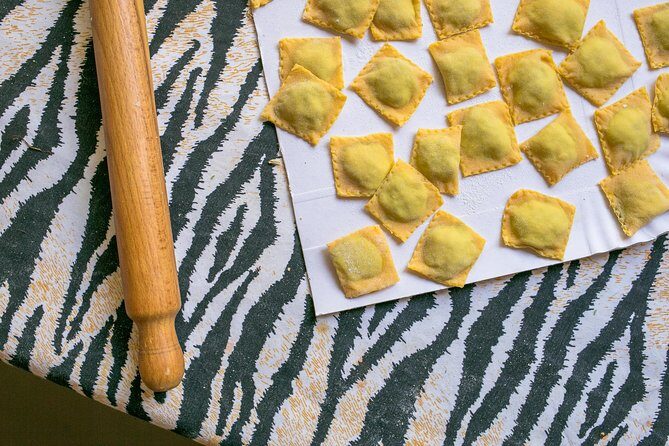
In practice, you may find the lesson goes beyond the two-item menu. Some hosts have guided groups through shapes like ravioli and farfalle, or added other Italian comfort dishes to the meal. For example, one host’s menu included items such as eggplant Parmesan and fondue alongside the pasta and tiramisù.
Here’s the part worth planning around: in at least one session, the tiramisù may be partly prepared ahead of time to keep the pace moving. You can still learn the key steps, but if you want a fully from-scratch dessert build with no shortcuts, you should be aware that this can vary by host and class timing.
The 3-hour rhythm: prosecco start, pasta work, then a shared meal
You’ll meet in Turin and the activity ends back at the same meeting point. The whole experience runs about three hours, and the flow matters because it shapes what you actually learn.
It typically starts with an aperitivo feel—prosecco and nibbles—so you get comfortable before the dough shows up. Then it’s hands-on work with pasta: making dough, shaping, and getting feedback as you go. Finally, you sit down to taste what you made, along with whatever the host has added to the table.
One practical reason this rhythm works: pasta dough needs a steady timeline, and tiramisù works best when everyone is on the same clock. The class structure helps prevent the classic travel problem where you finish cooking and realize you’ve skipped the part that makes the dish taste right.
Inside the home kitchen: what “Cesarina style” teaching looks like
This is where the value really shows. You’re learning in a home kitchen, which means you’ll pick up real-world habits—how ingredients are handled, how surfaces are managed, and how adjustments are made when dough behaves differently than expected.
You’ll likely hear a lot of “watch my hands, then you try.” In sessions led by hosts such as Doretta, Matteo, and Eugenia, the emphasis has been on patience and technique, especially for tiramisù assembly and pasta shaping. Even when English was limited, the core teaching still landed: the host guided with demonstrations and direct help so you could finish with something you’d actually want to eat.
Also keep in mind: some classes include translators or assistants. In one case, Arianna helped as a translator, which improved the pace and made it easier to follow instructions and explanations.
Prosecco, wine, and the table after you cook
Many cooking classes end the moment the food hits the plate. This one tries to carry you into the real Italian part: eating together.
The experience is described as starting with prosecco and nibbles, and ending with tastings of your creations. Several hosts have also served wine during the meal, and the overall vibe sounds like a warm dinner rather than a quick “hands-on then goodbye.”
If you’re vegetarian, pay attention to this: at least one session was described as vegetarian-friendly, with dishes that included eggplant Parmesan and other items on the table. That doesn’t mean every host will match every diet, but it does suggest you shouldn’t assume it’s only bread-and-cheese and a basic pasta.
A few more Turin tours and experiences worth a look

Small group size: the sweet spot, and the thing to watch
A max of 12 travelers is the right size for a home cooking class. It gives you the chance to be involved without feeling like you’re waiting your turn for every bowl and rolling pin.
That said, one caution shows up in the data: in one case, a group felt larger than the dining space could comfortably handle, with 10 people seated in a dining room that felt tight for the class size. Another concern that came up was limited instruction from a host when English support wasn’t strong enough.
My practical advice is simple:
- If you’re very sensitive to instruction quality and you want lots of English detail, pick a time slot you can be patient with and go in ready to learn by observation.
- If your idea of value depends on maximum hands-on attention, treat the max-12 limit as reassuring, but know that home kitchens vary.
Price and value in real terms (not just the number)
At about $155.68 per person for roughly 3 hours, the price isn’t low. But you’re paying for something that’s harder to price: a private home experience, a small-group setting, and an expert host spending time with you while you cook and then eat together.
Here’s what makes it feel more like value than an expensive gimmick:
- You get hands-on pasta technique, not just tasting
- You end with a tasted meal you helped prepare
- You’re hosted in a local home, which tends to create conversation and cultural exchange
The trade-off is that you’re not buying the exact same menu and teaching style every night. Some sessions may include extra dishes beyond pasta and tiramisù, and some may handle tiramisù with some prep ahead of time. That variability can be good—more food, more fun—but it also means you should set expectations that the class is human and flexible, not industrially standardized.
Who this class is best for (and who should pass)
I think this is best for you if:
- You want more than a tasting and you actually want to learn technique
- You like the idea of dinner conversation and sitting down together
- You’re comfortable in a small group and don’t need a strict classroom flow
It may be less ideal if:
- You need highly detailed instruction in perfect English
- You’re expecting a perfectly timed “everything fully from scratch” tiramisù process every time
- You’re very price-sensitive and want a big dining-room feel with lots of space
If you’re traveling with a kid or teen who wants a practical skill, the class can work well. One family described it as a positive experience for their 16-year-old, with the student coming away enthusiastic about basic Italian cooking skills.
Health and comfort basics in the host’s home
The class info emphasizes sanitary care in the home. The homes provide essential equipment for guests (paper towels for handwashing, hand sanitizer, and related supplies). The guidance also notes maintaining 1 meter distance and using masks and gloves if needed.
So if you’re thinking about comfort and cleanliness, you’re not walking into a vague situation. You’ll have basic supplies available, and the experience is framed around following sanitary rules.
Should you book this Cesarine pasta and tiramisù class?
Book it if you want a hands-on Turin food experience that feels like dinner with locals instead of a ticketed show. The combination of pasta technique plus a tiramisu lesson (and the chance to eat what you make) is exactly the kind of travel payoff that sticks.
I’d especially recommend it if you’re the kind of traveler who enjoys learning by doing, and you’re okay with a bit of variation from one host to another. Names like Doretta, Eugenia, Matteo, and Benedetta come up as hosts who set a friendly, patient tone and guide you through the work—sometimes with extra dishes and wine that make the night feel extra.
If you’re counting on perfectly consistent English instruction or a guaranteed fully from-scratch tiramisù build, consider that teaching and pacing can vary by home and host. For most people, that variation is part of the charm. For you, it just depends on what you value most.
FAQ
Where does the class meet in Turin?
The experience starts in Turin, Metropolitan City of Turin, Italy. It ends back at the same meeting point.
How long is the class?
It runs for about 3 hours.
What do we make during the class?
The class focuses on pasta and tiramisù.
Is the class offered in English?
Yes, it’s offered in English.
How many people are in the group?
The class has a maximum of 12 travelers.
Does the class include drinks or snacks?
Yes. It starts with prosecco and nibbles, and you end by tasting what you made.
Is this held in a home kitchen?
Yes. It’s described as a hands-on cooking class in a carefully selected local home in Turin.
What sanitary measures are provided?
The homes provide essential sanitary equipment like paper towels and hand sanitizing gel. The guidance also includes maintaining 1 meter distance, and wearing masks and gloves if you can’t.
What’s the cancellation policy?
You can cancel for free up to 24 hours in advance for a full refund.