REVIEW · TURIN
Italian Cooking Class and Dinner at a Chef’s House in Turin
Book on Viator →Operated by eatwith · Bookable on Viator
One great reason to cook in someone’s home: you learn faster. This Turin class is a hands-on afternoon where Matteo takes you through classic Piedmont flavors, from bagna càuda to fresh pasta and tiramisù, then you sit down and eat what you made. It’s a small-group setup, so the teaching stays practical and personal. Only possible drawback: you’ll need to share any food restrictions clearly ahead of time, because the menu shifts around your needs.
I especially like that the instruction isn’t just recipe reading. You get real technique practice, including pasta-making steps and kitchen skills, plus an explanation of how local methods evolve. The other big plus for me is the dining part: you don’t just sample bites—you get to enjoy a proper meal at Matteo’s table with wine and even an after-dinner liqueur in the flow of the evening.
In This Review
- Key points to know before you go
- Why a Chef’s Home in Turin Beats a Restaurant Kitchen
- Meet Matteo: Small-Group Teaching That Stays Practical
- The Menu You’ll Make: Bagna Càoda, Fresh Pasta, and Tiramisù
- Bagna càuda with Piedmontese garlic sauce
- Handmade fresh pasta and a matching sauce
- Dessert finish: tiramisù (plus other options)
- Hands-On Cooking: Pasta Machines, Knife Skills, and Sauce Logic
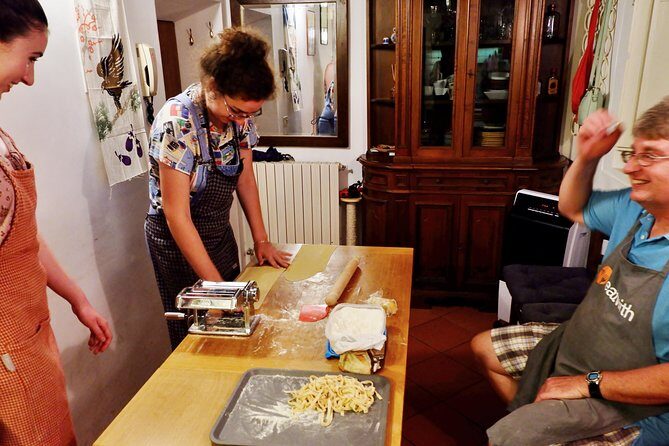
- Using the pasta machine
- Knife and prep coaching
- Sauce and flavor balancing
- What the Meal Feels Like: Wine, Liqueur, and Eating at Matteo’s Table
- Price, Time, and Value for a 3.5-Hour Turin Day
- Who This Cooking Class Suits Best (And Who Might Skip It)
- Should You Book This Italian Cooking Class in Turin?
- FAQ
- What’s the duration of the Turin cooking class and dinner?
- Where does the experience start and end?
- What time does the class begin?
- Is instruction offered in English?
- How many people are in the group?
- What dishes will I cook?
- Does the experience include wine?
- What should I do if I have dietary restrictions?
- Is cancellation free?
Key points to know before you go
- Max 7 travelers means less waiting and more hands-on time.
- You’ll cook Piedmont favorites like bagna càuda, plus handmade pasta from scratch.
- Matteo’s teaching style focuses on technique, not just getting through steps.
- You’ll finish with tiramisù (with options like panna cotta or chocolate gelato).
- English instruction makes it easier to follow every step and ask questions.
- The experience ends back near the start point, so your day stays simple.
Why a Chef’s Home in Turin Beats a Restaurant Kitchen
If you want Italian food with context, a home class works better than a standard cooking show. In Matteo’s kitchen, the focus is on how dishes actually come together: timing, texture, and balancing flavors so it tastes like the real thing, not just something plated for a camera.
This kind of experience also gives you something you can’t buy in a tour bus gift shop: a window into daily food culture. You’re learning why ingredients behave the way they do in Italian cooking—garlic and anchovy style in bagna càuda, the logic behind sauce choices with pasta, and how dessert consistency is built, not guessed.
The meal format matters too. You don’t just leave with a recipe card. You eat at a dining table as part of the experience, with wine flowing alongside what you cooked. That turns the class into a full, satisfying day segment instead of a quick activity.
Other cooking classes and culinary experiences in Turin
Meet Matteo: Small-Group Teaching That Stays Practical
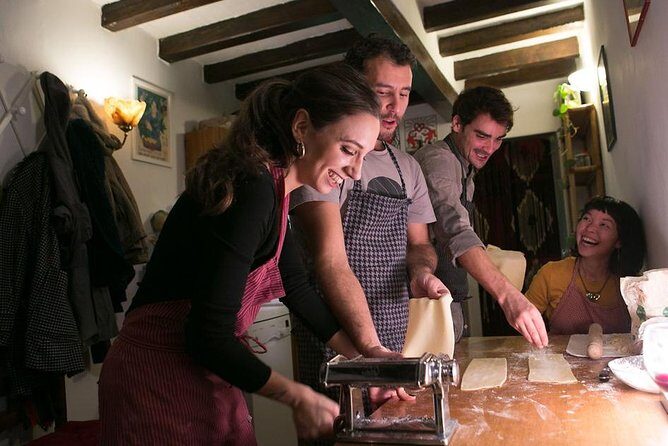
Matteo is the kind of host who makes the kitchen feel friendly, not intimidating. He’s originally from Sardinia, and he clearly enjoys mixing his roots with Italian traditions and flavors from beyond Italy. That mix shows up in how he teaches: you learn core techniques, then see how they adapt with ingredients and regional preferences.
The small size is the real superpower here. With a maximum of 7 travelers, it’s easier to get direct feedback when your dough needs more or your sauce needs a tweak. In the experience I found most compelling, the vibe could feel almost one-on-one, especially when the group is small.
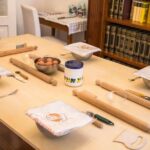
You’ll also get practical kitchen basics that many people skip when they only cook at home. Based on past sessions, you can expect instruction on tools (like a pasta machine) and knife handling. Even if you’re an ok home cook, these little coaching moments are often the difference between making something once and making it reliably.
The Menu You’ll Make: Bagna Càoda, Fresh Pasta, and Tiramisù
This is a classic Italian trio, but done the hands-on way.
Bagna càuda with Piedmontese garlic sauce
You start with bagna càuda, a Piedmontese garlic sauce served with seasonal vegetables. It’s iconic for a reason: it’s comforting, intense, and built on balance—garlic sweetness, salty depth, and a mellow finish when it’s done right.
What I like is that you’re not just tasting someone else’s version. You’re learning how a sauce like this behaves, which matters if you want to reproduce it later. You’ll work with seasonal vegetables too, so you get a feel for how the same recipe works across different ingredient weeks.
Handmade fresh pasta and a matching sauce
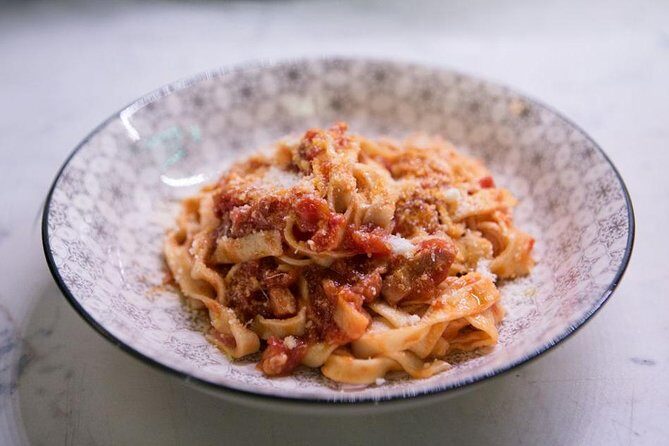
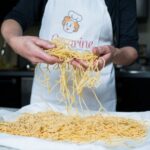
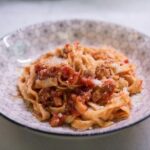
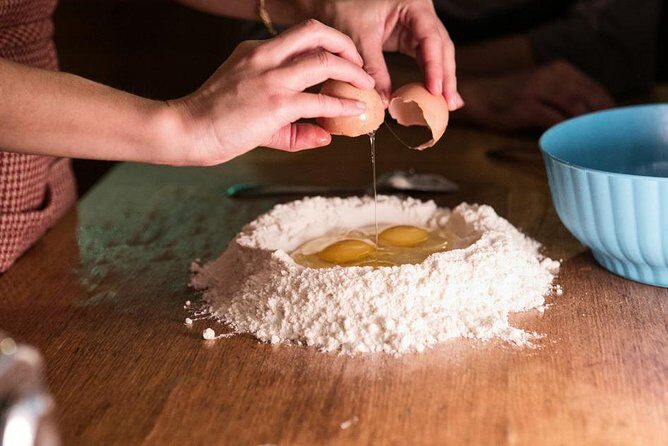
Next comes handmade pasta from scratch. The experience format centers on making pasta and pairing it with a sauce—often a deep tomato sauce and ragù style option, plus a pesto path depending on the session.
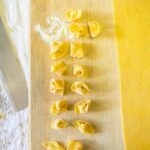
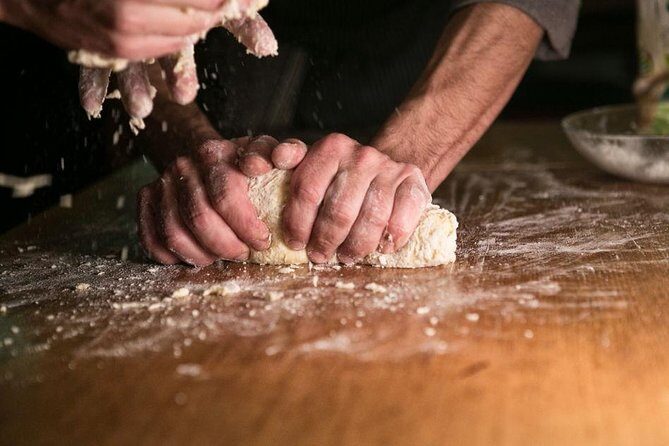
You may also get hands-on work tied to filled pasta techniques. In previous experiences, people learned pasta shapes and fillings such as those used in ravioli and tortellini. Even if your final menu choice differs slightly, the core skill you walk away with is clear: fresh pasta dough and how to handle it so it doesn’t turn brittle or stretchy in the wrong way.
Other cooking classes in Turin
Dessert finish: tiramisù (plus other options)
You end with tiramisu. Depending on the session, you might also see alternatives like panna cotta or chocolate gelato. The important part here is pacing and texture: dessert is where many classes fall apart if the timing is rushed, but here it’s part of the 3.5-hour flow.
If you’ve ever made tiramisù that came out watery or heavy, you’ll appreciate learning how consistency is controlled during assembly.
Hands-On Cooking: Pasta Machines, Knife Skills, and Sauce Logic
Most cooking classes stop at ingredient lists. This one leans harder into technique.
Using the pasta machine
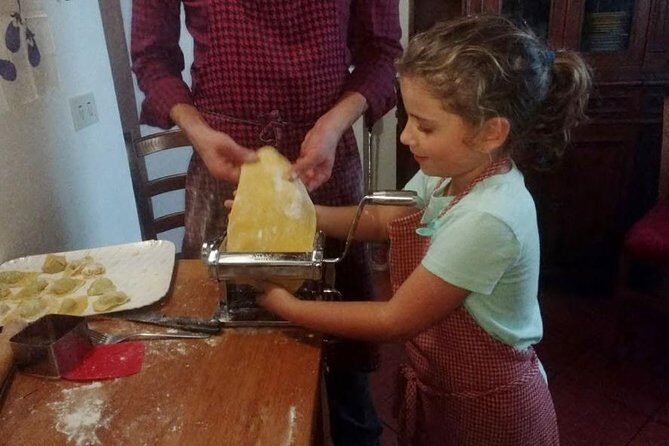
Expect real practice. Some sessions are built around getting comfortable with the pasta machine, learning how to roll dough, and how to keep thickness consistent. That’s a skill you can repeat at home, and it’s also the fastest way to level up your homemade pasta.
Knife and prep coaching
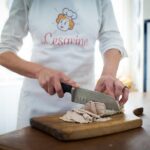
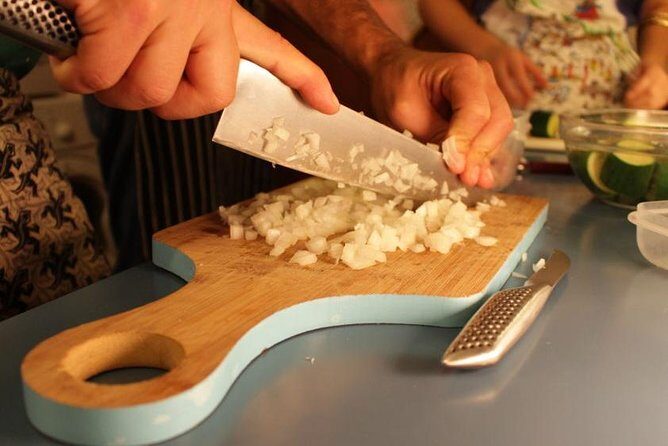
Knife work isn’t glamorous, but it’s essential. Past sessions included guidance on using knives properly, plus prep for vegetables and ingredients you might not use often. If you’ve only cooked with a small set of produce, you’ll likely learn how to work with other ingredients and treat them with respect rather than treating them like generic salad.
Sauce and flavor balancing
Sauce is where Italian cooking becomes science and art at the same time. With a pasta class, the key question is always: does the sauce cling, and does it match the pasta? You’ll follow the logic behind Italian-style sauces—why you simmer or reduce, how you build flavor, and how you season so you don’t end up with something that tastes either flat or harsh.
In one memorable variation, a pesto used kale and walnuts instead of the usual basil and pine nuts. That’s the kind of lesson you’ll actually reuse: you learn how pesto changes when you swap the leafy base and nuts, and why the flavor still works.
What the Meal Feels Like: Wine, Liqueur, and Eating at Matteo’s Table
Here’s the part I think most people will love: you sit down and eat in the middle of the experience, not after a long scramble.
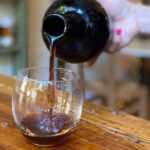
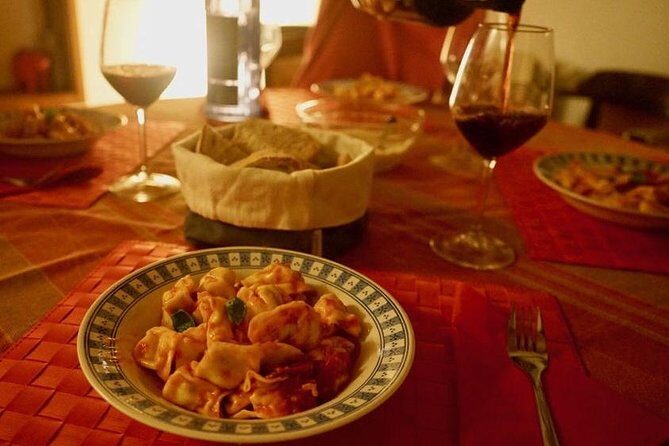
Once everything is ready, you’ll enjoy the dishes you created at Matteo’s dining table, paired with a glass of wine. In previous sessions, an after-dinner liqueur also followed naturally. That matters because it ties the class into a full evening meal rhythm, which is how food culture actually feels in Italy.
If you’re worried this will be awkward—like you’re cooking for someone else and then leaving right away—don’t be. The format is social, but not noisy. It’s intimate, the kind of setting where questions come easily while you’re waiting for dough to rest or sauce to thicken.
Also, you may leave with practical extras. In past sessions, Matteo provided recipes and pointed guests toward places to eat in Turin. That kind of local sharing can help your next meal choices after the class ends.
Price, Time, and Value for a 3.5-Hour Turin Day
At $144.16 per person for about 3 hours 30 minutes, this sits in the midrange for hands-on experiences. The value is strongest if you care about technique and want a meal included, not just a demonstration.
Here’s what your money is really paying for:
- Small-group, English instruction (max 7 people)
- Multiple dishes made from scratch, not just assembling
- Wine included, plus the class meal at the table
- A host who teaches skills you can reproduce, like pasta-making steps and sauce timing
Timing also helps. Starting at 10:30 am, this fits nicely between a morning of sightseeing and an early afternoon plan afterward. Turin is a city where walking and pausing both work well, so a class like this gives you a structured “food anchor” without stealing your whole day.
Who This Cooking Class Suits Best (And Who Might Skip It)
I’d point you here if you:
- Want hands-on cooking, not just tasting
- Enjoy learning techniques (pasta machine work, knife prep, sauce logic)
- Prefer a small group with more personal attention
- Want a genuine meal experience in a local home setting
- Are traveling solo or as a couple and want the class to feel social but not crowded
You might skip it if you:
- Are looking for a big-group party atmosphere
- Prefer cooking classes that stay strictly within one narrow menu style (because your exact dishes may adapt to dietary needs)
- Have dietary restrictions that require very specific substitutions and you can’t communicate them clearly ahead of time
Should You Book This Italian Cooking Class in Turin?
Yes—if you want real technique and a meal you can taste with pride. This class is built around handmade pasta, a Piedmontese starter like bagna càuda, and a dessert finish such as tiramisu, plus the nice bonus of eating together with wine at Matteo’s home table.
Book it especially if you like the idea of learning in English with a max of 7 people and leaving with skills you can repeat. If you’re traveling with allergies or a specific diet, message your needs early so the recipes can be planned around you.
FAQ
What’s the duration of the Turin cooking class and dinner?
The experience runs for about 3 hours 30 minutes.
Where does the experience start and end?
It starts at Via Nicola Fabrizi, 10143 Torino TO, Italy and ends back at the same meeting point.
What time does the class begin?
The start time is 10:30 am.
Is instruction offered in English?
Yes, the experience is offered in English.
How many people are in the group?
The class has a maximum of 7 travelers.
What dishes will I cook?
You’ll cook recipes that may include bagna càuda, handmade fresh pasta with a sauce (such as tomato ragù or pesto), and dessert such as tiramisù (with options that can include panna cotta or chocolate gelato).
Does the experience include wine?
Yes. You’ll enjoy a glass of wine with your culinary creations.
What should I do if I have dietary restrictions?
You need to communicate your food restrictions (allergies or special diets) so the recipes can be adapted.
Is cancellation free?
Yes. You can cancel for a full refund if you cancel up to 24 hours in advance of the experience start time.