REVIEW · TURIN
Home Cooking Class & Meal with a Local in Turin
Book on Viator →Operated by Cesarine: Cooking Class · Bookable on Viator
Three recipes, one real Italian kitchen in Turin. This private cooking class takes place in a local’s home, where you work at your own station with aprons on, then taste what you made with a glass of local wine.
I like the hands-on three-recipe structure because you’re not just observing. I also like the meal wrap-up with wine and coffee included, so the experience stays fun, not rushed.
One possible drawback: there’s at least one unhappy report tied to cancellations, so I’d keep an eye on your confirmation as your date approaches and have a backup plan for that evening.
In This Review
- Key highlights at a glance
- Cooking Three Piedmont Dishes in Someone’s Turin Kitchen
- What You’ll Cook: From Savory Starters to Piedmontese Dessert
- The Private Class Setup: Aprons, Stations, and Real-Time Guidance
- Menu Adjustments for Skill Level and Dietary Needs
- Wine, Coffee, and the Best Moment: Eating What You Made
- The Value of $225 for a Private Dinner-Style Cooking Class
- Timing in Turin: What the 3 Hours Feels Like
- Who Should Book This Cooking Class in Turin?
- Should You Book This Private Home Cooking Class?
- FAQ
- What will I cook in the Turin home cooking class?
- How long is the experience?
- Is wine included?
- Is this a private class?
- Can the menu be adapted for dietary preferences?
- Where do we meet and where does it end?
Key highlights at a glance
- Private, in-home format with only your group
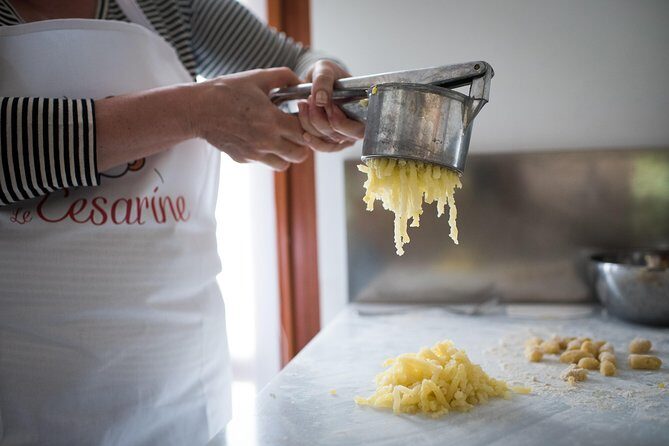
- Three Piedmontese recipes made by you (with aprons and workstations)
- Wine (red or white) plus coffee served with your meal
- Local family energy, often with stories alongside instruction
- Menu can be adapted for skill level and dietary preferences
- Recipe handoff is sometimes provided after class
Cooking Three Piedmont Dishes in Someone’s Turin Kitchen
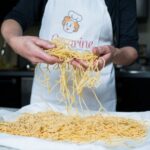
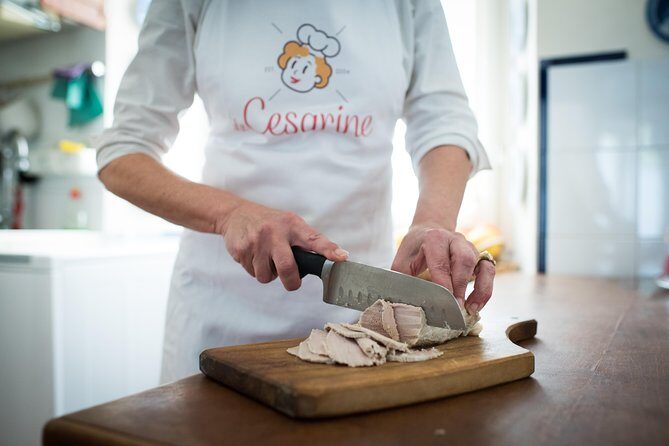
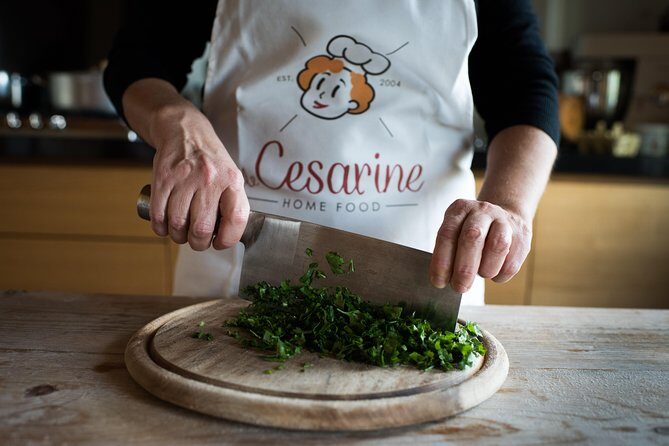
A Turin cooking class in a home beats the usual demo-kitchen vibe. Here, you’re set up at a working station, wearing an apron, and guided through three regional recipes that you actually prepare. It’s the kind of experience that turns Turin food from something you order into something you can picture on your own plate.
What makes this format especially practical is the pacing. In about three hours, you’ll move from prep to cooking to tasting, so you don’t get stuck waiting around. And because it’s private, you’re not sharing your instructor’s attention with strangers.
You’ll also get the Piedmont side of Italian cooking, not just generic pasta-and-sauce. Turin and the wider Piedmont region lean into hearty comfort food, smart seasoning, and desserts that don’t show up on every restaurant menu. The goal isn’t to impress you with fancy plating—it’s to help you make food that feels like it belongs to this place.
Other private tours with a local in Turin & Piedmont


What You’ll Cook: From Savory Starters to Piedmontese Dessert
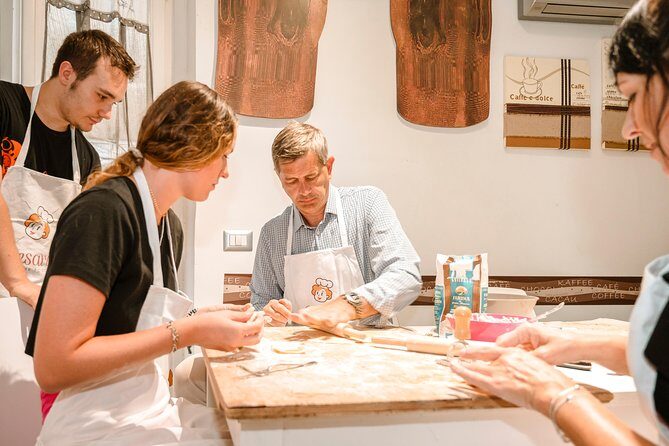
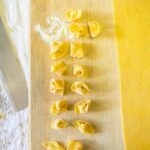
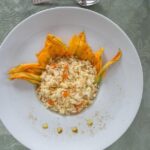
The class centers on three regional recipes, but the exact menu can vary. One sample menu you may run into includes a salad with chicken, celery, walnuts, and Parmesan, plus pumpkin ravioli with sage butter and the classic Turin dessert bonet. That’s a great snapshot of the range: crunchy and savory first, then pasta richness, then something sweet and custardy.
Even when your dishes differ, you can expect the same rhythm:
- A savory start that balances texture (like greens, nuts, or cheese)
- A main built around local flavors (often pasta or filling-based dishes)
- A finish that highlights Piedmont dessert style (bonet is a frequent star)
Why this matters: if you only learn one recipe, you leave with one good dinner. Learning three gives you options—an everyday meal, a weekend project, and a special dessert. And since you’ll taste as you go at the end of the session, you get a clear sense of when something is done and how it should taste.
The Private Class Setup: Aprons, Stations, and Real-Time Guidance
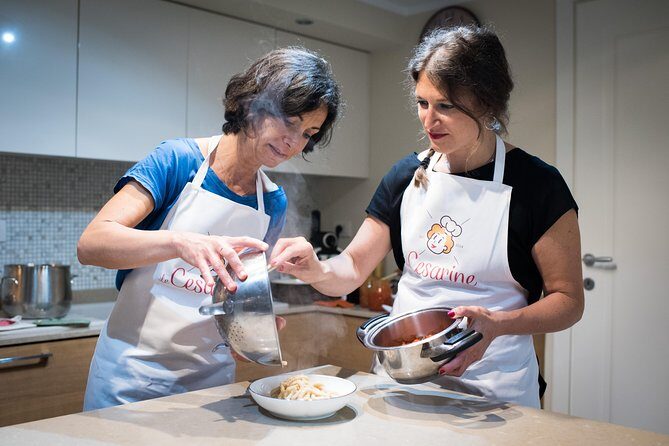
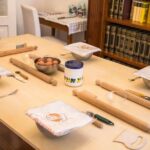
This is a private class, so you and your group are the only people in the room. That one detail changes everything about how the time feels. You can ask questions as you cook, and your instructor can adjust for your comfort level without needing to keep a whole group moving.
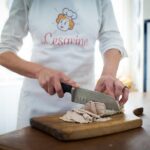
You’ll be equipped with aprons and work stations, which helps you get cooking fast. It’s not just a “watch the chef” experience—it’s hands-on instruction. And in the best cases, the host doesn’t only teach the recipe steps, they teach the small reasoning behind them: how to build flavor, when to season, and what changes you can look for to know the dish is working.
Different instructors are mentioned across experiences. Some classes are led by local pairs such as Sarah and Alessio, with a warm, welcoming tone that feels like being invited into an everyday home. Other sessions may be taught by Rosanna, sometimes supported by her partner/translator Raffaele, which can be a big help if you want to ask questions and understand every step.
Menu Adjustments for Skill Level and Dietary Needs
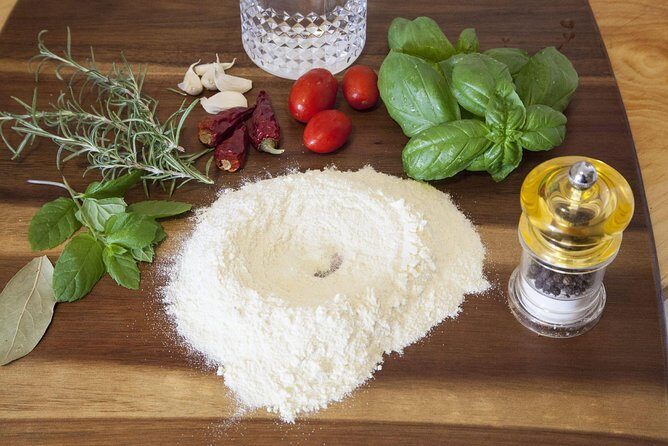
One thing I really appreciate about this style of class is flexibility. A number of experiences highlight that the menu can be changed on short notice to fit your skill level and your desired outcome. That means beginners can still have a smooth time, and confident cooks can aim for a better version of the dish instead of just scrambling to finish.
Dietary preferences can also come into play. In at least one case, the menu was tailored to dietary preferences, which is exactly what you want from an in-home setting. A restaurant kitchen can only do so much; a home class can usually shift more easily because the instructor is planning the meal with you right in front of them.
Practical advice: if you have dietary needs, treat this as a pre-cooking conversation, not a last-minute surprise. Even if the class adapts, you’ll get better results if your instructor knows what to accommodate ahead of time.
Wine, Coffee, and the Best Moment: Eating What You Made
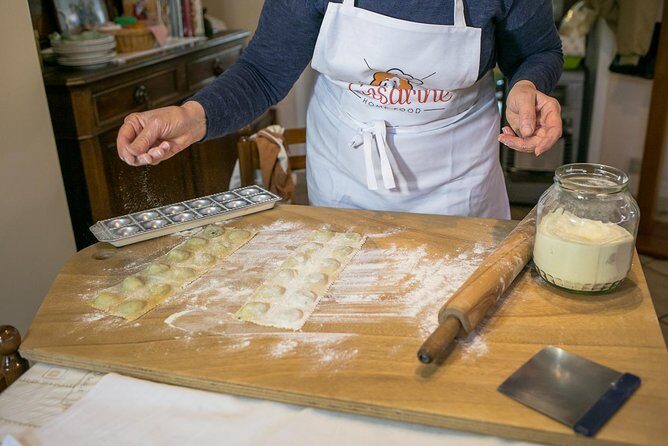
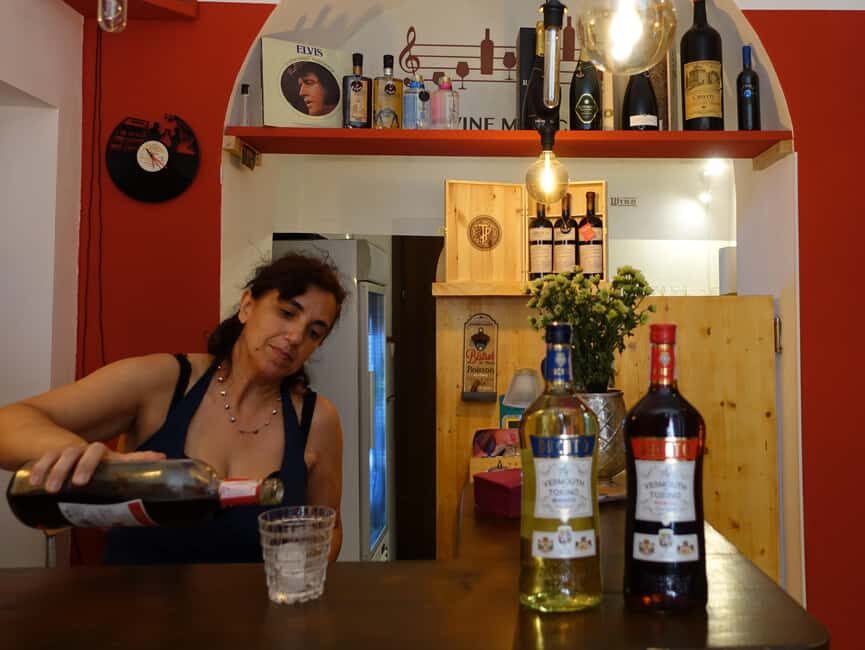
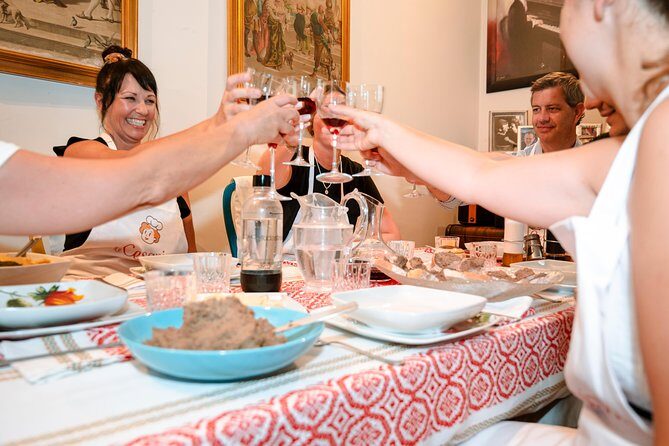
After you finish the three recipes, you sit down to sample your creations. This part matters. Cooking classes can sometimes feel like you work for three hours and eat something small at the end. Here, the meal is the payoff, served with your choice of local red or white wine, plus coffee.
The wine choice is a nice touch because it gives you control over how you want to pair the flavors you made. Red often fits richer savory dishes and warming sauces, while white can feel cleaner with salads and lighter components. Either way, it keeps the experience anchored in authentic Italian hospitality—food, conversation, and a relaxed pace.
And because it’s in a home, the meal doesn’t feel like a performance. You’re eating from your own work, which makes every bite more understandable. I find that’s when the technique clicks: you finally taste what the ingredient choices were supposed to do.
Other cooking classes and culinary experiences in Turin

The Value of $225 for a Private Dinner-Style Cooking Class
Let’s talk money, because this class isn’t a $40 group workshop. It costs $225, and it’s worth looking at what you actually get for that price.
You’re paying for:
- A private in-home experience (your group only)
- A full three-recipe learning session
- Wine with the meal (red or white)
- Coffee
- Instruction that can adapt to your needs
For some people, $225 is too much for a “cook together” activity. But for me, the price makes sense when you treat it like a guided dinner plus skills. You’re not just eating; you’re learning recipes you can repeat.
If you’re traveling as two, it can feel more reasonable because the “chef time” is shared across fewer people than a standard group class. If you’re solo, it can still be a good deal if you want a confident, guided evening with a local family atmosphere and a clear takeaway—especially since some experiences mention that recipes are provided afterward so you can recreate the dishes later.
Timing in Turin: What the 3 Hours Feels Like
The class runs about three hours. That duration is long enough to learn real steps, not just mix ingredients and call it done. In practice, you’ll likely spend time prepping, cooking through the dishes, and then transitioning into the tasting meal.
The private setup also helps with timing. Instead of waiting for a group leader to finish explaining the same thing ten times, you can move with your instructor’s rhythm. If your menu includes multiple courses, the instructor can steer you through each dish without turning the session into a frantic production line.
One small benefit worth noting: after dinner, some hosts have helped with getting your bearings and even finding a taxi. That’s not guaranteed, but it fits the home hospitality style you’re buying into.
Who Should Book This Cooking Class in Turin?
This is a strong choice if you want:
- A hands-on Turin experience that feels local, not touristy
- Piedmontese recipes you can actually cook again at home
- A private setting where you can ask questions
- An evening plan that includes wine and ends with a proper meal
It’s also a nice fit for couples celebrating something special. One experience was booked for a partner’s 30th birthday, and the hosts made the night feel like you were truly included in their home routine, not just passing through a scheduled activity.
If you’re a solo traveler, it can work well too because the class format is designed around you and your group, and at least one experience specifically highlights the comfort of this style for someone traveling on their own.
If you’re a super picky eater, you’ll want to communicate dietary needs clearly in advance. The menu can adapt, but the core structure still depends on what the instructor plans to teach during that three-hour window.
Should You Book This Private Home Cooking Class?
I’d book it if you want a real Turin food experience: three recipes, local wine, and the kind of home-instruction that helps you learn patterns, not just memorized steps. The private format is the biggest selling point, because it turns a cooking class into a conversation and a shared evening.
I’d pause before booking if your schedule is tight and you can’t handle the possibility of last-minute disruption. There is at least one negative report tied to cancellations, so while most experiences sound smooth, don’t treat it like a risk-free reservation. If you can stay flexible, this is exactly the kind of activity that makes Turin feel personal.
FAQ
What will I cook in the Turin home cooking class?
You’ll learn to make three regional recipes yourself. The exact dishes can vary, but Piedmont classics such as pumpkin ravioli with sage butter and the dessert bonet may appear, along with savory starters like a salad.
How long is the experience?
The class lasts about 3 hours.
Is wine included?
Yes. You can choose local red or white wine to go with the meal, and wine and coffee are provided as part of the experience.
Is this a private class?
Yes. It’s private, so only your group participates.
Can the menu be adapted for dietary preferences?
In some cases, the menu has been tailored to dietary preferences, and it can also change based on skill level and desired outcome. Share your needs when you book.
Where do we meet and where does it end?
The experience starts in Turin and ends back at the meeting point. The activity includes local home cooking before you return to the same general area afterward.