REVIEW · TURIN
Turin: Palazzo Madama Museum of Ancient Art Entrance Ticket
Book on GetYourGuide →Operated by Fondazione Torino Musei · Bookable on GetYourGuide
One stairway in Turin stops you cold. Palazzo Madama is a UNESCO World Heritage Site that turns into a real walkthrough of European power and taste, from a Roman gate to a castle for the Acaja princes. I especially like Filippo Juvarra’s monumental staircase and the panoramic tower views you can see for miles across the city; it’s the kind of payoff that makes you slow down and actually look up. One possible drawback: your ticket is for the permanent collection and the medieval botanical garden, while temporary exhibitions and guided activities are separate.
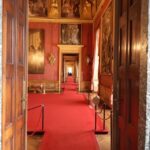
This is not a one-room museum. You’re looking at ancient art across a huge stretch of time, from the Early Middle Ages to the Baroque era, with over 70,000 works spanning paintings, sculptures, illuminated manuscripts, metalwork, ceramics like majolica and porcelain, plus furnishings and textiles. The route is organized around themes of history and architecture, so you’re not just wandering—you’re building a mental map of the building and the objects inside it.
Plan for museum rules too. Food and drinks aren’t allowed, large luggage isn’t allowed, pets aren’t allowed (assistance dogs are fine), and flash photography is off the table. If you’re traveling light, it feels easy and relaxed; if you’re carrying a lot, it can slow you down.
In This Review
- Key highlights you’ll want to time right
- Palazzo Madama: why this Turin palace feels like a time machine
- The building’s layers: Roman gate, fortress, Acaja princes, and a senate
- The permanent collection: 70,000+ works and a route built on themes
- Juvarra’s staircase and the panoramic tower: the moment that makes the ticket feel worth it
- A must-see painting moment: Antonello da Messina’s Ritratto d’uomo
- Medieval Botanical Garden: the calm break you’ll appreciate more than you think
- How long you should plan for this one-day ticket
- Price and value: is $11 per person fair for what you get?
- Temporary exhibitions: how to plan if you’re attracted to special displays
- Practical rules that affect your comfort (and how to deal with them)
- Who should book Palazzo Madama (and who might want a different day plan)
- Should you book Palazzo Madama?
- FAQ
- How much does the Palazzo Madama museum ticket cost?
- Where is Palazzo Madama located?
- How long is the experience?
- What is included with the ticket?
- Are temporary exhibitions included?
- Is the ticket for the permanent collection a discount for temporary exhibitions?
- Is Palazzo Madama wheelchair accessible?
- Are food and drinks allowed inside?
- Can I cancel for a full refund?
Key highlights you’ll want to time right
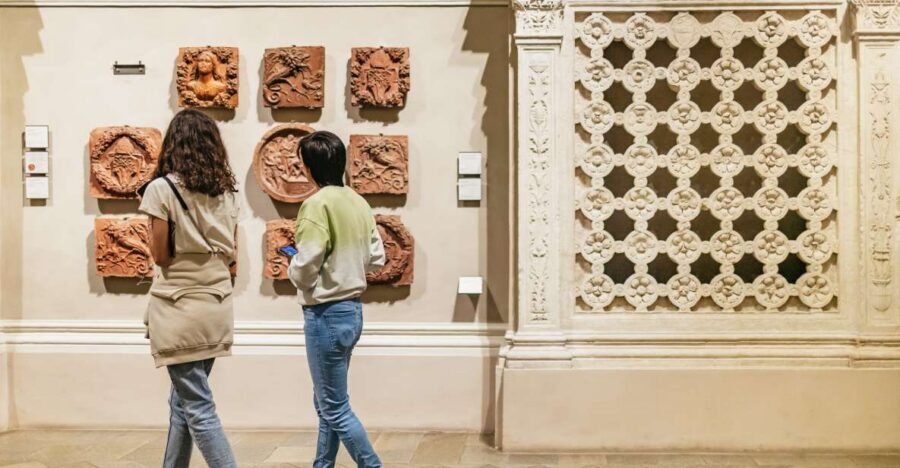
- Filippo Juvarra’s monumental staircase: a dramatic interior moment you’ll notice even before you reach it
- Panoramic tower: one of the clearest “step outside yourself” views in central Turin
- Antonello da Messina’s Ritratto d’uomo: a standout name to anchor the ancient-art highlights
- Medieval Botanical Garden: a quiet breath of greenery inside a fortress-like setting
- A palace with layers: Roman gate → fortress → Acaja princes’ castle → civic museum home
Palazzo Madama: why this Turin palace feels like a time machine
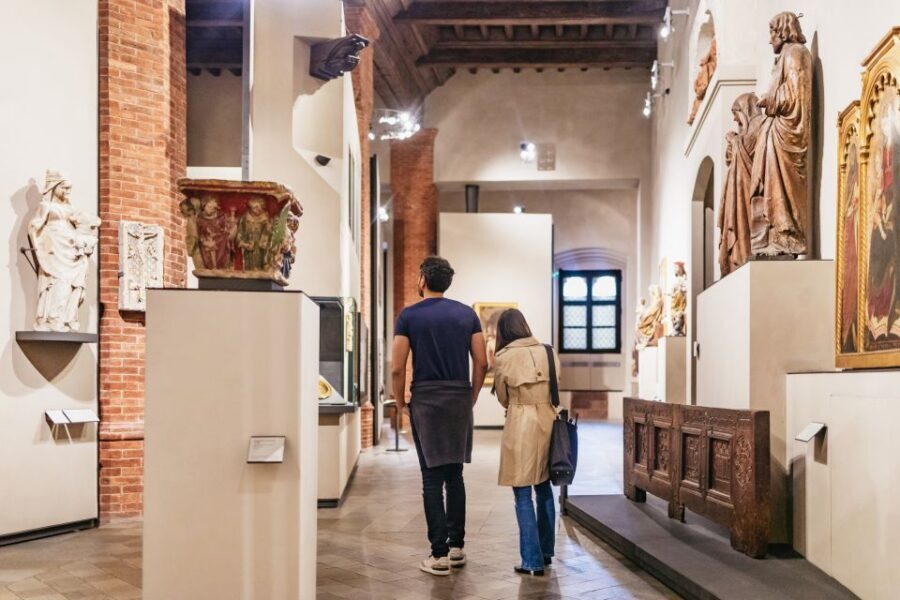
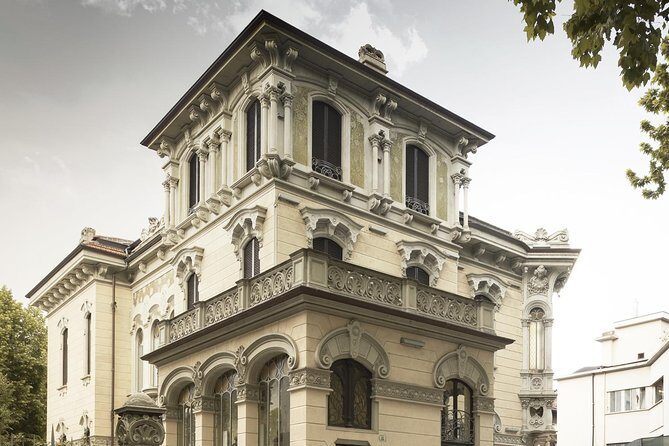
Palazzo Madama isn’t just where you buy a ticket and look at art. It’s a building that tells you how Turin kept redefining itself. You’ll pass through a place that started as a Roman gate, then became a fortress in the Middle Ages, and later a castle for the Acaja princes. That kind of layering matters, because the museum objects don’t sit in a neutral box—they sit in a container that already has stories built into its walls.
And because the palace is UNESCO-listed, you can feel the extra care around the site. It’s the sort of stop where architecture is part of the experience, not decoration. The museum route is also themed—history, architecture, and collections—so you’re less likely to feel lost or bored halfway through.
I also love the idea that you’re visiting a civic museum housed in a former seat of power. Palazzo Madama hosted the first Senate in the Kingdom of Italy, which gives the building a political weight you don’t get from “just another palace museum.” Even if your focus is art, that context helps you understand why the space is so monumental and formal.
Other Royal Palace and Palazzo Madama tours in Turin
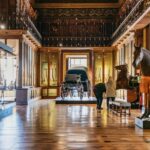

The building’s layers: Roman gate, fortress, Acaja princes, and a senate
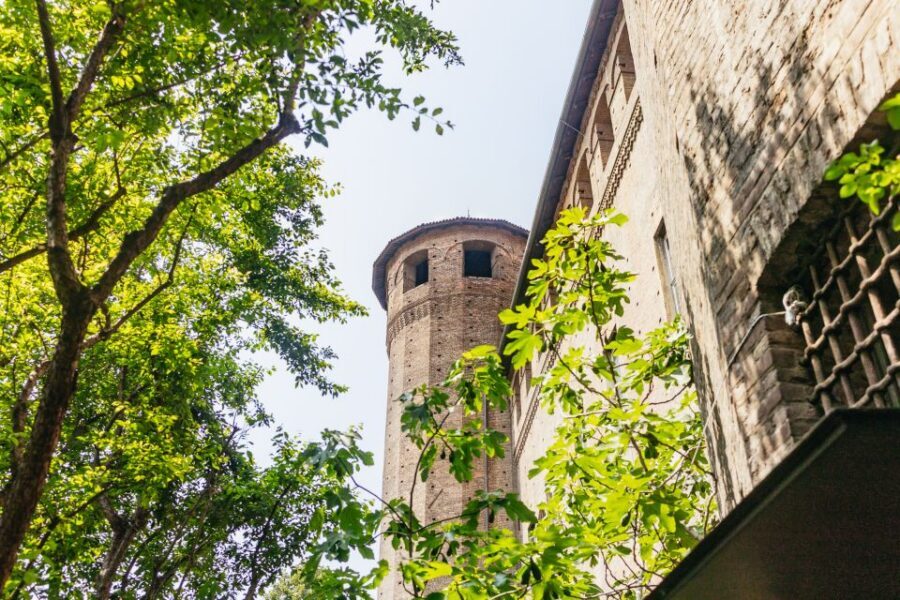
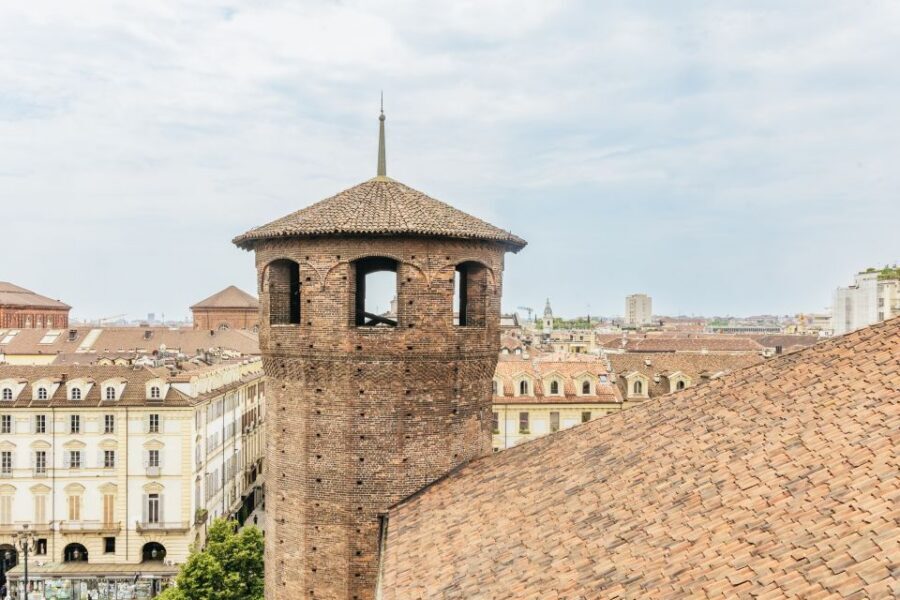
When you arrive, take 5 minutes to notice the structure as more than a backdrop. Palazzo Madama has evolved in visible ways: Roman origins, medieval fortifications, and later transformation into a residence tied to the Acaja princes. That’s a big deal because it changes how you experience the museum rooms. You’re not only seeing European decorative styles—you’re moving through spaces shaped by different eras of defense, status, and governance.
Then there’s the senate detail. The first Senate in the Kingdom of Italy turns this into a site that’s not simply decorative heritage; it’s part of Italy’s state story. For me, that makes the museum feel more grounded. You’re not studying the past in the abstract—you’re standing in a place that had real administrative importance.
Since 1934, the palace has hosted the Civic Museum’s ancient art collections. So the building’s past roles and its present one overlap in a practical way: power and culture were always connected here.
The permanent collection: 70,000+ works and a route built on themes
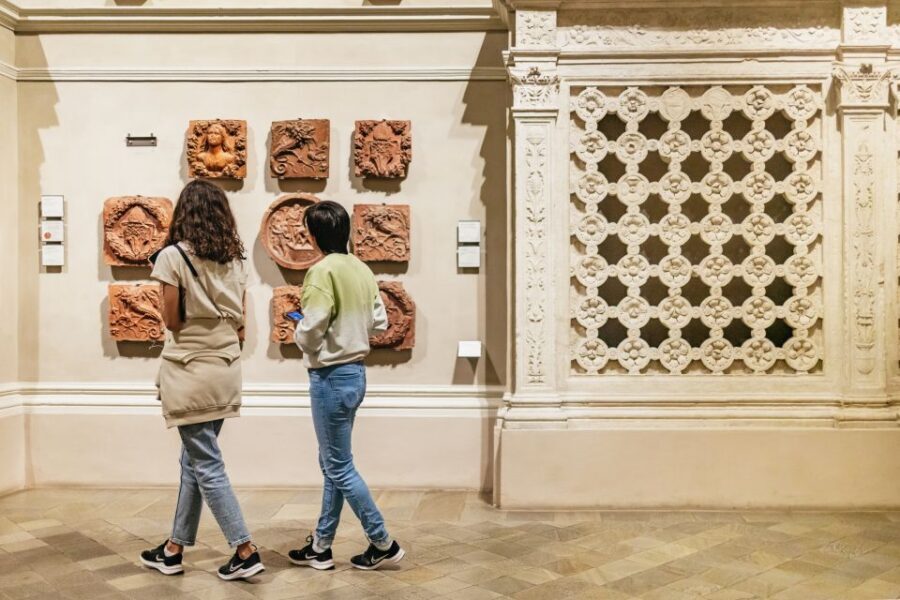
The core ticket gives you entry to the museum’s permanent collection plus the medieval botanical garden. The permanent collections cover the Early Middle Ages all the way to the Baroque period. That’s a wide timeline, and it could overwhelm you—unless the museum route helps you organize it.
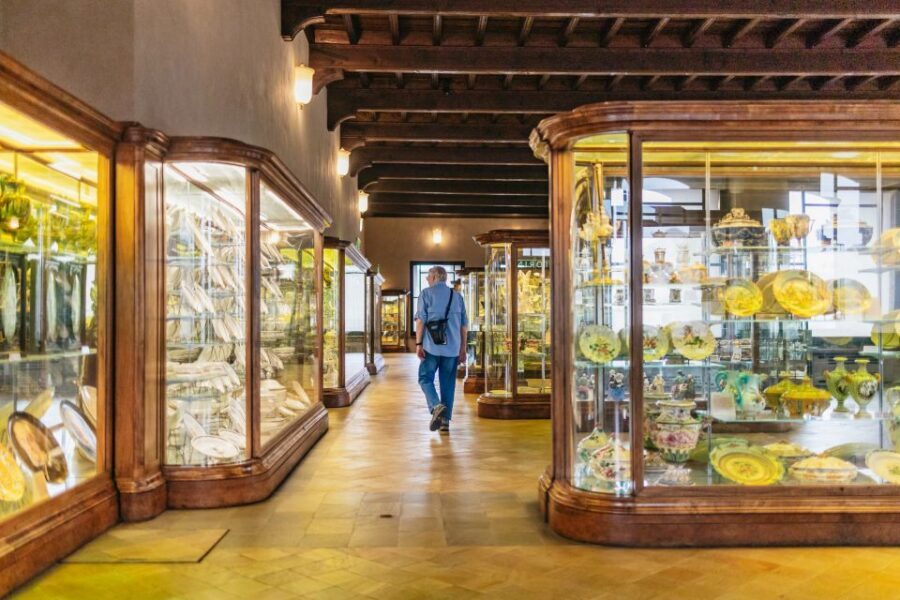
The itinerary follows themes related to history, architecture, and the collections. Translation: you’re less likely to wander randomly among objects from different centuries. Instead, you move through sections that connect art to context. You’ll see a mix of media, not just paintings and sculpture. Expect illuminated manuscripts, metalwork in gold and silver, ceramics including majolica and porcelain, plus furnishings and textiles.
Here’s the practical upside: if your taste is broad, you’ll get a lot of “yes, I didn’t expect that.” If your taste is narrower, you can still enjoy the museum without forcing yourself to absorb everything. Look for names and object types that catch your eye—then come back later for the rest.
Juvarra’s staircase and the panoramic tower: the moment that makes the ticket feel worth it
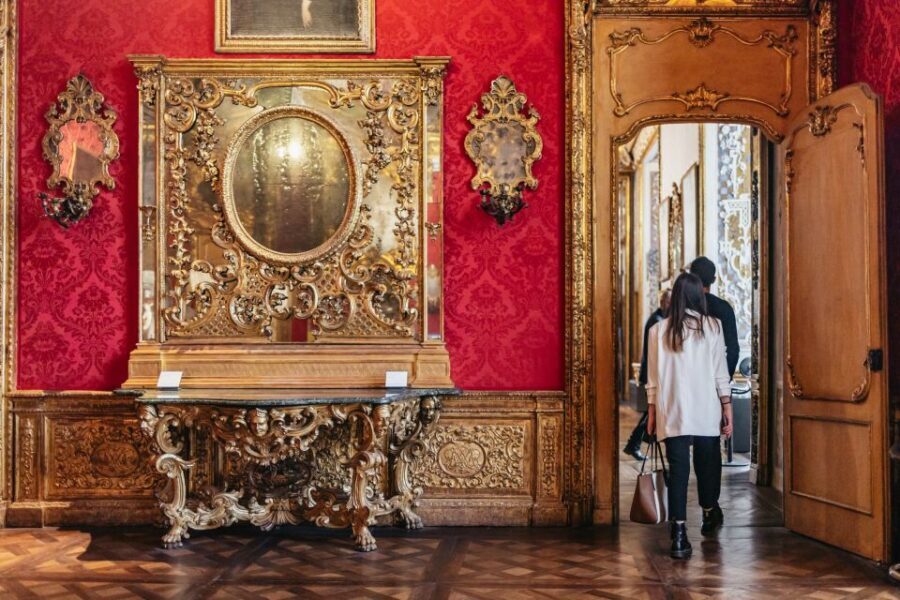
Two experiences are repeatedly the ones that people talk about: Filippo Juvarra’s monumental staircase and the panoramic tower.
Even before you reach the top, the staircase is a statement. Juvarra (a major name in Italian architecture) designed a stairway that feels built for drama. If you like architecture, you’ll probably pause more than once. If you’re focused on art, you still get a good reward: it frames the whole museum as something theatrical and intentional, not just a series of rooms.
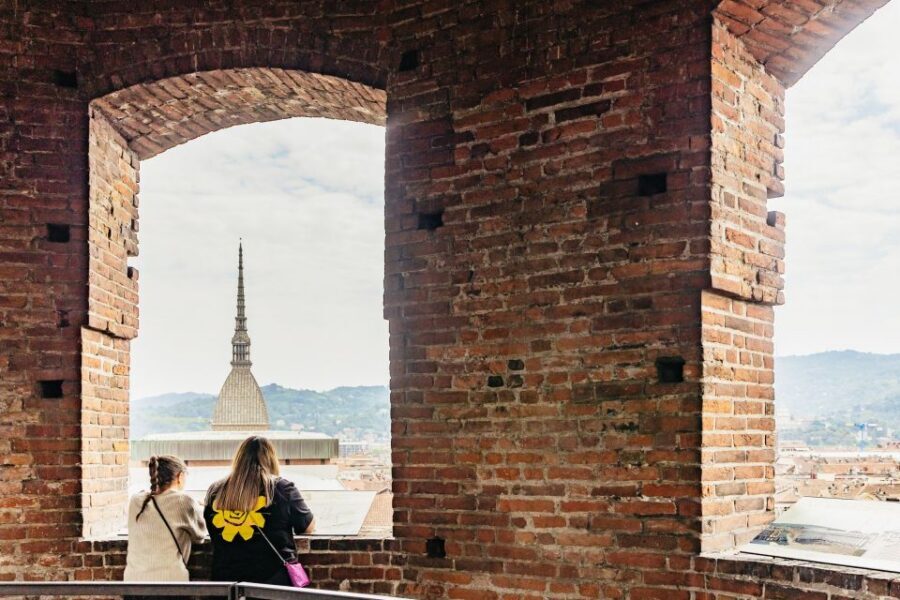
Then there’s the tower. You’re moving from indoor galleries to a viewpoint that changes how you understand the city. In particular, verified visitors have praised how breathtaking the view from the top feels. One visitor named Elene—listed as a verified booking—called the view from the tower breathtaking. Albena, also a verified visitor, said the tower view was amazing and tied it to enjoying the museum more broadly.
My advice: don’t rush the climb or the platform time. The value of a tower view isn’t just seeing landmarks—it’s changing your perspective. Looking down helps you place the palace in the shape of Turin, and that makes your earlier museum context feel more real.
A must-see painting moment: Antonello da Messina’s Ritratto d’uomo
If you want one anchor artwork to help you navigate the scale of the museum, look for Ritratto d’uomo by Antonello da Messina. It’s named as a highlight, and it’s the kind of work that can turn your whole visit into a story rather than a checklist.
Why this matters: museums with huge collections can feel like a blur. A named masterpiece breaks that blur. You can plan your attention around it—arrive, get oriented, and then work toward your anchor piece. After that, everything else feels easier to categorize, because your brain has one “center point” to return to.
Also, when you see a work by a major master like Antonello da Messina, it gives you a better sense of what the museum is doing. This isn’t only about decorative craft or regional styles. It includes the figures and works that shaped European art.
A few more Turin tours and experiences worth a look


Medieval Botanical Garden: the calm break you’ll appreciate more than you think
The ticket includes the medieval botanical garden, and I’m glad it’s part of the offer because it balances the museum’s density.
Museums like this can be heavy on objects, dates, and detail. The garden gives you a different rhythm: open air, walking space, and a slower pace. It’s also a smart way to understand the museum’s broader theme. You’re seeing the palace as a space that once belonged to the rhythms of power and life—not only the display of art.
It’s included right in the same ticket, which is also practical. You don’t have to hunt for another admission or timeline window to get to the garden. When you’re planning a one-day visit in Turin, that matters.
How long you should plan for this one-day ticket
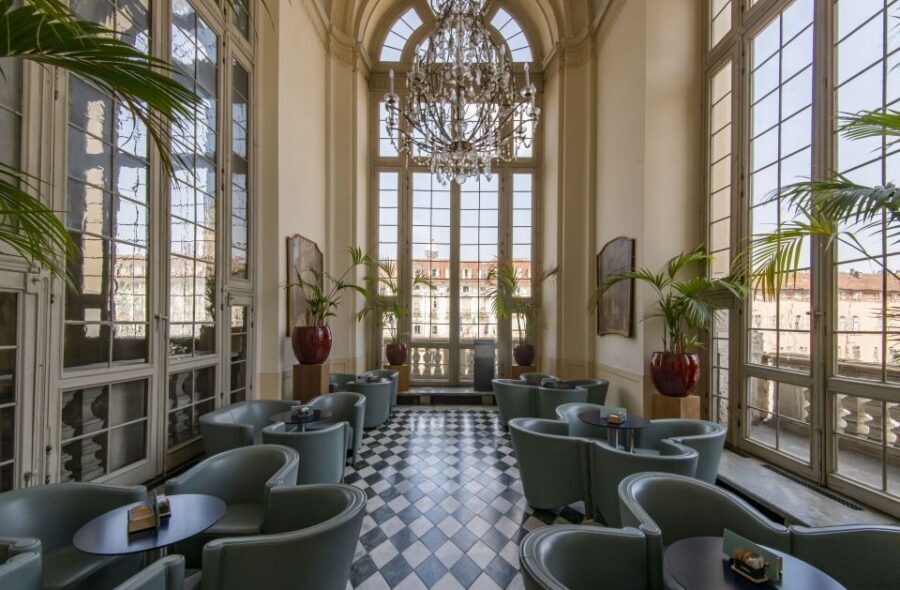
The experience is designed for a 1-day visit. With a ticket that covers the permanent collection and the medieval botanical garden, you’ll want to give yourself enough time to do two things well: look at key works and also take breaks so your brain can keep up.
A good approach:
- Spend your early time orienting yourself with the palace setting and the museum theme.
- Mid-visit, target your anchor highlights (staircase, tower, and any named works like Ritratto d’uomo).
- Save the garden for after you’ve built context, when you’re ready to slow down.
If you try to do everything at a sprint pace, it turns into “see a lot, remember little.” But if you treat the staircase and tower as real milestones, you’ll walk away with stronger memories than just a list of rooms.
Price and value: is $11 per person fair for what you get?
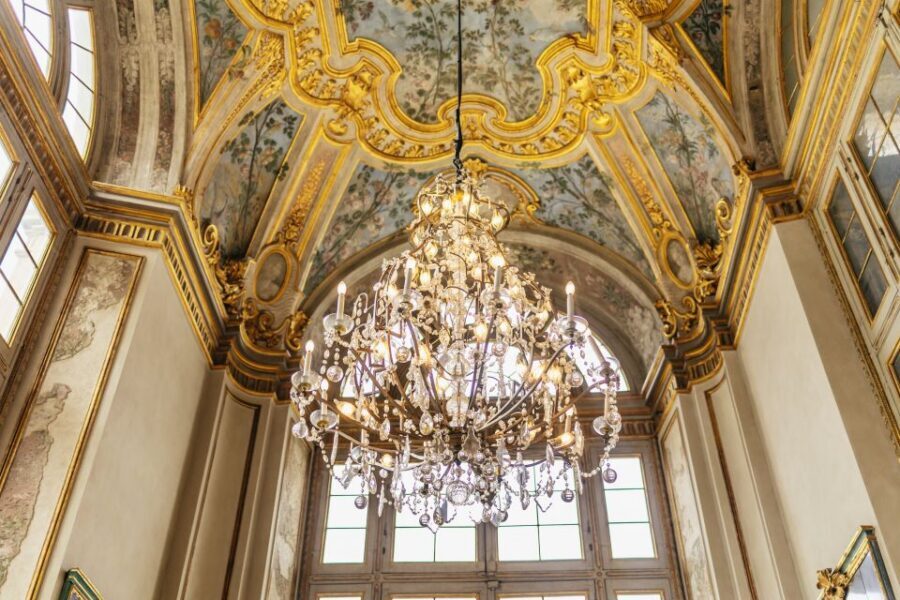
At about $11 per person, Palazzo Madama is one of those Turin bargains that feels better once you see the scope.
You’re paying for:
- Permanent collections covering the Early Middle Ages through the Baroque
- A huge variety of object types (paintings, sculpture, manuscripts, ceramics, metalwork, and more)
- The medieval botanical garden included in the same ticket
That’s a lot of content for the price, especially when the palace itself is part of the experience. The monumental architecture is not a small add-on; it’s one of the named highlights, and you’re getting it in the same visit.
One caution on value: temporary exhibitions are separate. So if you’re planning your day around a specific special exhibit you hope will be on view, confirm it ahead of time. The good news is that the permanent collection and garden are strong even without temporary add-ons.
Temporary exhibitions: how to plan if you’re attracted to special displays
Temporary exhibitions and guided activities aren’t included with this basic ticket. The permanent collection entrance doesn’t guarantee any reduction on temporary-exhibition pricing.
So here’s how I’d plan your day:
- First build your visit around the permanent collection and garden.
- If you see signage for a temporary show that interests you, treat it as an optional upgrade, not a guaranteed part of the ticket value.
One verified visitor named Albena explicitly praised a violins exhibition as very good and said it came with much more. That’s a useful reminder that temporary shows can be worth the extra time and money—but only if you’re open to paying separately.
Practical rules that affect your comfort (and how to deal with them)
A museum visit goes smoother when you know the friction points. At Palazzo Madama:
- Food and drinks aren’t allowed.
- Luggage or large bags aren’t allowed.
- Pets aren’t allowed (assistance dogs are allowed).
- Flash photography isn’t allowed.
If you’re traveling with a small daypack, you’ll likely find it manageable. If you’ve got large luggage, plan on storing it elsewhere so you’re not stuck dealing with restrictions during the visit.
These rules aren’t unusual, but they matter here because the museum is in an active historic building. Movement through stairs and galleries is part of the experience, so anything that adds hassle to your hands or your storage can slow you down.
Who should book Palazzo Madama (and who might want a different day plan)
This is a strong pick if you:
- Like ancient art that spans centuries, not one narrow period
- Enjoy architecture and want the building to be part of what you see
- Want a mix of indoor museum time and outdoor garden calm
- Appreciate a clear set of standout moments, like the staircase and tower
It may not be ideal if you:
- Want only modern-style, hands-on exhibitions (this is built around collections and historic objects)
- Are hoping temporary exhibitions are fully included in the base ticket
Also, if your goal is a quick stop, this palace can still work—but you’ll need to choose priorities. The staircase and tower are the easiest “must do” choices, then add one or two major art anchors.
Should you book Palazzo Madama?
I think you should book Palazzo Madama if you want a single one-day ticket that combines major architecture, ancient art, and the medieval botanical garden without complicated planning. At $11 per person, you’re getting real scope: over 70,000 works in the permanent collection, plus the garden, in a UNESCO palace that itself has layers from Roman times to the Kingdom of Italy.
The only time I’d hesitate is if temporary exhibitions are your main priority and you’re trying to package everything into one ticket with no extra costs. In that case, do a quick check on what’s on view and budget for separate admission.
If you like your travel days with both beauty and context, Palazzo Madama is a smart use of time in Turin.
FAQ
How much does the Palazzo Madama museum ticket cost?
The entrance ticket costs $11 per person.
Where is Palazzo Madama located?
It’s in Turin, in the Piedmont region of Italy.
How long is the experience?
The ticket is valid for 1 day.
What is included with the ticket?
The ticket includes entrance to the museum and the medieval botanical garden.
Are temporary exhibitions included?
Temporary exhibitions (and guided activities) are not included with this ticket.
Is the ticket for the permanent collection a discount for temporary exhibitions?
No. The entrance ticket to the Permanent Collection does not guarantee any reduction on the cost of tickets for Temporary Exhibitions.
Is Palazzo Madama wheelchair accessible?
Yes, the experience is wheelchair accessible.
Are food and drinks allowed inside?
No, food and drinks are not allowed.
Can I cancel for a full refund?
Yes. You can cancel up to 24 hours in advance for a full refund.