REVIEW · TURIN
Discovering Piedmontese wines in the heart of Turin.
Book on GetYourGuide →Operated by Cultura Liquida · Bookable on GetYourGuide
Four wines, zero stress, right in Turin. This Piedmont tasting turns a break from sightseeing into a guided lesson on local terroir and winemaking tradition. You sit down, relax, and learn what to look for in the glass instead of just taking a sip.
I love the professional sommelier guidance, because the explanations stay practical, not textbook-y. I also love that the tasting is built around four traditional wines plus an extra surprise to keep things fun.
One consideration: the tour is Italian-only, so come ready to follow along with the guide’s pace (and good vibes). If your Italian is limited, it still can work, but you’ll get more if you’re comfortable with basics.
In This Review
- Key highlights worth planning around
- Piedmont wine in Turin: the easy “off switch” after sightseeing
- Finding the tasting room near Porta Nuova (and why it matters)
- Inside the tasting: what a 1.5-hour session feels like
- Four wines plus a surprise: how to get the most out of the flight
- The sommelier’s tips: the real value beyond the glasses
- Breadsticks, water, and the pairing tips you can use right away
- What Piedmont’s winemaking traditions mean in the glass
- Price and value: is $55 fair for 1.5 hours?
- Who this tasting suits best (and who might skip it)
- Should you book this Piedmont wine tasting in Turin?
- FAQ
- How long is the Piedmontese wine tasting?
- How many wines will I taste?
- What does the ticket include?
- What is the price per person?
- Who guides the tasting?
- Is the tour offered in English?
- Where is the meeting point?
- Do I need to wait in line?
- Is it wheelchair accessible?
- What is the cancellation policy?
Key highlights worth planning around
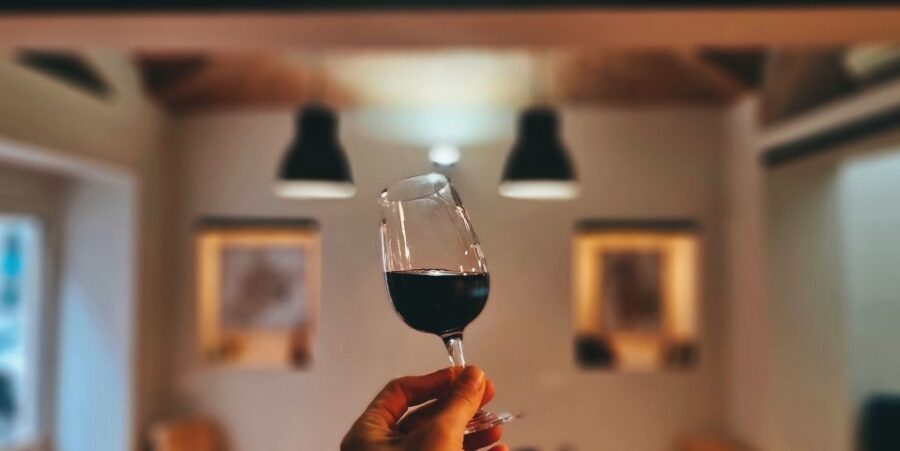
- A sommelier-led tasting of four traditional Piedmont wines plus a surprise
- Tips you can use for tasting and buying wine the next day
- A Piedmont focus: techniques, terroir, and why these wines taste the way they do
- Water and breadsticks included to keep your palate steady
- A practical Turin location near Porta Nuova and major central sights
Piedmont wine in Turin: the easy “off switch” after sightseeing
Turin is a city where you can spend the day bouncing between architecture, museums, and long walks. Then you hit the wall. This tasting is a clean, simple reset: sit, breathe, and let someone else do the heavy lifting.
Piedmont is one of Italy’s best-known wine regions, and that matters for you even if you’re not a wine nerd. When a region has a strong reputation, you get a chance to taste wines that reflect real local habits—what grapes like there, how producers work with the climate, and what makes the flavors feel consistent. This experience is built around that idea.
You’re also getting structure. In 1.5 hours, you don’t just drink—you learn what you’re tasting and why it’s worth your attention. That makes the time feel more valuable than a random bar stop.
Other wine tastings and winery tours in Piedmont

Finding the tasting room near Porta Nuova (and why it matters)
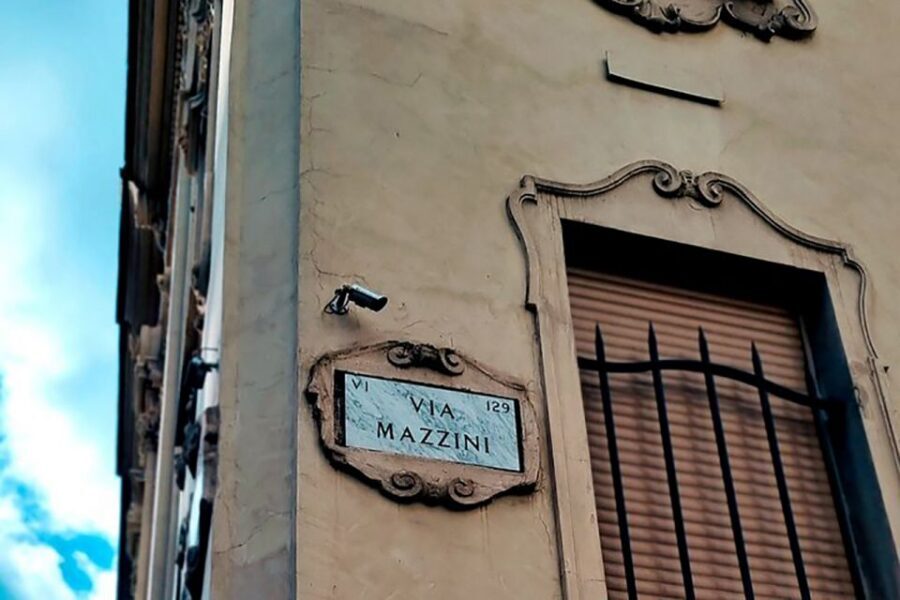
The meeting point is right by major central landmarks. The office is a few steps from Porta Nuova train station, plus close to Piazza Vittorio Veneto, Piazza Bodoni, and Via Roma.
Why I think that location is smart: it keeps you from turning your “wine stop” into a mini expedition. If you’re already sightseeing near Via Roma or finishing up around Porta Nuova, you can fit this in without a long commute.
Also, you can plan around your day. Do this after an afternoon of walking, or pair it with an evening when you don’t want more museum time. It’s the kind of activity that works because it’s near the places you’ll already be.
Inside the tasting: what a 1.5-hour session feels like
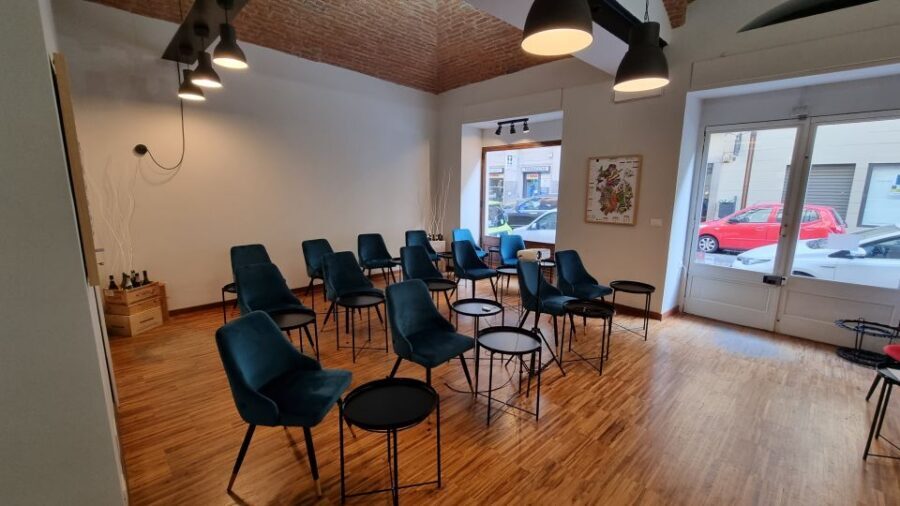
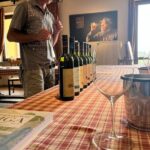
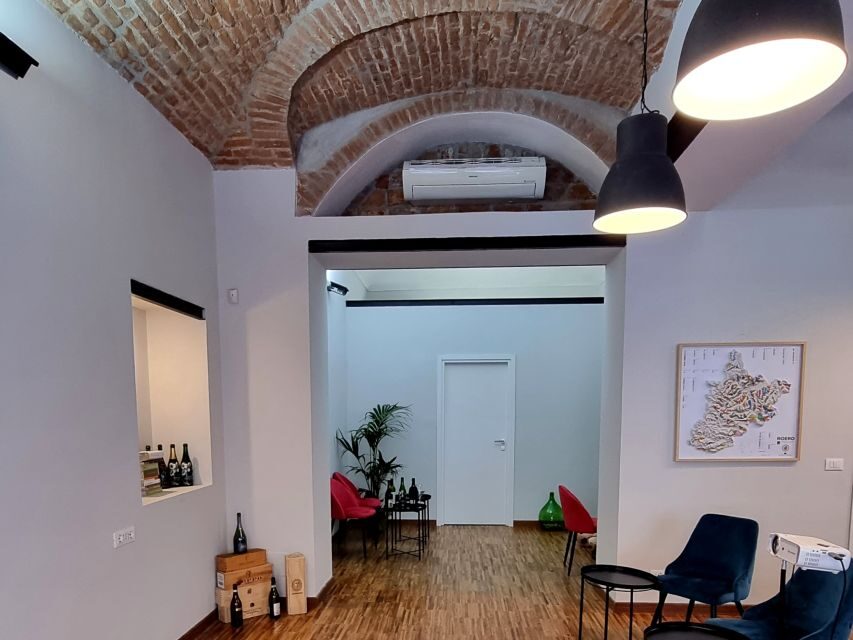
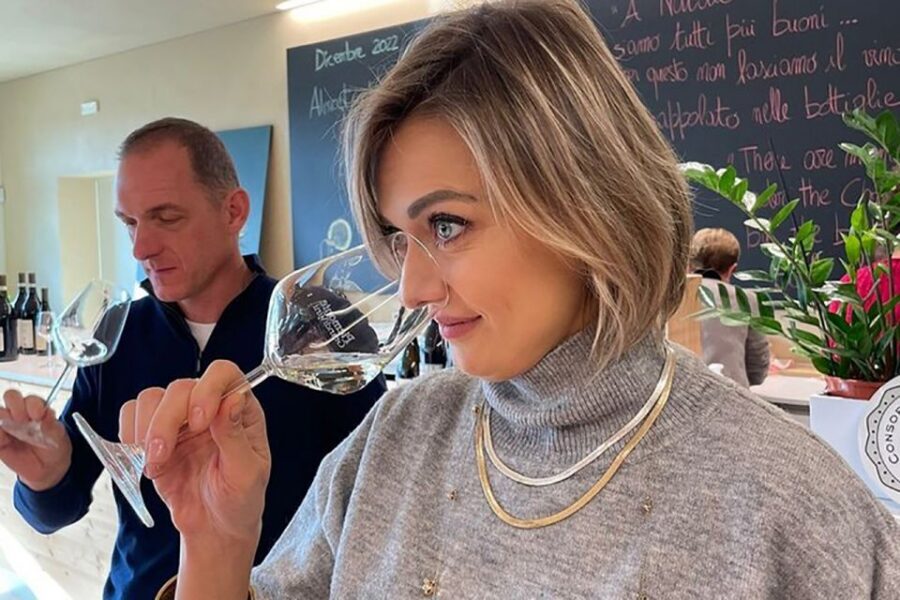
This is a seated tasting in a tasting room, guided by a professional sommelier. The whole format is designed to be relaxing—more like a friendly lesson than a formal lecture.
Your session is focused on:
- Tasting four traditional local wines
- A +1 surprise element
- Learning the background: history and winemaking traditions
- Getting advice on tasting techniques and how to choose bottles
You’ll also have water and breadsticks during the tasting. That sounds small, but it matters. Water helps you clear your palate between pours, and breadsticks give you something familiar and simple that keeps the tasting from feeling too intense.
The tone is also practical. The goal isn’t to impress you with jargon; it’s to help you notice details and make sense of them.
Four wines plus a surprise: how to get the most out of the flight
You’ll taste four traditional wines from Piedmont, and you should expect an extra surprise as part of the experience. The booking details also state that the package includes 4 glasses of wine, so the surprise is likely handled within that tasting flow. Either way, the structure is clear: you’re tasting more than four standard pours, but the core set is four.
Here’s how you can make this work for you, even if you don’t know your wines yet:
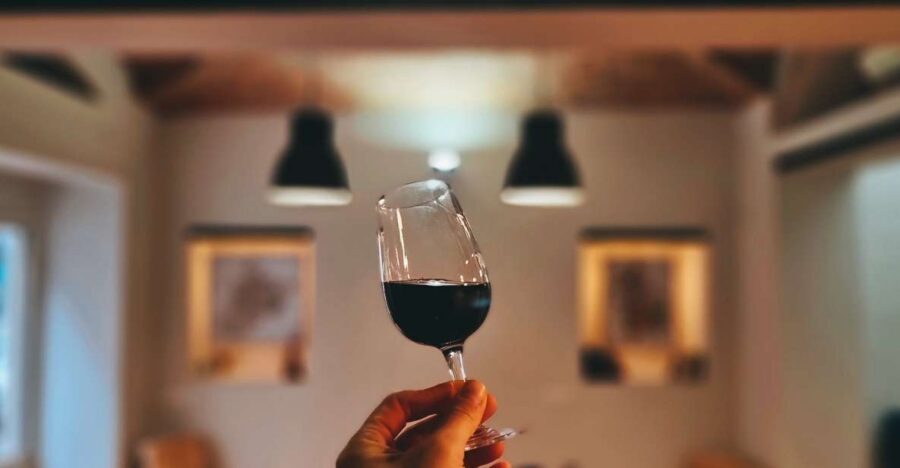
- Start with what you can sense fast: color, aroma, then taste.
- Take notes in your head, not in your phone—one quick word per wine (like fruity, dry, spicy, or floral).
- Ask one “why” question when the sommelier pauses: Why does this one taste different? What makes it Piedmont?
Even in a short tasting, you’re training your ear and tongue to recognize patterns. That’s what turns “I liked it” into “I can find this again.”
And that surprise element helps. It keeps you from guessing the tasting would feel predictable. You get at least one moment where your expectations shift, which is often the point of wine learning.
The sommelier’s tips: the real value beyond the glasses
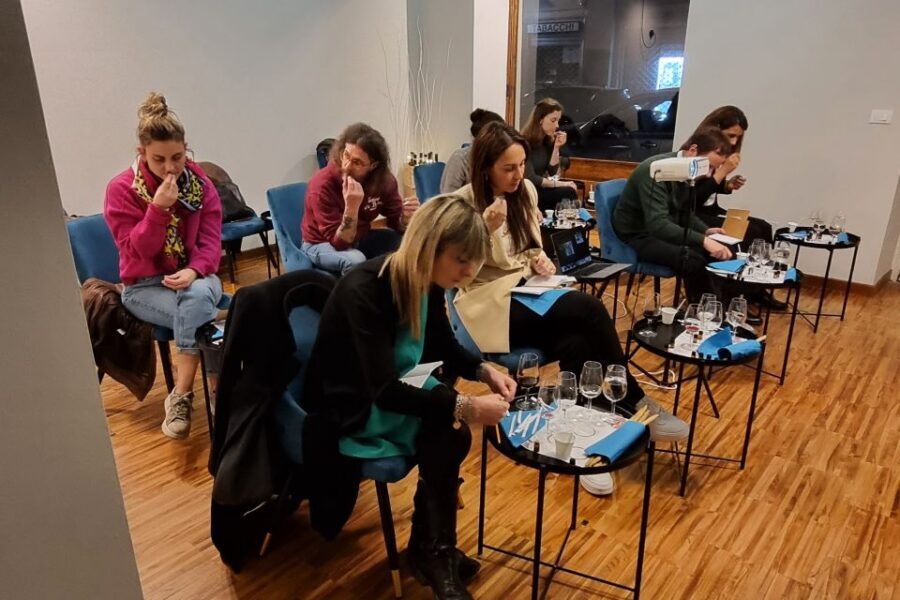
Lots of wine tastings pour drinks. This one also aims to change how you taste and buy.
You’ll get guidance on tasting techniques—the kind of advice that helps you:
- notice aromas without overthinking them
- understand how winemaking choices affect the final flavor
- connect a wine to a moment (the right occasion, the right plate, the right mood)
The experience is also explicitly about learning how to select the perfect bottle for every occasion. That’s not just marketing language. When you’re traveling, you often face the same problem: you see a bottle you don’t recognize, and you want to pick something that won’t disappoint you back at dinner.
A good sommelier helps you build a quick decision method. Something you can carry into a shop later—like what to look for on the label, what to ask for, or how to match flavor style to the meal you’re planning.
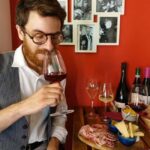
Also, the guides matter. One confirmed guest highlighted that their guide, Julia, brought both knowledge and a truly entertaining vibe. That’s a good sign for you: when the guide is engaging, you’ll actually remember what you learn.
Other wine tours in Turin


Breadsticks, water, and the pairing tips you can use right away
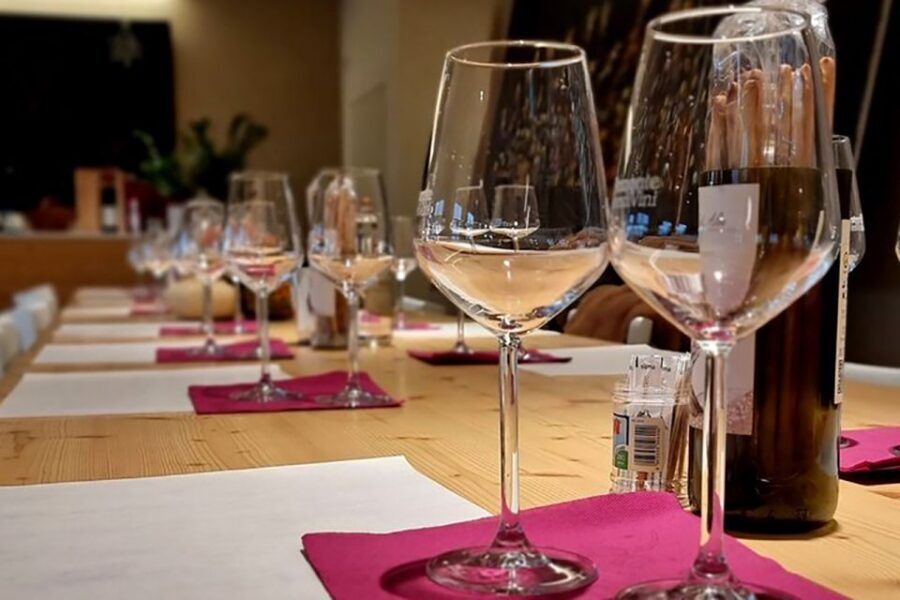
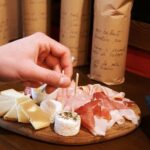
This experience includes natural mineral water and breadsticks. That’s not just “extra.” It supports the main event: tasting multiple wines in a row.
Breadsticks are simple, salty, and neutral enough to reset your palate between pours. Water keeps things fair. Without that, tasting four wines can blur together fast.
You’ll also hear best pairing suggestions during the session. Even if you don’t run out and order wine-matched dinners immediately, the pairing logic is useful. You’ll start to understand what styles of wines work with what kinds of food.
Practical tip: after the tasting, use what you learned to build one easy rule for your trip. For example, choose a wine style based on whether your next meal is more savory, more rich, or more delicate. That way, you’re not buying blindly.
What Piedmont’s winemaking traditions mean in the glass
Piedmont’s wines are known worldwide, and this tasting treats the region like a real place with a distinct approach. You’ll hear about the history and winemaking traditions, plus how Piedmont’s terroir shapes the results.
Even if you don’t remember every detail, the “why” behind the flavors is what sticks. You start noticing that wines from a region often share underlying traits, not because they’re identical, but because producers respond to the same land and climate.
So instead of tasting as a random sequence of drinks, you taste as a storyline:
- What the land gives
- How producers respond
- How those choices show up in aroma and flavor
That’s the real win here. It’s education with a payoff: you leave with a better sense of what to look for later.
Price and value: is $55 fair for 1.5 hours?
This experience costs $55 per person and lasts 1.5 hours. It includes 4 glasses of wine, plus water and breadsticks, and it’s guided by a sommelier in a tasting-room setting.
Here’s how I’d think about value as a traveler:
- If you pay for wine alone in a bar, you might get a drink or two and still miss the explanation.
- Here, you’re paying for guided tasting time and structured learning. That’s the part that turns the price into something more like a class.
- The short duration is also a plus. You’re not committing to a long excursion when your energy is running low after sightseeing.
So is it cheap? No. But it’s also not overpriced for what you receive: guided tasting, multiple pours, and practical advice you can actually use.
If you’re the type who likes your travel experiences to teach you something small but useful, $55 can feel like good spending.
Who this tasting suits best (and who might skip it)
This works especially well if you:
- are in Turin and want a Piedmont focus without complicated planning
- like hands-on learning while traveling
- enjoy tasting multiple wines in a short, friendly setting
- want practical help picking bottles for meals
You might consider skipping it if:
- you strongly prefer wine tastings that are completely language-free (this one is Italian)
- you only want one quick glass and don’t care about tasting technique or pairing advice
- you’re already fully confident in wine and feel you’d rather spend your time on something else
That said, even if you’re a beginner, the format is designed to guide you through what to notice. The biggest limiter is the language.
Should you book this Piedmont wine tasting in Turin?
I’d book it if you want a calm, guided introduction to Piedmont wine that you can connect to real choices during the rest of your trip. For $55, you’re getting a real tasting session with 4 wine glasses, plus water and breadsticks, and you’ll leave with tips that make bottle shopping easier.
If your Italian is a concern, check your comfort level first. But if you’re fine following a guide and learning by listening, this is an excellent use of an evening or post-sightseeing break.
Also, with a 5-star rating across four verified bookings, the odds are strong that your experience will feel lively and well guided—especially if the sommelier is someone like Julia, who was praised for being entertaining and informative.
FAQ
How long is the Piedmontese wine tasting?
The experience lasts 1.5 hours.
How many wines will I taste?
You’ll taste four traditional local wines from Piedmont, plus an additional surprise.
What does the ticket include?
It includes natural mineral water, breadsticks, and 4 glasses of wine.
What is the price per person?
The price is $55 per person.
Who guides the tasting?
A professional sommelier leads the experience.
Is the tour offered in English?
The experience takes place in Italian.
Where is the meeting point?
The office is a few steps from Porta Nuova train station, Piazza Vittorio Veneto, Piazza Bodoni, Via Roma, and other historical spots.
Do I need to wait in line?
You skip the ticket line.
Is it wheelchair accessible?
Yes, the experience is wheelchair accessible.
What is the cancellation policy?
You can cancel up to 24 hours in advance for a full refund.