REVIEW · TURIN
Easy Wine Tasting in Turin City Center
Book on GetYourGuide →Operated by Slow Travel · Bookable on GetYourGuide
Sips beat jet lag fast in Turin. This one-hour tasting is fun because you sample four Piedmont wines and get a printed guidebook to follow as you go, plus the snack pairings keep it relaxed and satisfying. One drawback: it’s not a long, in-depth course, so if you want serious technical lectures, you’ll feel the time limit.
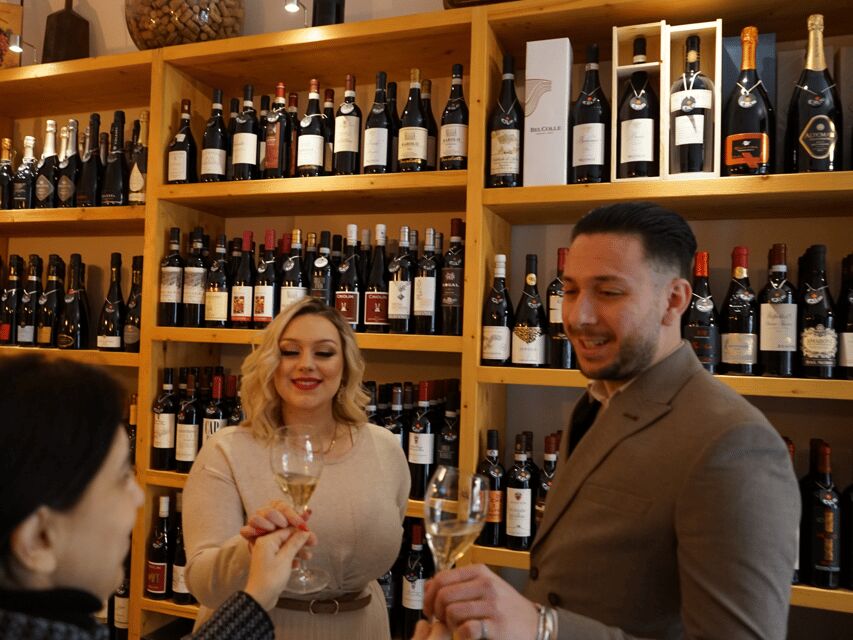
I also like the pacing: you’re not rushed, and the host answers questions as they come up. The setting is simple and welcoming, with music playing, and the group is limited to 8 people—so you actually get to interact.
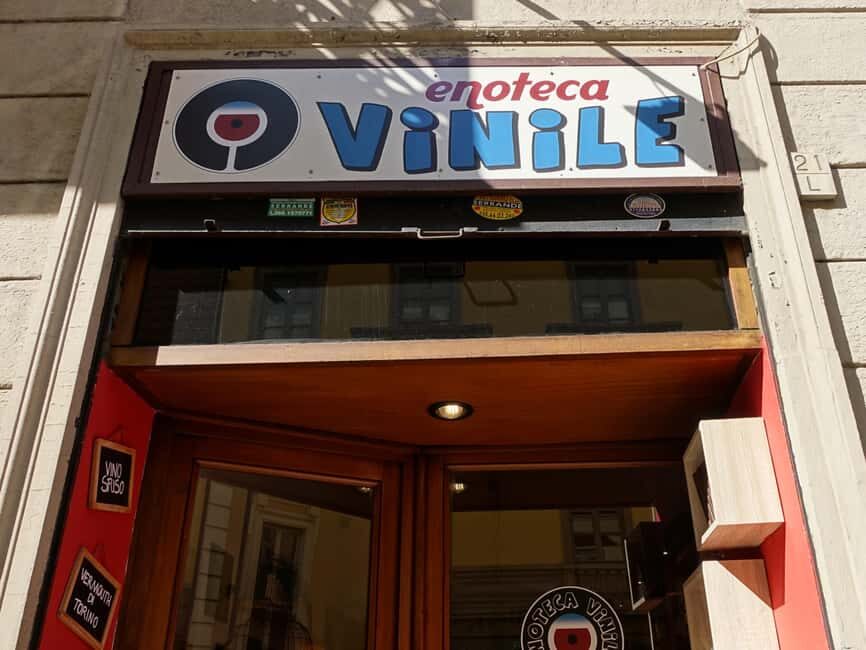
Last thing to know: it’s designed for people who want a calm tasting in the center of Turin, not a big production with a dedicated live guide. You meet at a small boutique wine bar/shop with a vinyl sign, about 10 minutes walking from the Royal Palace, and you end back at the same spot.
In This Review
- Key things to love in this Turin Piedmont wine tasting
- Entering the Piedmont mood: where the tasting starts near the Royal Palace
- The one-hour flow: welcome, four pours, and snack pairings
- What you’ll actually taste: the Piedmont lineup across sparkling, whites, and reds
- The printed guidebook: why self-paced wine learning works here
- Pairing cheese and cured meats like a Piedmont pro
- Who this tasting is best for (and who might want something else)
- Price and value: what you’re really paying for
- Practical tips so your hour goes smoothly
- Should you book this Piedmont tasting in central Turin?
- FAQ
- How many wines are included in the tasting?
- What food is included with the wine tastings?
- Is there a dedicated live guide during the experience?
- How long is the tasting, and what languages are offered?
- Where do I meet in Turin?
- Is this experience suitable for everyone?
- Is free cancellation and pay later available?
Key things to love in this Turin Piedmont wine tasting
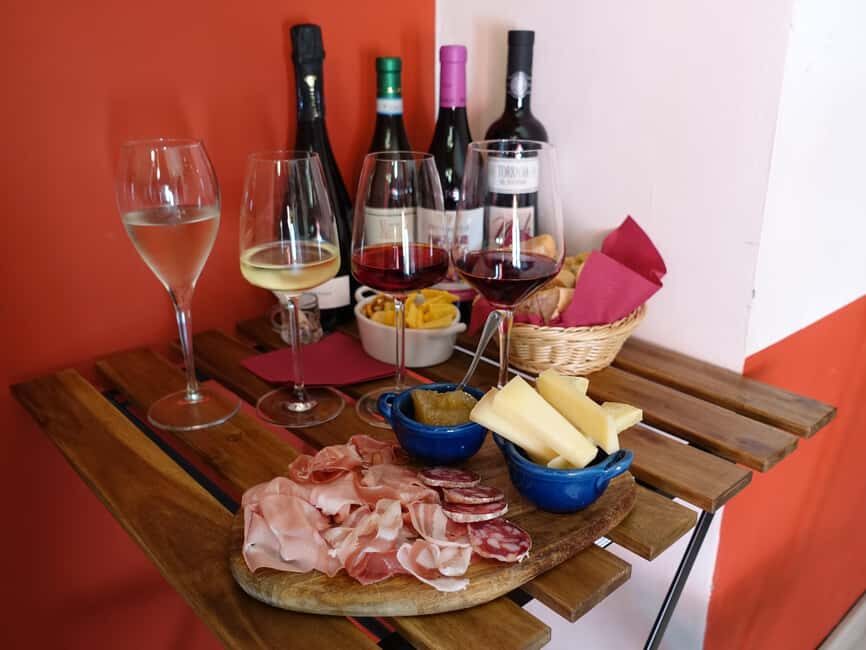
- Four wines in one hour, typically spanning sparkling, white, and red
- A printed guidebook with tasting notes and winemaking background, so you can read at your own pace
- Local cheese and cured meat plus bread or grissini to match each wine
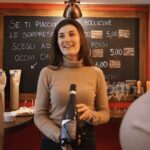
- Friendly host/greeter in English and Italian who can answer questions
- Small group size (up to 8), which keeps the experience personal
Entering the Piedmont mood: where the tasting starts near the Royal Palace
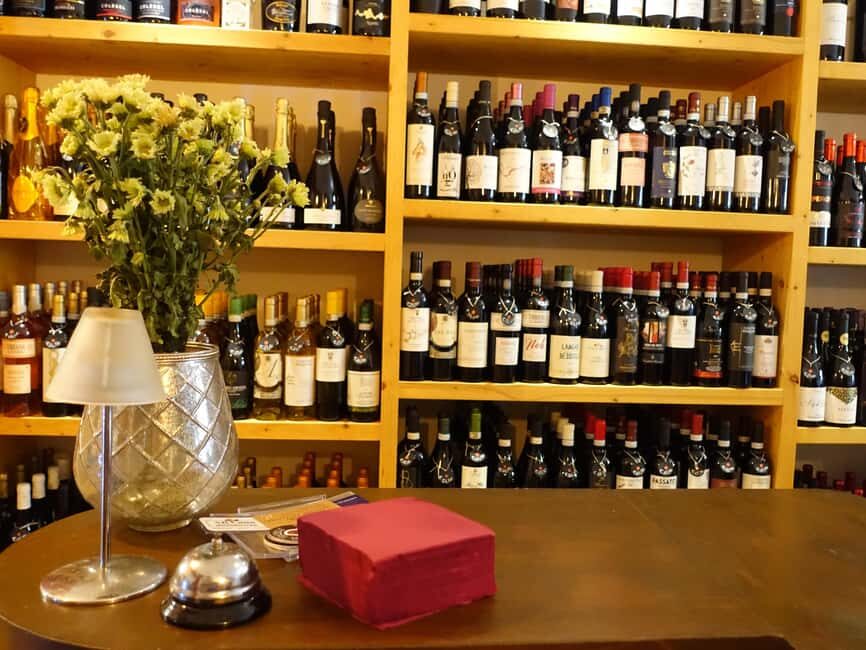
This tasting is built for convenience. You meet at a small boutique wine bar/shop with a vinyl sign, and once you find the place, you walk right in, show your ticket, and start. The location is only about a 10-minute walk from the Royal Palace, so it’s easy to slot into a day of sightseeing without burning time on transit.
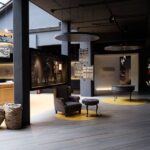
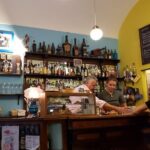
The bar itself is part of the appeal. It’s comfortable and welcoming, not formal, and you’ll hear music in the background. That combination matters because wine tastings can go two ways: either super loud and chaotic, or so quiet you feel like you’re in a lecture hall. Here, the vibe is more “hang out and learn a bit,” which is exactly what you want after walking around Turin all morning.
Also, because the meeting point is fixed and the tour ends where you start, you don’t have to worry about late-day logistics. You can keep your evening plans simple: finish the tasting, and head straight to dinner nearby.
Other wine tastings and winery tours in Piedmont
The one-hour flow: welcome, four pours, and snack pairings
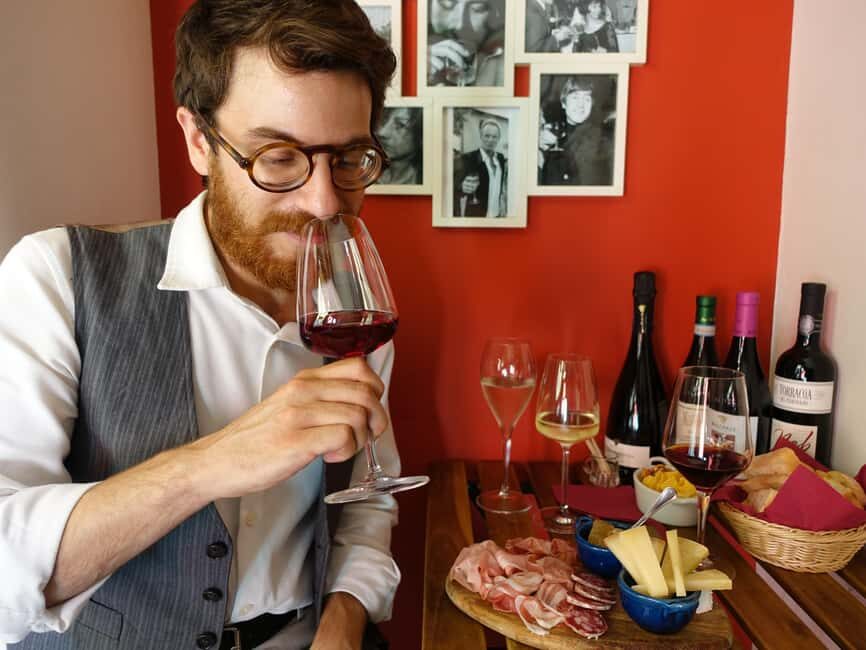
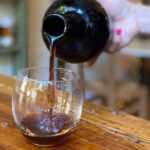
The structure is straightforward, and that’s good. After you show your ticket, the host welcomes you and begins serving tastings of Piedmont wines. Then you settle in for a focused hour where you’ll move through four different bottles or styles.
As you taste, food shows up as part of the experience, not as an afterthought. You’ll have a platter with local cold cuts and cheese, plus bread or grissini. That’s a practical choice: Piedmont is not shy about flavor, and wine works better when you have something salty and fatty to balance it.
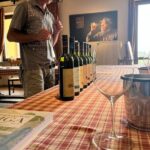
You also follow along with your own printed guidebook. Instead of someone talking nonstop for an hour, you get the freedom to read the background and tasting notes while you sip. That keeps the pace calm and lets you go back to what you missed without asking anyone to repeat it.
Two more details that shape the experience: the group is small, and the host is there for questions. In other words, you’re not stuck guessing whether your questions are “too basic.” If you wonder how one grape differs from another, or why a certain style works with a certain snack, you can ask.
What you’ll actually taste: the Piedmont lineup across sparkling, whites, and reds
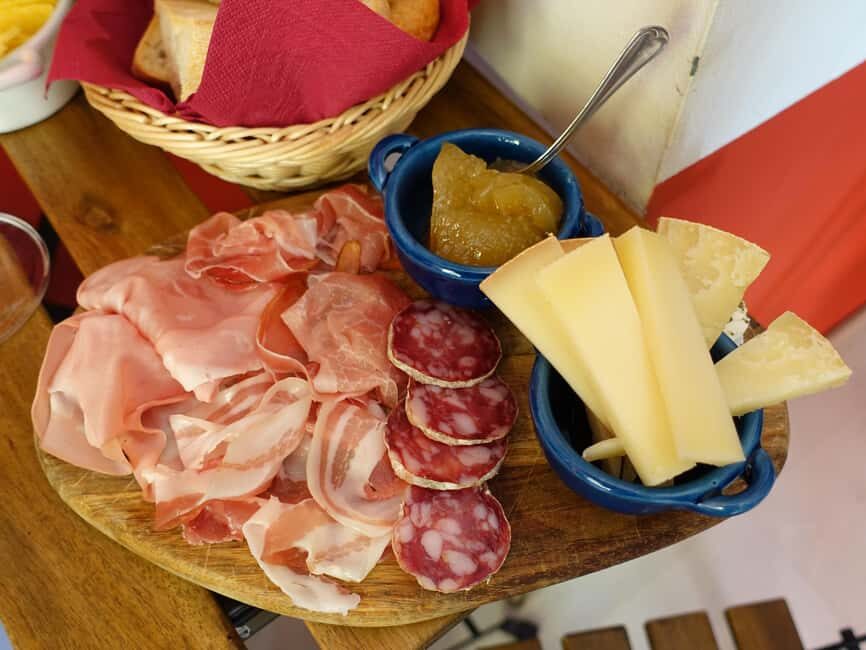
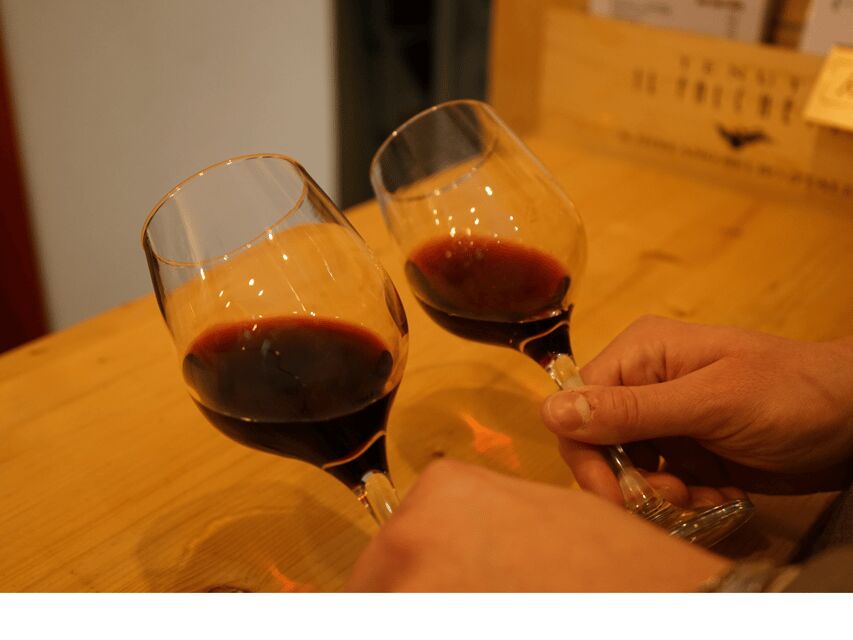
You’ll taste four wines from Piedmont, and the host selects from local options. The exact lineup can vary, but you can count on a spread across styles—sparkling, crisp whites, and reds with structure.
For sparkling, you might run into Alta Langa. This is a Piedmont sparkling wine that represents the region’s ability to make finesse, not just party bubbles. In a tasting like this, it’s a great first pour because sparkling cuts through the food and resets your palate quickly.
For whites, the host may include grapes like Erbaluce and Arneis. Erbaluce is often chosen when you want something refreshing and aromatic without tasting bland. Arneis tends to bring a lively, crisp character—exactly what you need before you move into the heavier cheese and cured meat flavors.
For reds, Piedmont is the home of a few famous names, and you may taste wines connected to Nebbiolo, Barbera, and Roero Riserva. Nebbiolo is the grape behind Barolo and Barbaresco, and it’s famous for structure and personality. Even if you’re not ordering Barolo tonight, tasting Nebbiolo in a small format helps you understand why people build entire wine trips around it.
Barbera is the other red style you might taste. It tends to feel more fruit-forward and approachable than Nebbiolo, which makes it a nice bridge between lighter whites and more intense reds. If you get Roero Riserva, you’ll also see another classic Piedmont pathway for aging and elegance.
Here’s the practical takeaway: you won’t just be drinking four random glasses. The lineup is set up so you experience how Piedmont can go from crisp and lifted to structured and aging-capable within a single hour.
The printed guidebook: why self-paced wine learning works here
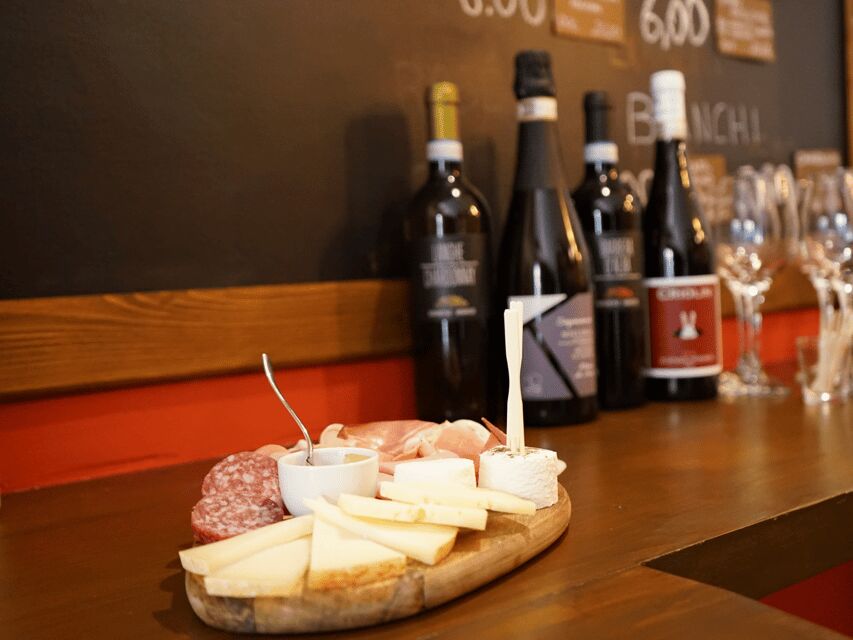
One of the best parts of this experience is the format. There’s no dedicated live guide doing an uninterrupted monologue. Instead, you get a printed guidebook with information on each wine, plus tasting notes and winemaking heritage context.
That matters because it’s easier to learn when you control the pace. You can read a short section, take a sip, then decide if you want to read more. If something doesn’t click, you don’t feel pressured; you just move on and come back later.
The guide also helps you connect the wine to the region. Piedmont’s climate, geography, and long traditions shape the grapes you taste. When you understand that link, you start noticing patterns—why certain wines feel more suited to food, why some taste better chilled, and why reds can taste both powerful and refined.
Even better, you’re not stuck with the guide alone. The host/greeter can respond to your questions. That combination—reading plus a real person you can ask—makes it easier for beginners and still useful for wine-curious folks who want quick clarity.
And yes, the guides help with the “I don’t want to be talked at” crowd. If you want a relaxing tasting that doesn’t turn into homework, this format fits.
Pairing cheese and cured meats like a Piedmont pro
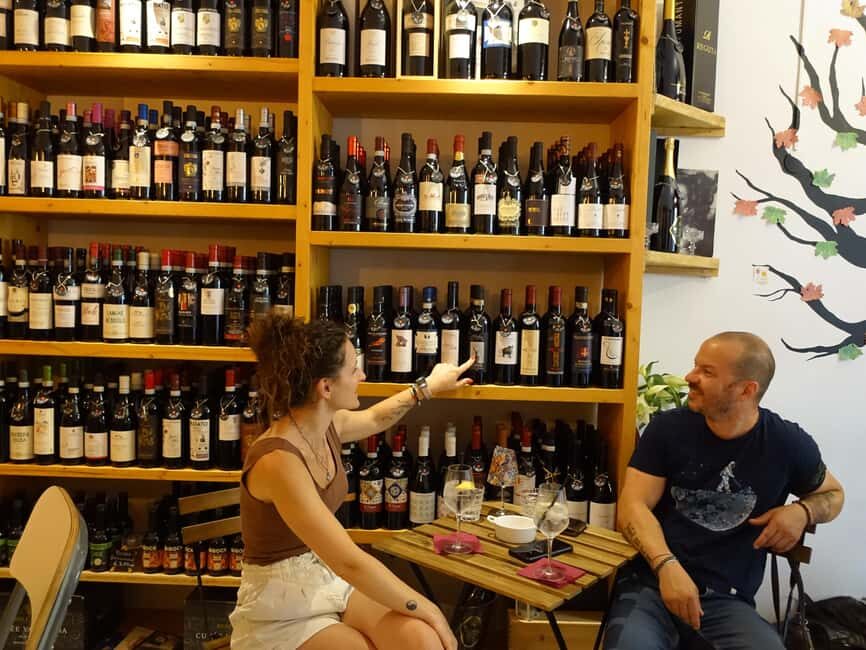
Food here is simple and local: cold cuts, cheese, bread or grissini. The goal isn’t gourmet artistry. It’s balance.
You’ll likely start with something lighter while you taste whites and sparkling. Cheese and cured meats can be salty, fatty, and savory, which can either overpower wine or make it taste better—depending on the pairing. The host chooses pairings that aim to match the character of each wine, so you get to compare how the wine tastes before and after the food bite.
Grissini and bread are also smart tools in this setting. They act like palate cleaners and carry flavors without being too intense, which keeps you from getting stuck in one taste mode for the entire hour.
If you’ve ever had wine where the food seemed like an annoying distraction, this setup is designed to avoid that. The food is part of the tasting arc, not a random add-on.
Other food & drink experiences in Turin


Who this tasting is best for (and who might want something else)
This experience is built for value and comfort. You’re paying for four tastings, local food pairings, and a printed guidebook, with a friendly host on hand. For $37 per person and a one-hour duration, it can be a strong option if you want a winemaking overview without committing to a half-day tour.
It’s especially good if:
- You’re staying in Turin city center and want a compact activity
- You like learning while you drink, but don’t want a heavy classroom vibe
- You want to taste both white and red styles from Piedmont, including Nebbiolo-linked wines
- You’re traveling with mixed wine interests and want something that works for everyone
It may not fit as well if:
- You want deep technical instruction on viticulture and aging details
- You’re expecting a fully guided, dedicated live tour leader for the entire hour
- You prefer larger, multi-hour tastings with more bottles
One more note: it’s not suitable for pregnant women, based on the activity info.
Price and value: what you’re really paying for
Let’s talk money in a practical way. At $37 for about an hour, you’re not just paying for wine. You’re also getting:
- Four wine tastings (not one or two)
- Local cheese and cured meat plus bread or grissini
- A printed guidebook with tasting notes and winemaking context
- Host/greeter help in English and Italian
If you compare that to standalone wine bars that charge for tastings without food or printed materials, this feels like a “package deal” designed to make the time count. The group size is also capped at 8, which usually helps you feel less anonymous in the room.
You should still manage expectations. This is a relaxed tasting, not a long, deeply technical workshop. But for most visitors who want a genuine introduction to Piedmont wines, it’s a solid trade: pay less than a full private lesson, get enough variety to be meaningful, and enjoy food that actually belongs with the wines.
Practical tips so your hour goes smoothly
Here’s how to make the most of it, based on how this kind of tasting runs.
- Eat a light meal beforehand, but don’t come starving. You’ll get cheese, cured meat, and bread or grissini, yet wine is still wine.
- Pace yourself on the first two pours. Sparkling and crisp whites usually go down easily, and then reds arrive with more structure.
- Use the printed guidebook actively. If something is unclear, check the notes, then ask the host a question. That’s the fastest path to understanding.
- If you’re concerned about language, know that the host/greeter can work in Italian and English. That means you can ask for clarifications in the language you’re most comfortable with.
- Build in a little flexibility about timing. In at least one past experience, an English guide arrived late, but the host still kept things professional and the group moved forward with the tasting.
Finally, keep your plans simple after. This ends back at the meeting point, so you can head to dinner nearby without needing transport.
Should you book this Piedmont tasting in central Turin?
If your goal is an easy, well-paced introduction to Piedmont wine, I’d book it. You get variety (sparkling, whites, and reds), food pairings that make sense, and a printed guidebook you can read as you sip. The small group size and host interaction make it feel friendly, not intimidating.
Skip it if you’re chasing an in-depth, academic wine seminar or you want a long list of bottles. This experience is designed to fit into a day, not to replace a full-day wine course.
If you’re in Turin city center, craving a calm tasting with local flavors and a quick education, this one-hour Piedmont stop is a smart use of time. It’s a good first bite of Piedmont, and it can point you toward what you’ll want to order on your next day in the region.
FAQ
How many wines are included in the tasting?
You taste four wines from Piedmont.
What food is included with the wine tastings?
You get local cold cuts, cheeses, and bread or grissini.
Is there a dedicated live guide during the experience?
No. The experience includes a friendly greeter to answer questions and a free consult to the printed guide, but it does not include a dedicated live guide.
How long is the tasting, and what languages are offered?
The duration is 1 hour. The host/greeter is available in Italian and English.
Where do I meet in Turin?
You meet at a small boutique wine bar/shop with a vinyl sign. It is about a 10-minute walk from the Royal Palace. You enter and show your ticket to the host.
Is this experience suitable for everyone?
It is not suitable for pregnant women.
Is free cancellation and pay later available?
Yes. You can cancel up to 24 hours in advance for a full refund, and you can reserve now and pay later.