REVIEW · TURIN
Museo delle Langhe Entrance Ticket
Book on Viator →Operated by Castello di Grinzane · Bookable on Viator
This is one of those places where the ticket actually matters. You’re not just buying access to walls—you’re walking through a real slice of Piedmont’s food-and-farm world inside a striking castle.
I love how the visit mixes castle architecture with everyday rural life. You’ll see named spaces and themed exhibits, from a historic distillery to blacksmith-style workshops, plus kitchen scenes that connect the building to the region’s traditions.
One thing to consider: the castle is historic, and one comment flagged it as not suitable for disabled visitors. If mobility is a concern, plan for stairs and uneven spots, and consider checking routes before you go.
In This Review
- Key things that make this ticket worth it
- Grinzane Cavour Castle: what the ticket really covers
- Entering the castle: redbrick presence and the Hall of Masks
- Ethnographic museum rooms: distillery, blacksmith work, and old kitchens
- Cavour Regional Enoteca: wine and local products you can add on
- Timing and pacing: how to plan 1 to 5 hours
- Getting there and the English-friendly experience
- Who should go (and who might prefer a different stop)
- Should you book? My practical take
- FAQ
- What does the Museo delle Langhe entrance ticket include?
- How long should I plan for this visit?
- Is the experience offered in English?
- What can I see inside the castle’s museum?
- Can I sample wine during the visit?
- Where is this experience located?
- What are the opening hours?
- Are children allowed?
- Is there free cancellation?
Key things that make this ticket worth it
- Grinzane Cavour grounds + museum access: the ticket gets you inside the castle complex where the exhibits are.
- Hands-on rural workshops: blacksmith and cooper workshops, plus an 18th-century distillery feel built for lingering.
- Hall of Masks context: you get the architecture and the stories behind the rooms (including the painted ceiling panels).
- Cavour Enoteca on site: a wine-and-products stop that’s easy to fold into your route.
- Truffle and food culture details: the exhibit themes connect Alba, wines, and local ingredients.
- Easy Langhe day trip: it’s positioned well for combining with time in nearby Alba.
Grinzane Cavour Castle: what the ticket really covers
This Museo delle Langhe entrance ticket is simple: you pay about $9.75 per person and you get access to the museum spaces and the castle grounds. The visit runs roughly 1 to 5 hours, so you can keep it short if you’re sightseeing fast, or slow down if you like reading exhibit captions and wandering the outside areas.
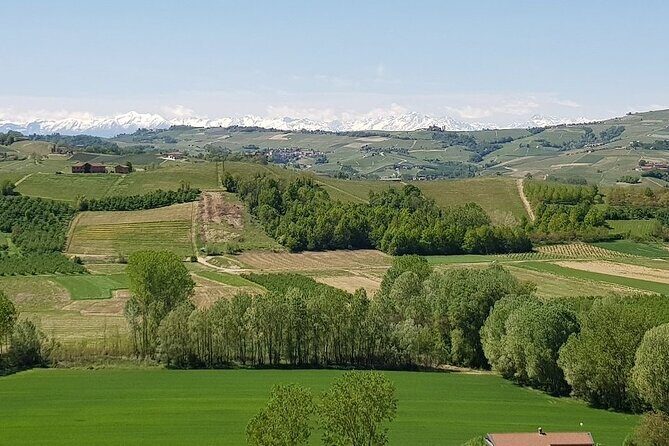
You’re doing this in the Langhe area near Alba, which matters because it changes the feel. Instead of squeezing in one more stop in a city, you get a country setting: castle views, countryside air, and a museum that’s tied to what people actually did here—farm work, winemaking, cooking, and trade.
The experience is offered in English, and it’s set up as a private activity, meaning only your group participates. That usually leads to fewer pacing problems: you can ask questions, and you’re not constantly being pulled along with strangers.
A practical tip: since the ticket includes the museum, don’t treat this as a photo stop only. If you want your $9.75 to feel like value, budget time to actually go through the ethnographic rooms.
Other Langhe and Piedmont countryside tours
Entering the castle: redbrick presence and the Hall of Masks
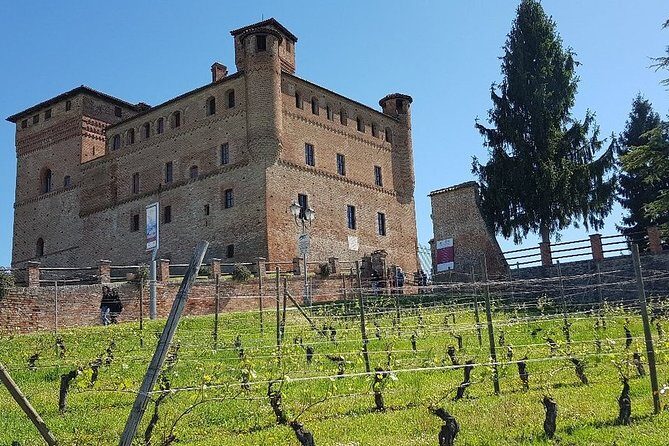
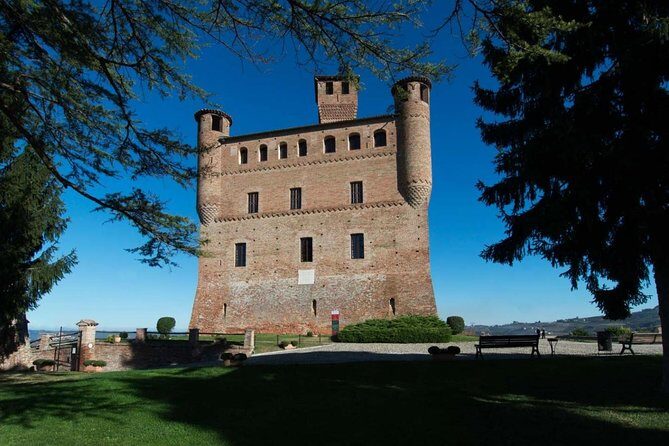
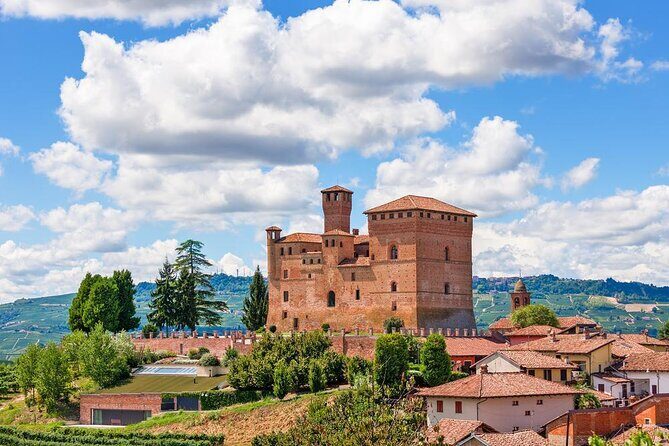
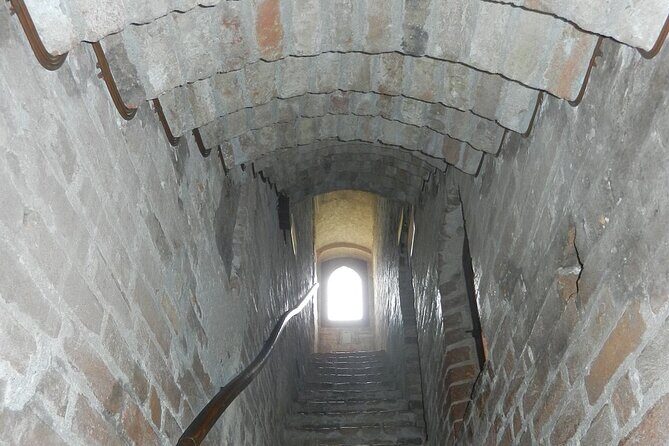
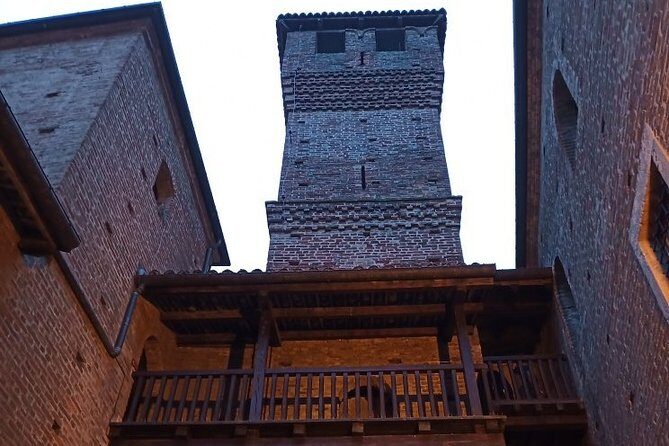
Grinzane Cavour Castle has the kind of look that makes you stop walking. It’s a redbrick, imposing building with a trapezoidal layout and multiple sections arranged around a small main courtyard.
Here’s what makes the architecture more than scenery:
- The castle began in the first half of the 13th century, then changed over time.
- The most recent renovation mentioned for the castle was 1961, tied to the centenary of Italian unification.
- In the 16th century, it added two round turrets—the kind of detail you’ll notice once you slow down and look up from the path.
- The famous Hall of Masks has a coffered ceiling with 157 painted panels from the 16th century.
That “Hall of Masks” detail is more than trivia. It’s your clue that this isn’t just a convenient venue for exhibits—the rooms were built to impress. If you enjoy historic interiors, this is one of the best parts of your visit because it gives you a sense of ceremony. Even if you’re not a museum person, this hall pulls attention in a good way.
If you’re the kind of visitor who hates feeling rushed, plan to arrive early in the day. The castle opens 10:00 AM–5:00 PM on Mondays (during 2026). More daylight makes the courtyard area and outside views more rewarding.
Ethnographic museum rooms: distillery, blacksmith work, and old kitchens
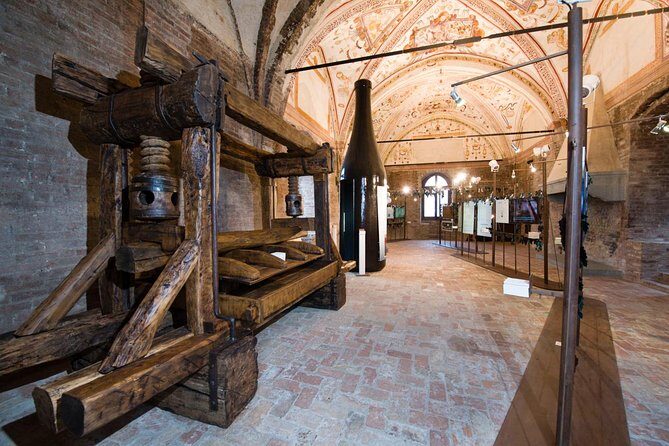
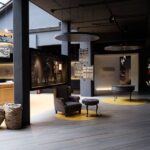
The core of what makes this ticket fun is the Ethnographic museum of rural life. It’s set up around how life worked here—how people handled materials, made products, and fed communities.
Inside, you’ll find themed displays that go beyond a single topic. Expect rooms and scenes tied to:
- Cavourian relics
- Wines from Alba in the Roman world
- Local kitchen settings from the 17th and 19th centuries
- Wine glasses and objects tied to Alba’s food-and-wine traditions
- Workshops, including a blacksmith workshop
- A cooper workshop
- An 18th-century distillery
- Farmyard implements
- Weights and measures
- Information about truffles
What I like about this setup is that it gives you multiple ways to connect. If you care about wine, you’ll follow the objects and the wine-related displays. If you care about everyday life, you’ll drift toward the kitchen scenes and tools. If you love craft, you’ll gravitate to the blacksmith and cooper workshops.
And the detail about weights and measures is a sleeper hit. It tells you how trade and production worked, and it helps you understand why the wine-and-food story isn’t just romantic. It’s practical. Someone had to measure, count, store, and transform.
The distillery reference stands out too. It’s part of the reason this feels like a “working region” museum rather than a “look but don’t touch” kind of exhibit. If you’re curious about how production evolved, you’ll enjoy the way the displays group craft + ingredient + finished product.
One more thing: the museum also includes local agricultural culture tied to truffles. That’s a great addition if you’re doing the Langhe for food. You’ll leave with a clearer sense of why truffles show up so often in menus here.
Cavour Regional Enoteca: wine and local products you can add on
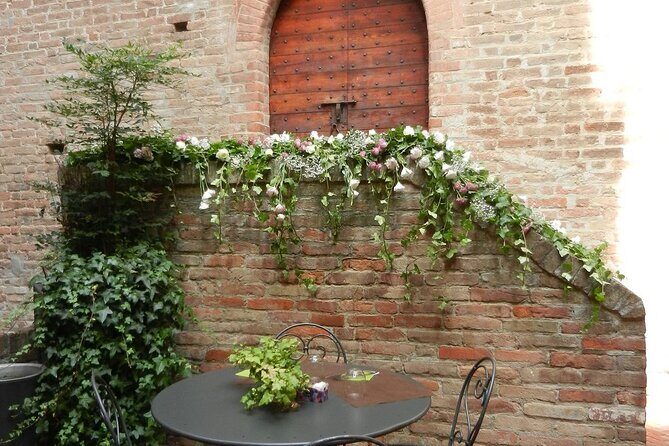
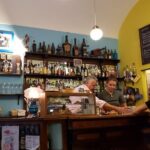
After you spend time in the rural-life exhibits, the castle also houses the Cavour Regional Enoteca. The Enoteca sits alongside a restaurant and gives you an obvious next step: food and wine culture in the same building you just explored.
You’ll also see “gourmet shops” where you can sample Piedmontese wine and other products. Important: those tastings and purchases are own expense, so think of this as the optional layer. If you enjoy tasting, it’s a smooth payoff. If you prefer to keep your spending controlled, you can simply walk through and decide later.
Why this matters for value: the museum content gives you context, and the Enoteca gives you a chance to turn that context into a sensory experience. You’re not just reading about tradition—you’re offered the chance to try it.
If you like structured visits, this is also a good point to reset your pace. Museums can make your brain feel full. The Enoteca offers a natural break where you can slow down and decide how long you want to linger.
Timing and pacing: how to plan 1 to 5 hours
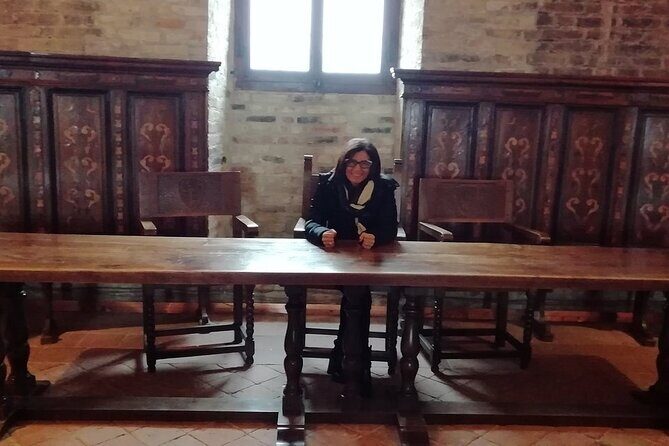
The visit length is listed as about 1 to 5 hours, which is a wide range because people move differently.
Here’s a practical pacing model that fits the place:
- 1 to 2 hours: focus on the key castle rooms and the biggest ethnographic themes (workshops + kitchen scenes). This is for you if you’re combining with other Langhe stops.
- 2 to 3.5 hours: add more time reading and looking carefully at the themed displays. This is the sweet spot for most people.
- 3.5 to 5 hours: include a longer break in/around the Enoteca area and spend time on the outside grounds and viewpoints.
Even if you’re not a slow walker, don’t underestimate the impact of the Hall of Masks. A bright interior with a painted ceiling takes longer than you’d expect. Also, the rural-life exhibits cover many subtopics, so it’s easy to get curious and keep going.
If you’re trying to fit this into a day that also includes nearby Alba, I’d suggest planning it for a time window where you still have energy after. A museum + wine context can feel like a full experience, not a quick side quest.
And again, check opening hours for your day. On Mondays (in 2026), it’s 10:00 AM to 5:00 PM. If you’re visiting another day, your confirmation should reflect that schedule.
A few more Turin tours and experiences worth a look

Getting there and the English-friendly experience
This is a good stop if you don’t want complicated logistics. It’s described as near public transportation, which usually means fewer headaches once you land in the region.
The experience is offered in English, and it’s a private activity. That combination is a real advantage if you want clear explanations while still having control over how long you stay in each room.
In a place like this, language matters more than you might think. Museum labels and thematic explanations help you connect the exhibits: how the kitchen scenes relate to food traditions, how workshops connect to production, and how the wine story ties it all together.
Also, because it’s only your group, you can ask direct questions without feeling like you’re holding up strangers. That’s a quieter, more relaxed way to do a castle museum.
Who should go (and who might prefer a different stop)
This is a strong pick if you want a Langhe visit that’s more than scenery.
You’ll likely enjoy it if you:
- love wine-and-food culture and want the backstory
- enjoy museum exhibits that are tied to real work (distillery, blacksmith, cooper)
- like the idea of seeing a castle interior with specific standout rooms like the Hall of Masks
- want a day trip that can be paced from quick to slow
You might think twice if:
- you want an ultra-short, purely visual stop (the museum part takes time)
- you have limited mobility and need very accessible routes—the experience data includes at least one note saying it wasn’t suitable for disabled visitors
That negative perspective is the only consistent warning signal in the set. So if you’re picky about museum content, you’ll want to be honest with yourself about whether you’ll read and explore or just take a quick look.
Should you book? My practical take
Book it if you want value that goes beyond a ticket price.
For roughly $9.75, you’re getting entrance access to the museum and grounds, plus a visit that connects castle architecture to rural life, craft, and food culture. If you’re in the Langhe and you’re even mildly interested in how wine, kitchens, workshops, and ingredients shaped daily life, this is the kind of stop that makes the day feel complete.
Skip or reconsider if you only want photos and views. This place works best when you’re willing to spend time inside and read the exhibits. The castle’s exterior is beautiful, but the real payoff is what you learn once you’re in the rooms.
If you’re flexible, do it on Monday if it matches your schedule, since it’s listed 10:00 AM–5:00 PM then. If you’re dealing with mobility needs, plan for extra time and verify route conditions with the provider before you go.
FAQ
What does the Museo delle Langhe entrance ticket include?
It includes an entrance ticket to the museum (and access to the castle grounds as described for the experience). The site also includes the Cavour Regional Enoteca area within the castle complex.
How long should I plan for this visit?
Plan for about 1 to 5 hours depending on how long you spend in the exhibits and whether you add time in the Enoteca/gourmet shops.
Is the experience offered in English?
Yes, the experience is offered in English.
What can I see inside the castle’s museum?
You can expect exhibits focused on rural life, including a historic distillery, blacksmith workshop, cooper workshop, kitchen settings, farmyard tools, weights and measures, and information about truffles, along with wine-related displays connected to Alba.
Can I sample wine during the visit?
There are gourmet shops linked to the Enoteca where you can sample Piedmontese wine and other products, but sampling is at your own expense.
Where is this experience located?
It’s listed for Turin, Italy, and it’s near public transportation.
What are the opening hours?
For 2026, the listed hours are Monday: 10:00 AM – 5:00 PM.
Are children allowed?
Children must be accompanied by an adult.
Is there free cancellation?
Yes. You can cancel up to 24 hours in advance for a full refund.
—
If you tell me what day of the week you’ll be in the Langhe (and whether you’re combining it with Alba), I can suggest a simple pacing plan so you don’t feel rushed.