Truffles turn a hike into science. This is a full-day truffle hunting experience outside Turin, run with a trained dog team like Gemma, plus guides such as Felix and Santino and their dogs (including Vasco, Tea, or Raul). You’ll learn how truffles grow and what rules keep harvesting sustainable, then you’ll hunt and dig alongside the dog-led search. If you’re lucky with finds, the truffles show up again at lunch in a classic Piedmont trattoria setting.
Two things I really like: first, the way the hunt is built around real scent work—watching the dogs get on the trail is both funny and fascinating. Second, you’re not just learning facts; you taste the results later at lunch, often shaved right on top of pasta and other Piedmont favorites.
One thing to plan for: this is a true hike with uneven ground and some hills. Wear proper footwear and expect dirt and mud. If you show up in city shoes and fragile clothes, you’ll have a rougher time than the people who came prepared.
In This Review
- Key things that matter before you go
- What makes this truffle hunt special
- From Turin to Asti-area countryside: the day’s pace
- How the hunt actually works: dogs, handlers, and real rules
- White vs black truffles: the season you should match your trip to
- The countryside hike: what to expect on the ground
- Coffee, truffle training, and how you’ll learn to see what you’re hunting
- Piedmont trattoria lunch: what you’ll actually eat and why it fits the day
- Value and logistics: what you pay for (and what to double-check)
- Who this is best for (and who should think twice)
- Should you book the truffle hunt with lunch?
- FAQ
- How long do I spend searching for truffles?
- When can I go for white truffles?
- What dietary options are available at the lunch?
- Is alcohol included?
- What should I wear for the hunt?
- How big is the group?
Key things that matter before you go
You start in Turin at 8:30 am, then travel out to the countryside for a hunt that lasts about 2–3 hours. After that you’ll head to a nearby restaurant for about 2 hours of lunch. The day runs roughly 8 hours total, and you’ll be back around 15.30–17.30.
The group stays small—max 15 people—and the tour is offered in English. Service animals are allowed, and the meeting point is near public transportation.
What makes this truffle hunt special
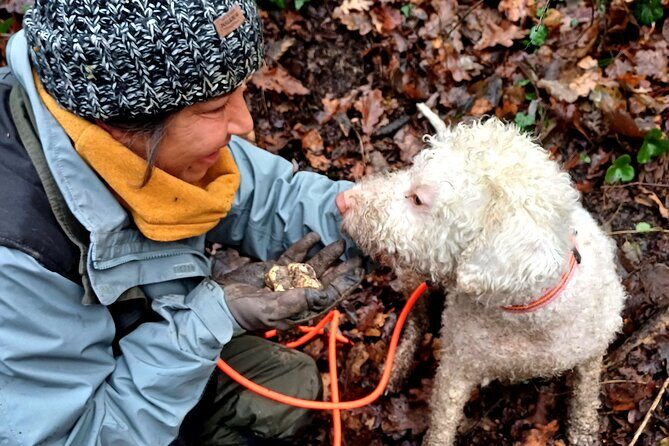
- Dog-led scent searching is the heart of the experience: Gemma and the other hunting dogs (like Vasco/Tea/Raul) do the hard part—your job is to learn, participate, and dig carefully.
- You get the rules before you search: where truffles grow, what to look for, and the collection rules for conservation.
- You hunt for seasonal truffles, not a guaranteed prize: timing matters (white vs other truffles), and results depend on nature.
- Lunch is part of the “story”: if truffles are found, they’re prepared and served right after—often shaved on hot dishes.
- Small group size keeps it practical: with up to 15 people, the guides can explain and correct technique during the search.
- Food is vegetarian-only, with no vegan/gluten-free options: plan around that if you have dietary needs.
Other Langhe and Piedmont countryside tours

From Turin to Asti-area countryside: the day’s pace
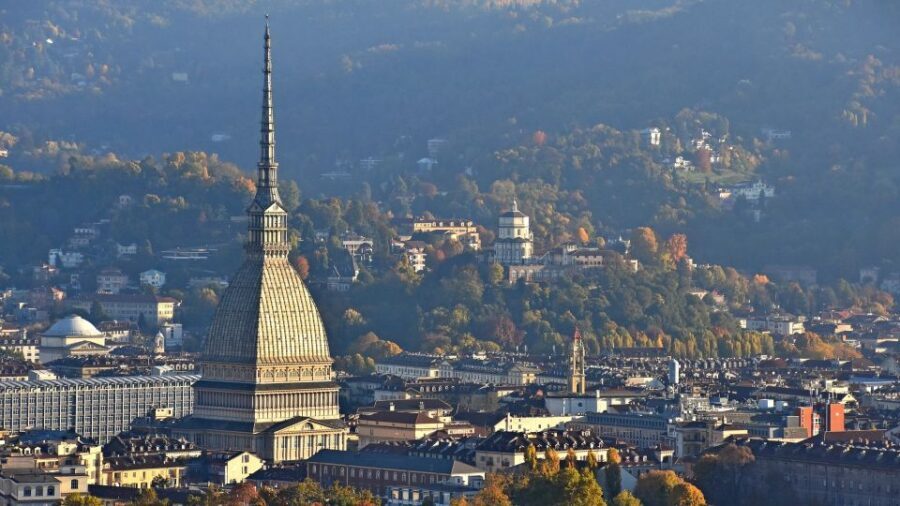
This day starts in Turin, meeting at Via Pont, 3 (10155 Torino) at 8:30 am. From there, you’re driven about 50 minutes out into the countryside. I like this structure because it cuts the stress of figuring out rural transport on your own. You show up, get briefed, and the rest of the day is run like a rhythm.
You’ll also get a coffee break in a village before the hunt gets underway. It sounds simple, but it helps: by the time you’re heading into the woods, your head is clear and you’re warmed up—mentally and physically. In the colder months this matters even more, because you’re outside and you’ll want steady energy.
You’re not out there all day walking, either. The itinerary is built around a hike for about 2–3 hours of searching, then a transport hop to lunch (about 20 minutes), then roughly 2 hours to eat. That timing is key if you want an active experience without turning it into a suffer-fest. You’ll still need to be ready for forest terrain, but the schedule respects your legs.
By the time you’re back in Turin (around 15.30–17.30), you’ll feel like you truly left the city behind. You’ll also have that satisfyingly full-day feeling: forest mornings, a real lunch, and no need to plan dinner that night unless you just love eating again.
How the hunt actually works: dogs, handlers, and real rules
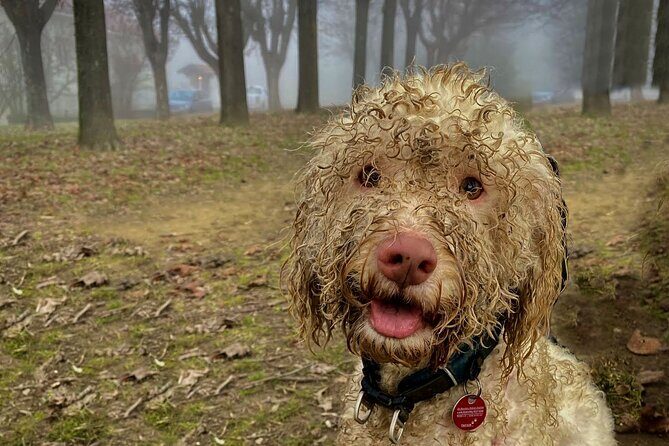
The most distinctive part here is the way the hunt is led by the dogs and handlers. You don’t just wander and hope. The guides—working with specialists and their trained animals—show you what’s going on and how to participate safely and correctly.
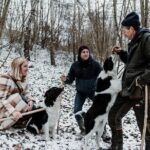
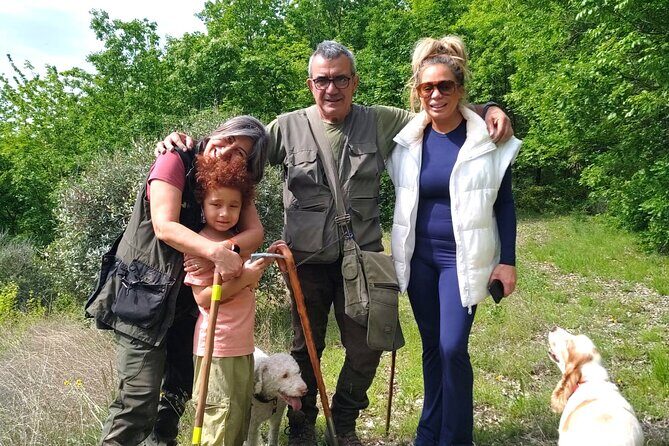
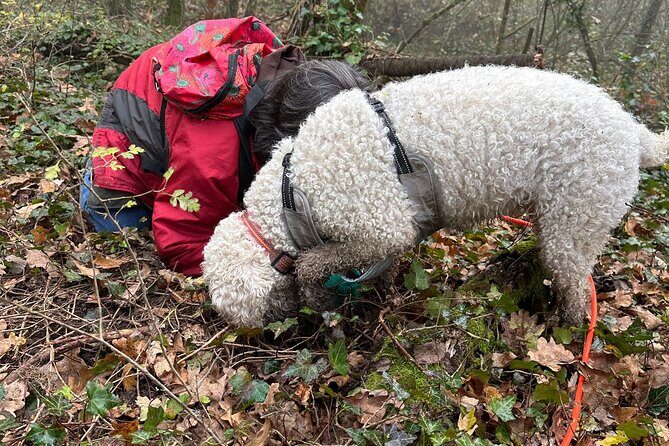
You’ll walk with the team, including Gemma and the other hunting dogs connected to Santino (you may meet dogs such as Vasco, Tea, or Raul), plus truffle hunter Felix. The format is “learn and do,” not “watch from the side.” You’ll be shown how to recognize truffles, how the search process works, and then you’ll actively participate by digging up what’s found.
There’s also a strong emphasis on truffle etiquette and conservation. Before you hunt, there’s an introduction covering:
- Where truffles grow
- What truffles are like (qualities)
- Rules for collecting
That last piece is important. Truffles aren’t farmed like lettuce. They’re a living ecosystem tied to soil and roots, and collection is seasonal and restricted. This tour makes it clear that rules exist for a reason, and it’s not treated like a free-for-all.
And yes, you’ll be walking behind dogs searching on scent. When a dog locks onto a trail, the whole group pays attention fast. It feels a bit like watching a professional show, except you’re part of it.
White vs black truffles: the season you should match your trip to
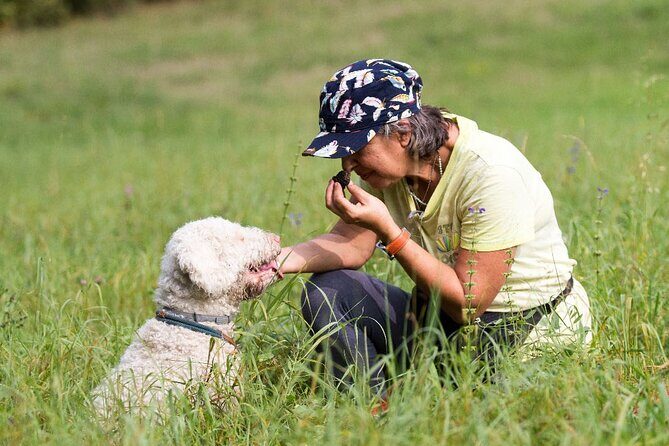
Truffles are seasonal here, so your planning needs to match the calendar. The tour is designed to hunt white or black truffles depending on season.
- White truffles can be collected September 21 – January 30.
- Other truffles are available the rest of the year, except:
- May (forbidden)
- September 1–21 (forbidden)
That restriction isn’t trivia. It changes what you can realistically expect to hunt and enjoy. If you go at the wrong time, you might still have an amazing hike and education—but the tour’s truffle hunting and lunch outcomes depend on what’s legally and naturally available.
Also, remember this is real hunting. You don’t control what nature gives you. On a good day, people can find multiple truffles and you get to see the dog team working again and again. On a quieter day, you’ll still learn the process and enjoy the meal, just with less to show off.
Heat is another factor worth thinking about. Truffles can be harder to find when conditions aren’t ideal. You can’t control the weather, but you can control how you prepare—water, layers, and footwear matter.
The countryside hike: what to expect on the ground
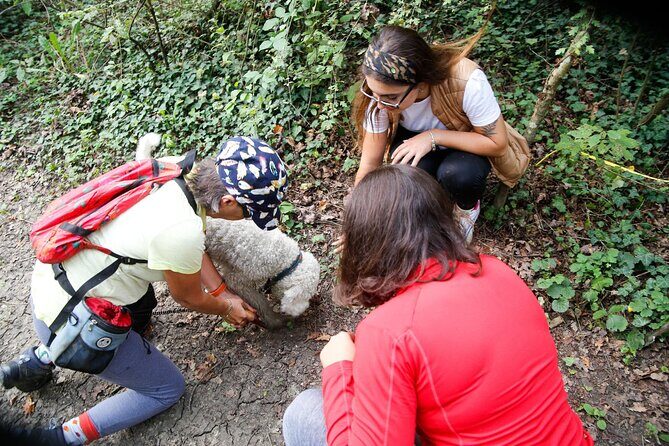
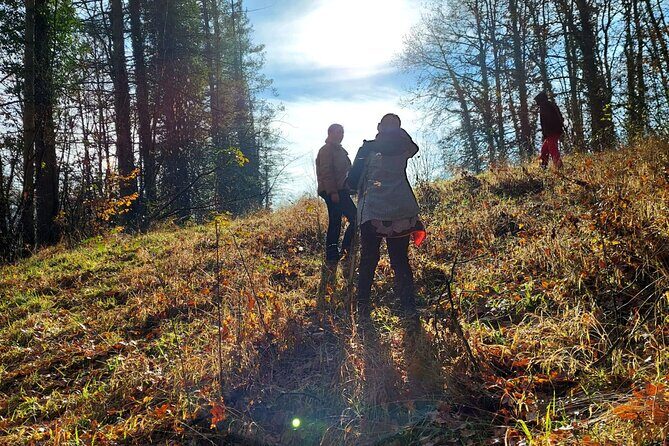
This is not a flat stroll. You’re walking in natural terrain with hills and uneven ground. Some parts can feel rugged—especially if the weather turned or the forest floor is muddy. One practical takeaway from the nature of the experience: you should go in expecting a real outdoor day.
That means:
- wear trekking boots
- dress in clothes suitable for forest conditions
- accept that your outfit may get dirty, because outdoor brush and soil are part of the experience
The tour also calls for a strong physical fitness level. That doesn’t mean you need to be an athlete. It does mean you should be comfortable walking over uneven ground for a couple hours, with stops for instruction and digging.
Group size helps here. With a max of 15 people, the pacing and spacing are more manageable than on larger tours. You’re not constantly stuck waiting because the whole group has to move as one giant block.
And if you’re traveling with a service animal, that’s supported. Near public transportation, too, so you’re not stuck far from transit when you start or finish.
Other truffle hunting and Alba day trips in Piedmont
Coffee, truffle training, and how you’ll learn to see what you’re hunting
Before the woods work starts, the day includes a truffle introduction. You’ll learn basics like:
- where truffles tend to grow
- how truffle qualities are discussed in the field
- the collection rules and why conservation matters
- how to recognize and dig up truffles responsibly
This part is valuable even if you’re not a food-nerd. Truffles can sound mysterious. The tour takes that mystery and gives you a framework. After a short briefing, the hunt becomes less about luck and more about pattern recognition—soil, ground conditions, and where the guides and dogs are focusing attention.
That training also helps during the digging phase. Digging isn’t “grab-and-go.” If you dig with care, you protect what’s around the find and you keep the process sustainable. It’s also safer for your hands and knees.
One small detail I’d recommend: treat the coffee break as part of your mental warm-up. Once you’re moving into search mode, you’ll be busy—watching the dogs, listening for cues, and shifting between walking and careful digging.
Piedmont trattoria lunch: what you’ll actually eat and why it fits the day
Lunch is where the experience turns from adventure into reward.
After the hunt, you travel about 20 minutes to a typical Piedmont restaurant for about 2 hours. The key idea is simple: lunch is tied to the morning’s searching. If you’re lucky and find truffles, you’ll enjoy them during the meal.
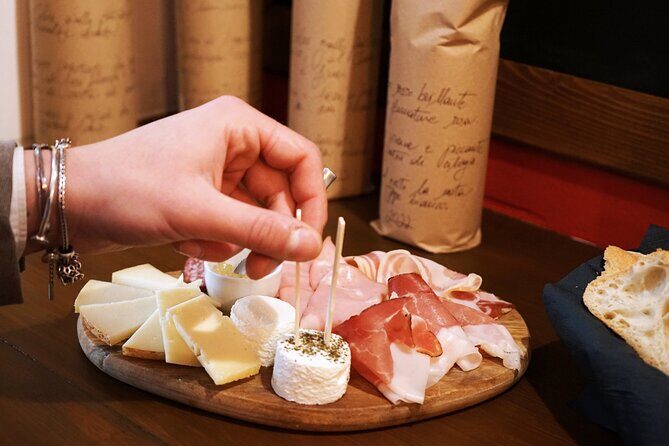
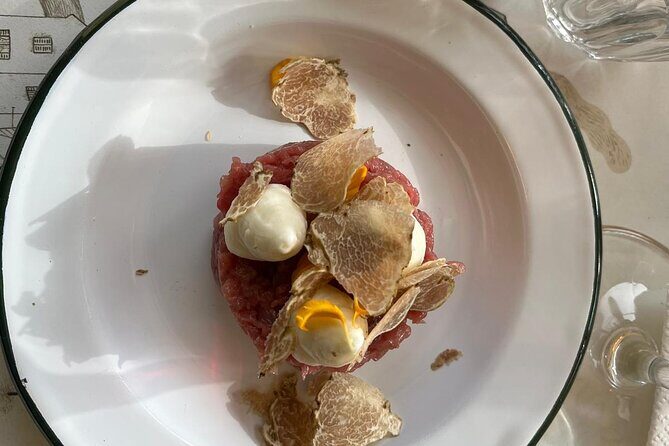
What you might see on the menu is very Piedmont: simple, genuine food where fresh truffle can be shaved over hot dishes (often pasta and other comfort-style plates). In several descriptions of the day, truffles show up shaved on top of dishes, which keeps the flavor direct and lets you taste what you found without turning it into a fancy science experiment.
This lunch format is also why you don’t want to schedule anything right afterward. It’s not a quick bite. It’s long enough to feel like a proper country meal, with time to talk and soak in the “we did it” feeling.
Diet note: the restaurant has limited options. There are no vegan or gluten-free alternatives. Vegetarian is available. If you have dietary restrictions, plan carefully before you book, because you can’t count on substitutions for vegan or gluten-free needs.
Alcohol is served in a controlled way: alcoholic drinks are available only for people 18 and older. If you’re traveling with minors, non-alcoholic drinks are used for them.
Value and logistics: what you pay for (and what to double-check)
At $192.04 per person, you’re paying for a rare mix: transportation out of Turin, a guided dog-led hunt, hands-on training, plus a long sit-down lunch. A lot of truffle experiences charge for the name. This one charges for the actual work: the hunt itself and the meal that follows it.
Also, the timing is efficient. The day is about 8 hours, with the majority spent in the field and at lunch—not stuck on paperwork or waiting around. And with max 15 people, you’re not lost in a crowd.
Two logistics checks I’d do before booking:
- Weather matters. This activity requires good weather. If it’s canceled due to poor weather, you’ll be offered a different date or a full refund.
- You need proper attire. The tour explicitly warns that clothes can ruin in the forest, so plan for outdoor wear, not your best “Italy outfit.”
A small but helpful note: it’s offered in English and you receive a mobile ticket. Starting from a set address in Turin at a set time also makes the day easier for people who don’t want to gamble on self-guided rural timing.
Who this is best for (and who should think twice)
This tour is a great fit if you:
- like hands-on outdoor activities
- enjoy animal-focused nature experiences
- want a taste of Piedmont culture that goes beyond a quick restaurant meal
- can handle uneven terrain and a real hike for a couple hours
It may be a less ideal fit if you:
- struggle with hills or uneven ground
- need vegan or gluten-free food options (vegetarian is the only alternative stated)
- expect guaranteed truffles to take home
One more mindset tip: go in prepared for unpredictability. Truffles depend on nature and season. When you accept that, the experience feels more authentic—and the surprises feel like part of the charm instead of a disappointment.
Should you book the truffle hunt with lunch?
If you want an unforgettable Piedmont day that combines trained dogs, real truffle searching, and a proper country lunch, I think this is an excellent choice. The small group size, the hands-on participation, and the way lunch connects to what you found make it more than a simple “tour stop.”
I’d still pause if you’re worried about fitness demands or your food needs don’t match the stated options (no vegan or gluten-free alternatives). Also, if you’re the type who needs a guaranteed outcome, remember this is nature-led hunting, not a show with fixed results.
If you can handle forest terrain and you’re okay with seasonal limits, book it. This is the kind of day you remember for the smell of the woods, the precision of the dogs, and then—hours later—the flavor of truffle on your plate.
FAQ
How long do I spend searching for truffles?
You’ll spend about 2 to 3 hours actively searching for truffles after traveling from Turin.
When can I go for white truffles?
White truffles are available for collection from September 21 to January 30.
What dietary options are available at the lunch?
The restaurant has no vegan or gluten-free alternatives. Vegetarian options are available.
Is alcohol included?
Alcoholic drinks are served only for people 18 and older. Minors get non-alcoholic drinks.
What should I wear for the hunt?
Wear trekking boots and suitable clothes for the forest. The tour notes your clothing can get ruined in the forest environment.
How big is the group?
The tour has a maximum of 15 people.