REVIEW · TURIN
Turin: Museum of Oriental Art Entry Ticket
Book on GetYourGuide →Operated by Fondazione Torino Musei · Bookable on GetYourGuide
Chinese funerary art in Turin, not Beijing. The Museo d’Arte Orientale (Mao) is one of Italy’s strongest stops for Eastern art, and I love how clearly the collection spans time, from the Neolithic up to the early 1900s, without feeling scattered. I also love that you get standout areas that are hard to find elsewhere in Italy, like the museum’s major Chinese funerary art collection and its archaeological pre-Islamic finds. One consideration: this ticket covers the museum, but temporary exhibitions are not included, so if you’re aiming to see special rotating displays, you’ll want to check what’s on during your visit.
This is a research-forward museum with real depth. You’ll see close to 2,300 works and more than 1,400 archaeological finds tied to pre-Islamic digs, including Iraqi sites at Seleucia and Coche. The museum is organized into five galleries, so you can follow the themes instead of wandering with no plan.
If you only have limited time in Turin, plan for a slower pace than you might expect. This isn’t a quick “peek around the corner” museum, especially if you care about context—like what objects were used for and what regions contributed different styles.
In This Review
- Key things worth knowing before you go
- Mao’s collections: from Neolithic finds to early 1900s art
- Chinese funerary art and why it feels so different here
- The pre-Islamic finds from Seleucia and Coche
- Following the five galleries without getting lost
- A standout moment: Kongo Rikishi on a rock base
- How much time you should plan for
- Ticket value: why $11 is a fair deal for this much material
- What to know before you enter (rules that affect your visit)
- Should you book the Museo d’Arte Orientale ticket?
- FAQ
- How much is the Museum of Oriental Art entry ticket in Turin?
- Where is the museum located?
- How long is the ticket valid?
- What is included with the ticket?
- Are temporary exhibitions included?
- Are guided tours included?
- Is the museum wheelchair accessible?
- What items are not allowed inside?
Key things worth knowing before you go
- A museum built around Eastern art expertise: Mao is known for its focus and research in Eastern collections.
- 2,300 works across a huge timeline: from the Neolithic through the beginning of the last century.
- Pre-Islamic archaeology, including Seleucia and Coche: you get more than 1,400 finds.
- Five galleries with clear regional themes: South and South-East Asia, Japan, the Himalayas, and Islamic art.
- Major Chinese funerary art in Italy: one of the strongest parts of the collection.
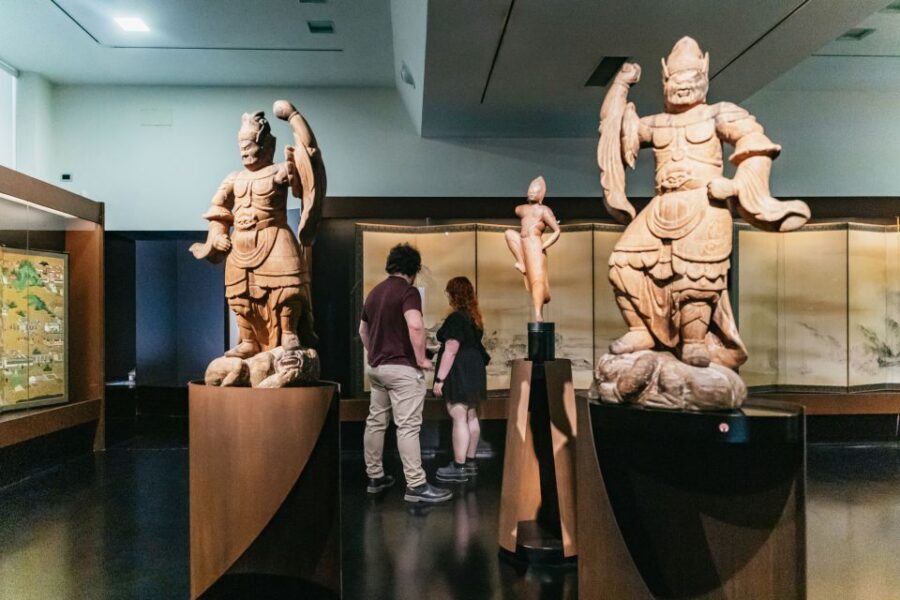
- Kongo Rikishi on a rock base: a memorable single-object highlight to look for.
Mao’s collections: from Neolithic finds to early 1900s art
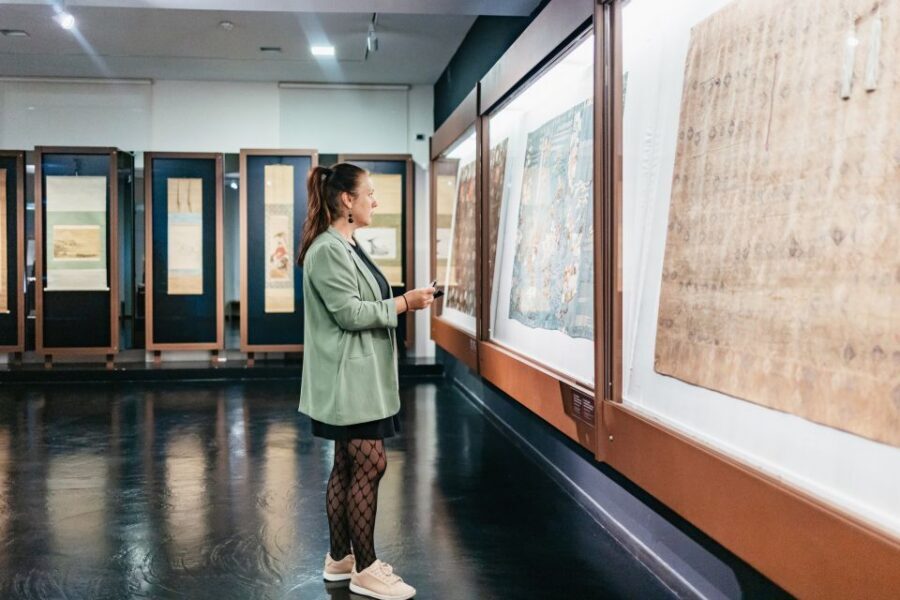
Mao’s biggest advantage is that it doesn’t treat “Eastern art” like one style or one era. The museum’s scope is built to show how cultures changed over time, with objects that can feel very different side-by-side. From the Neolithic period to the early 20th century, you get the sense that art and material culture evolve with belief systems, trade, and politics.
What I like about this structure is how it helps you notice details. When you see objects across a long timeline, you start comparing the “why” behind them: what a society valued, what it used objects for, and how craftsmanship translated into meaning. Even if you’re not an art-history superfan, the museum’s organization makes it easier to understand.
And since the museum also includes archaeological material—more than 1,400 finds from pre-Islamic contexts—you’re not only looking at finished art. You’re seeing evidence from the past that helps explain how those aesthetics were formed.
A few more Turin tours and experiences worth a look


Chinese funerary art and why it feels so different here
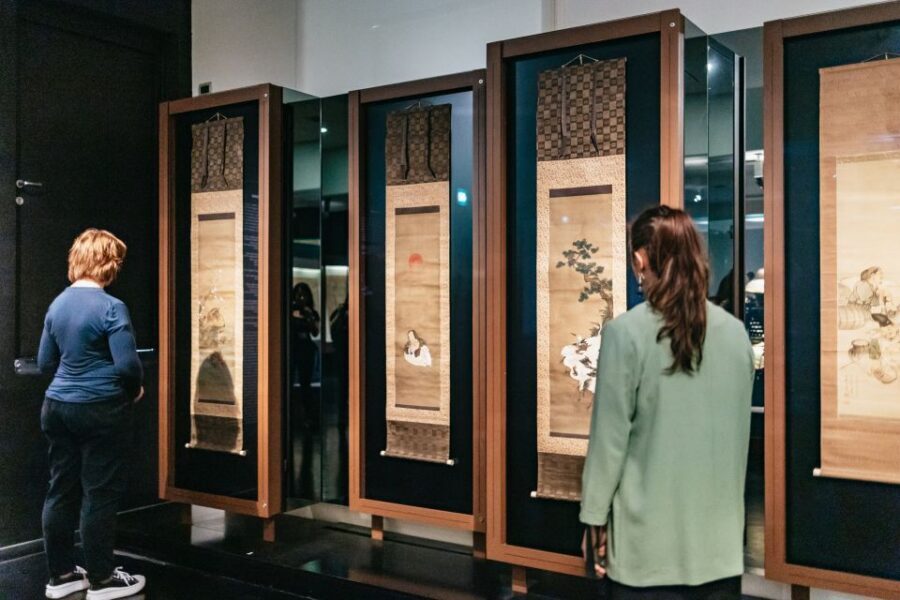
If you care about objects made for death rituals and the afterlife, this is a place to pay attention. Mao is home to the museum’s most important collection of Chinese funerary art present in Italy, and it’s not just “a few pieces in a room.” It’s a major area of focus.
Chinese funerary art often shifts how you look at material culture. Instead of asking only what something looks like, you start asking what it was meant to do. Was it symbolic protection? Did it represent status? Was it tied to a belief system about journeys or the spirit world? Even with no guided tour, you can get value from simply reading the context and comparing objects made for similar ritual functions.
For me, the practical takeaway is this: give yourself time here. This section rewards a slower look, because the power is in the themes and purpose, not just surface detail. If you rush, you’ll miss the patterns.
The pre-Islamic finds from Seleucia and Coche
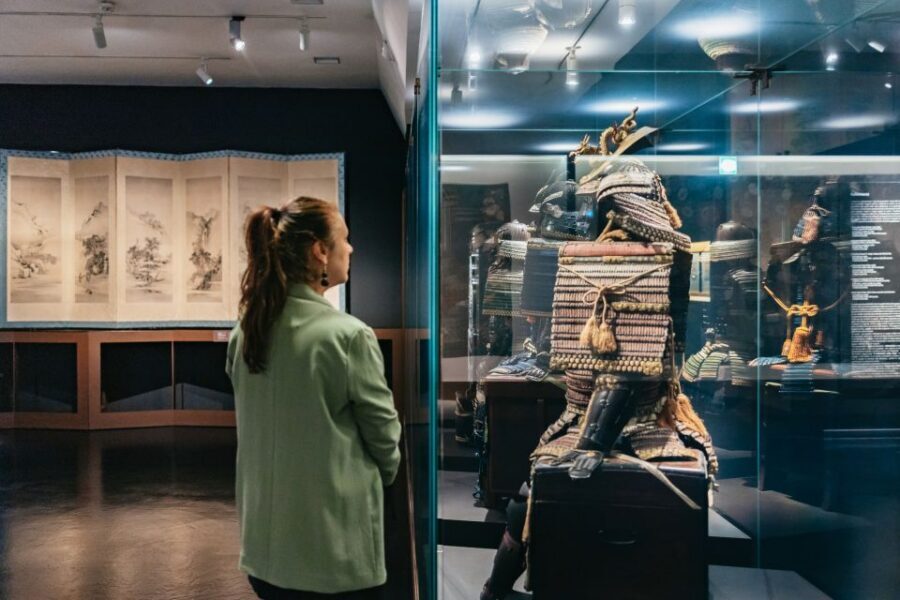
One of the most compelling things about Mao is that it includes archaeology, not just art objects. You’ll see over 1,400 archaeological finds dating to pre-Islamic times, including material from the Iraqi digs at Seleucia and Coche.
This matters for your visit because it changes the way you interpret everything else in the museum. When you have objects tied to real excavation contexts, you’re more likely to notice how styles and materials travel and transform. It also makes the museum feel grounded. You’re not only looking at crafted beauty—you’re looking at the residue of real communities.
If you like museum visits where you learn something you can carry forward (like how different regions connect through trade and belief), this is a strong reason to choose Mao over a more general museum stop. Even a single hour here can change your sense of how Eastern art developed.
Following the five galleries without getting lost
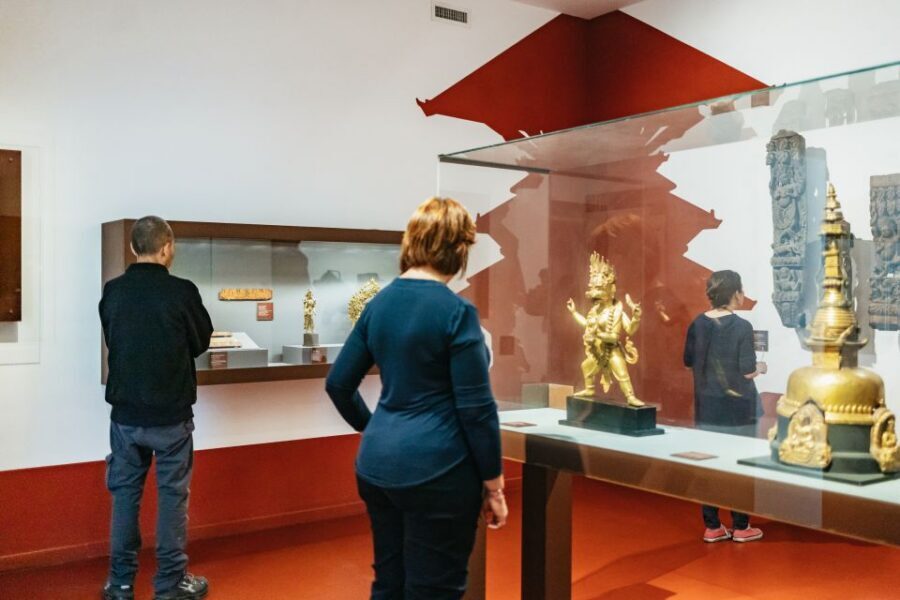
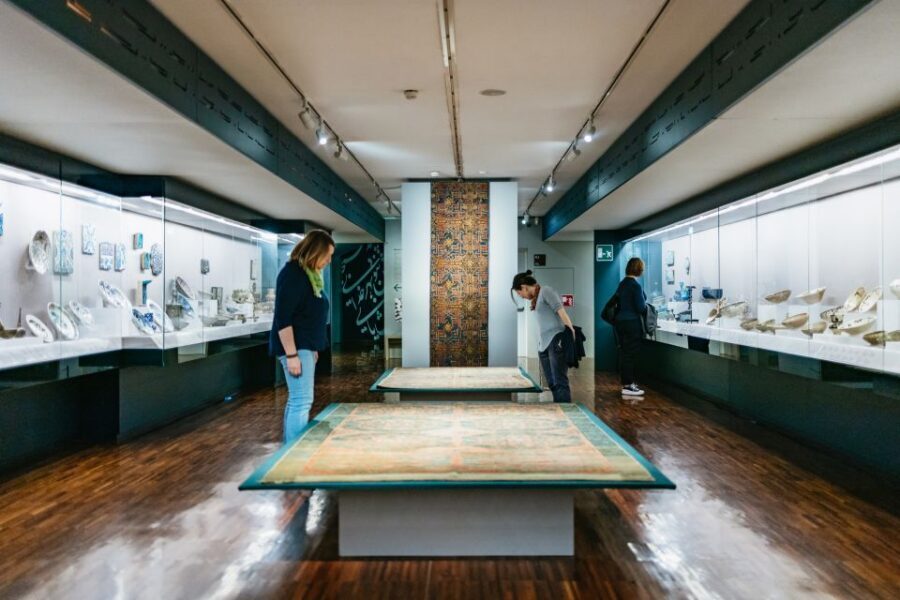
Mao is organized into five galleries, each with a clear set of regions and themes. That’s a big deal when you’re on your own. You can build a simple route based on what you care about most.
Here’s the gallery logic in plain terms:
- South and South-East Asia: expect art shaped by multiple civilizations and cross-border influences.
- Japanese art: the museum specifically includes sacred and profane Japanese art, so you can see how beliefs and everyday life created different visual languages.
- The Himalayan region: look for works tied to geography and spiritual traditions common to the area.
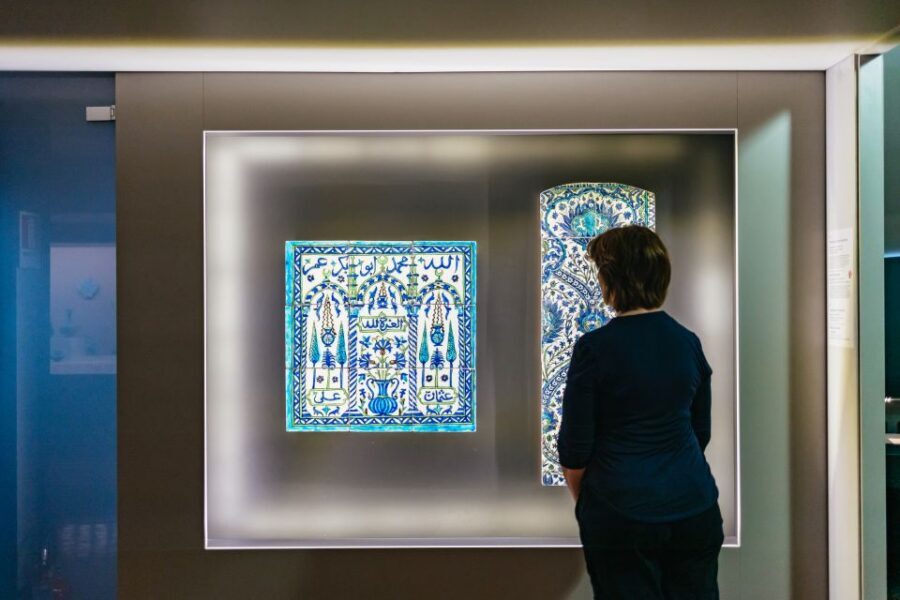
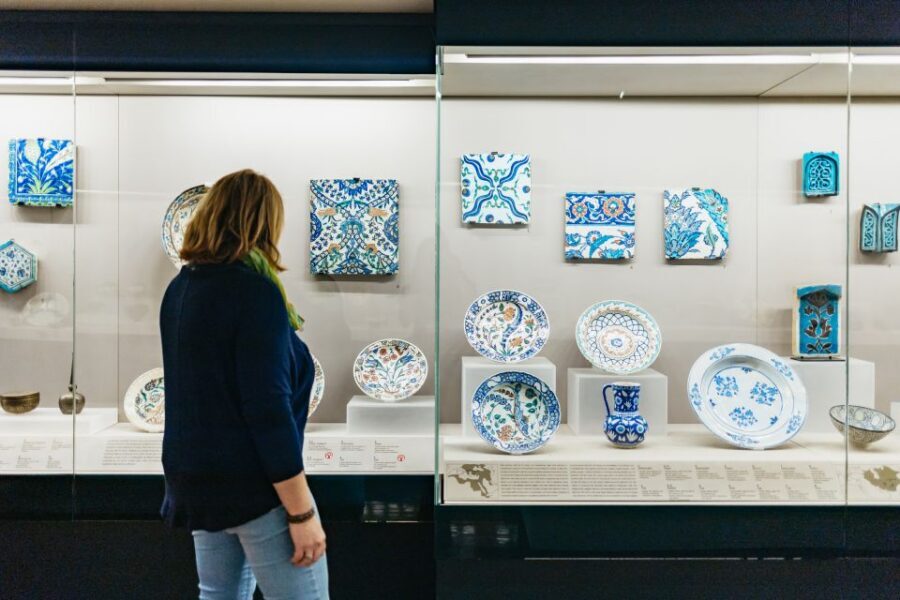
- Islamic art: this is a significant collection, which helps you trace both religious themes and artistic techniques.
- Plus the museum’s broader timeline: the transition across eras helps you compare styles rather than treating each room like a separate world.
My suggestion: don’t try to see everything evenly. Pick one or two galleries that match your interests and give them extra time. Then do the rest at a steady pace. This way you leave with at least one “real win,” not just a blur of rooms.
A standout moment: Kongo Rikishi on a rock base
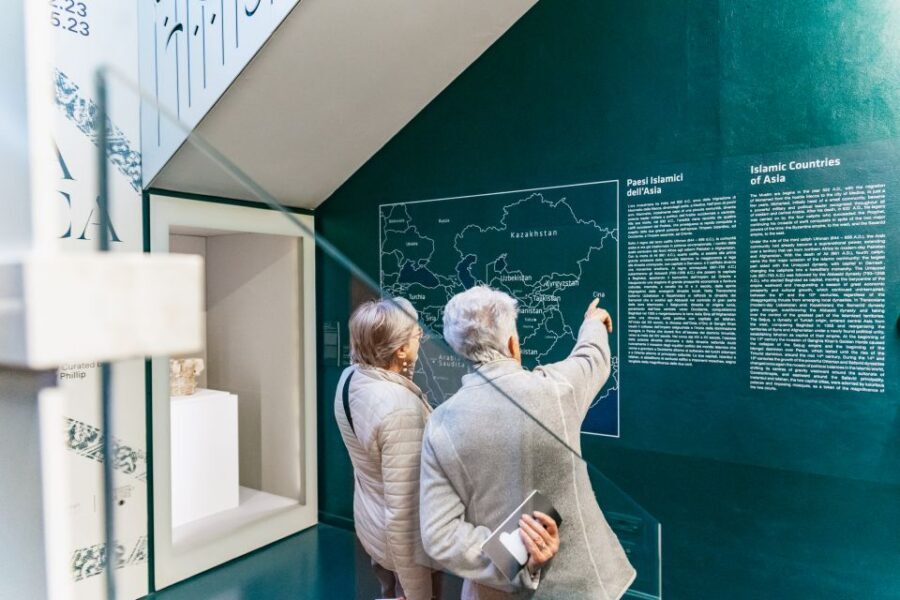
One specific highlight listed for the museum is the Kongo Rikishi on a rock base. If a museum highlight has a named subject like this, I take it as a clue that there’s something visually and historically striking you can anchor your visit around.
If you’re not sure where it is, use it like a compass. Find it first, then let it guide you. When you look at one strong object early, everything else becomes easier to interpret because you’ve already connected with a concrete example of the collection’s personality.
Other museum experiences in Turin
How much time you should plan for
Your ticket is valid for 1 day, and you’ll want to check availability to see starting times. That doesn’t tell you how long to stay, but Mao’s collection scale does: nearly 2,300 works plus the archaeological finds means the museum is not designed for a five-minute stop.
If you want a meaningful visit where you actually read and compare, plan on a longer window than you would for a small gallery. If you only have a short visit, you can still do a good job, but you’ll need to prioritize. Choose your “must-sees” (for example, Chinese funerary art, Islamic art, or the pre-Islamic archaeological sections) and accept that you can’t treat the museum like a checklist.
A practical trick: aim to spend extra time in the areas that have clear purpose behind the objects—funerary pieces and archaeology. Those parts give you more payoff per minute if you slow down.
Ticket value: why $11 is a fair deal for this much material
At $11 per person, the value here comes from scale and focus. You’re paying for access to a museum that brings together close to 2,300 works spanning major eras, plus more than 1,400 archaeological finds tied to pre-Islamic contexts. That’s a lot of viewing material for one admission price.
More importantly, the museum’s theme is focused. Instead of generic “international art,” Mao is built around Eastern collections and related research. That focus tends to make your time feel more efficient, because the rooms connect rather than competing.
If you’re comparing options in Turin, ask yourself a simple question: do you want a themed museum experience with real depth? If yes, this ticket is easy to justify.
What to know before you enter (rules that affect your visit)
This museum is straightforward for visitors, but a few rules matter because they can affect your comfort.
- No luggage or large bags: keep your daypack light, and plan to leave bulky items at your accommodation.
- Pets are not allowed: assistance dogs are allowed.
- No flash photography: regular phone photos might be fine, but don’t use flash.
The ticket is also wheelchair accessible, which is great if you need barrier-free movement.
One more timing note: because the ticket validity is for 1 day and there are starting times tied to availability, you’ll have an easier visit if you match your museum slot to the rest of your day in Turin. Pick a time when you won’t be rushing for another timed activity right after.
Should you book the Museo d’Arte Orientale ticket?
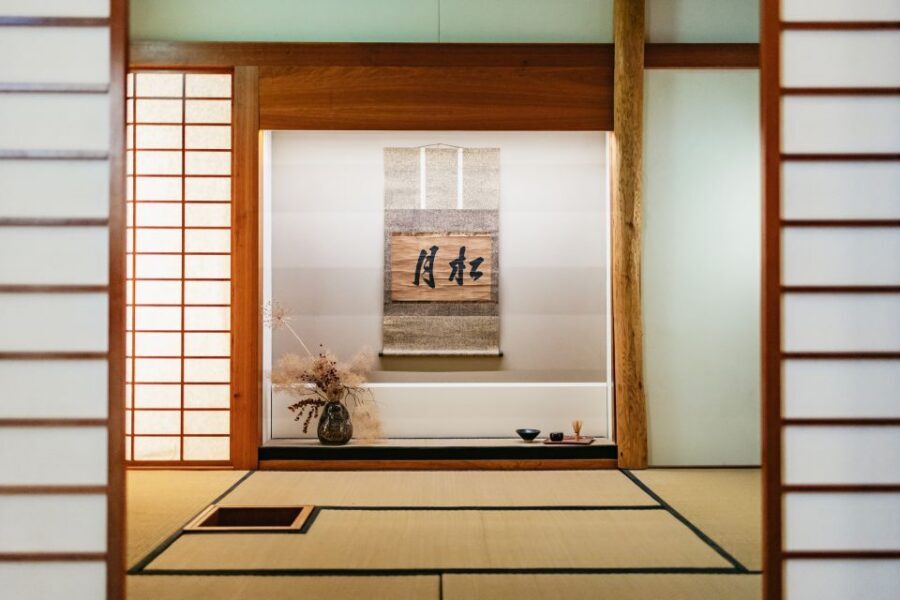
Book it if you want one museum stop that delivers both art and archaeology from Eastern cultures, with strong emphasis on Chinese funerary art and pre-Islamic finds from Seleucia and Coche. The price is low enough that you won’t feel like you have to “make the most” by rushing, and the five-gallery layout makes it easier to navigate on your own.
Skip or rethink if temporary exhibitions are a big part of what you’re after. Your admission covers the museum, while temporary exhibitions are not included, so you may need to check what’s on during your dates before you assume you’ll see everything special.
If you like museums where objects come with purpose—ritual, belief, excavated context—this is a smart use of your time in Turin.
FAQ
How much is the Museum of Oriental Art entry ticket in Turin?
The price is $11 per person.
Where is the museum located?
It’s in Turin, in the Piedmont region of Italy.
How long is the ticket valid?
The ticket is valid for 1 day. Starting times depend on availability.
What is included with the ticket?
The ticket includes admittance to the museum.
Are temporary exhibitions included?
No. Temporary exhibitions are not included.
Are guided tours included?
No. Guided tours are not included.
Is the museum wheelchair accessible?
Yes, the experience is listed as wheelchair accessible.
What items are not allowed inside?
You can’t bring luggage or large bags, and pets are not allowed (assistance dogs are allowed). Flash photography is also not allowed.