REVIEW · TURIN
Barbaresco and Barolo Tasting at Cantina Francone
Book on Viator →Bookable on Viator
Neive can feel like a wine postcard you can walk through. At Cantina Francone, you get a tidy, 90-minute visit that mixes a small family museum with two cellar-room stops before tasting Barbaresco and Barolo. I really like how the focus stays on the vineyards and the craft, not a rush-through checklist.
My second favorite part is the hands-on winery philosophy they explain: separating vines by site, careful soil attention on the Gallina hill, and vinification with a long pause on the skins. One possible drawback: there’s no transportation included, so you’ll want to plan how to reach the Neive meeting point.
In This Review
- Key highlights you should care about
- Neive and the Francone setup: why this tasting feels personal
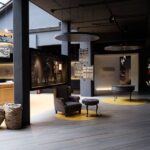
- Entering Cantina Francone’s small family museum
- The Classic Sparkling Wine Room: what to listen for
- Red wine ageing room: the craft behind Barbaresco and Barolo
- Stop in Neive, with tasting centered on the right grapes
- Guides and the family feel: what made it click
- Price and timing: does $60.07 make sense for what you get?
- What might feel short—and how to make the most of it
- Who should book this Cantina Francone tasting?
- Should you book Cantina Francone for Barbaresco and Barolo?
- FAQ
- What is the duration of the Cantina Francone Barbaresco and Barolo tasting?
- Where does the tour start?
- What wines are included in the tasting?
- Is transportation included?
- What’s included in the tour besides the tasting?
- What language is the tour offered in?
- Is there a group size limit?
Key highlights you should care about
- Barbaresco and Barolo tasting centered on the producer’s own approach
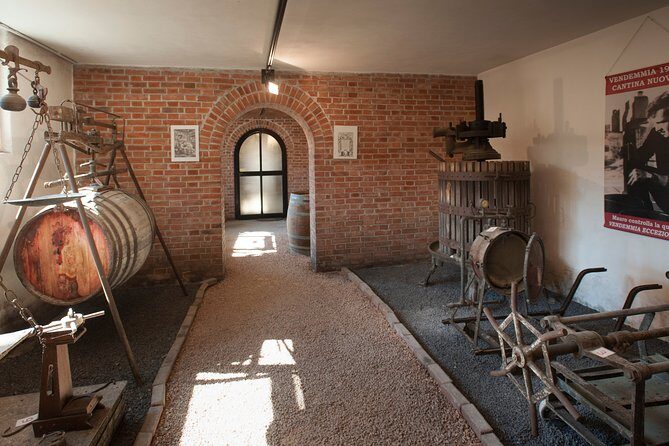
- Small family museum stop that gives real context fast
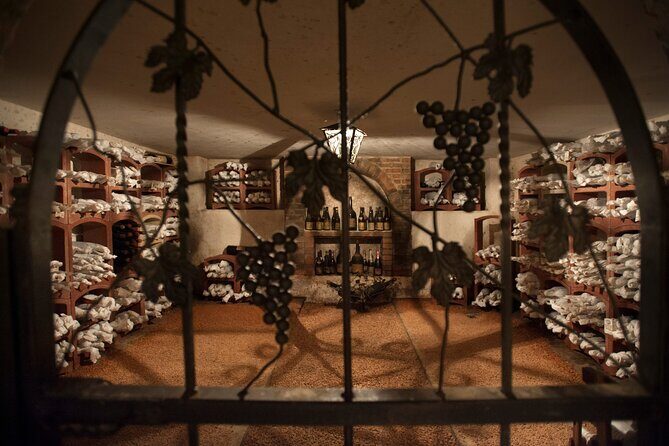
- Classic Sparkling Wine Room and a separate red wine ageing room
- Vinification details like long skin contact and lower-sulphite bottling (for some wines)
- Maximum group size of 20 for a calmer feel
Neive and the Francone setup: why this tasting feels personal
If you’re already in the Langhe area, this kind of winery stop is a smart move. It’s short—about 1 hour 30 minutes—so you don’t lose your day to transfers and long waits. And because it’s based in Neive, you’re in the UNESCO heritage hills where the local wine culture is the main event.
What I like most is that the visit is built around how this winery thinks. They talk about selecting vines and separating vineyard lots according to soil attitudes, then turning that into a “tailor-made” range of wines in limited quantities. That matters because it helps you taste with context, instead of just sipping and guessing.
You also get a producer-led view of sustainability-style choices, like integrated agriculture on sites such as the Gallina hill. The point isn’t preaching. The point is that these methods influence grapes, aging, and ultimately the glass.
Other Barolo and Barbaresco wine tours in Piedmont
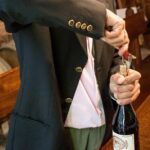
Entering Cantina Francone’s small family museum
Your tour starts with a guided look at the small family museum. This is the kind of stop that earns its time: you learn the winery’s background without it turning into a lecture marathon.
The museum concept works well for first-timers. You get a quick foundation for what you’re about to see in the cellars and taste in the rooms. For wine folks, it still helps because it frames the winery as a family operation rooted in Neive and close to Barbaresco in the province of Cuneo.
A practical tip: keep your phone for photos later. In this museum stage, the guide’s spoken explanations help you connect what you’ll taste to what they do. If you skim over the explanation, the later rooms can feel like separate scenes.
The Classic Sparkling Wine Room: what to listen for
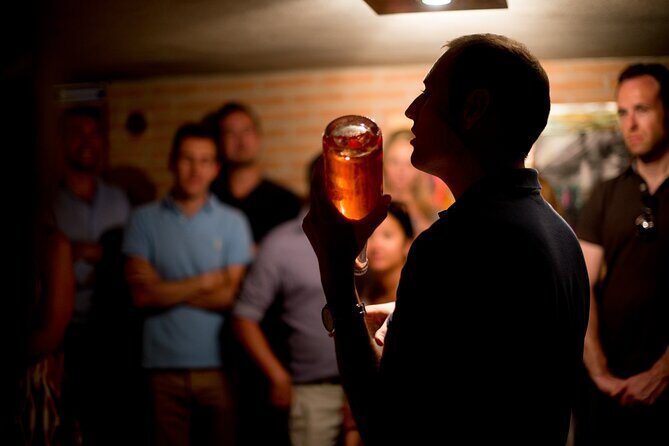
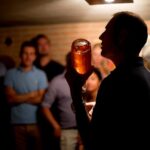
After the museum, you visit the Classic Sparkling Wine Room. Even though your main tasting is Barbaresco and Barolo, this stop broadens your understanding of the winery beyond just reds. It’s also a nice palette reset before you move into aging and red structure.
This room is included, so you’re not stuck paying extra for a side experience. You’ll also notice how the winery organizes spaces by purpose—sparkling production has its own rules, and it shows in the way the tour flows.
What to watch for: you’ll likely hear how their approach to respecting raw material shows up in different wine styles. The winery describes techniques aimed at naturalness, and that theme pops up again when they talk about fermentation and bottling for some wines.
Red wine ageing room: the craft behind Barbaresco and Barolo
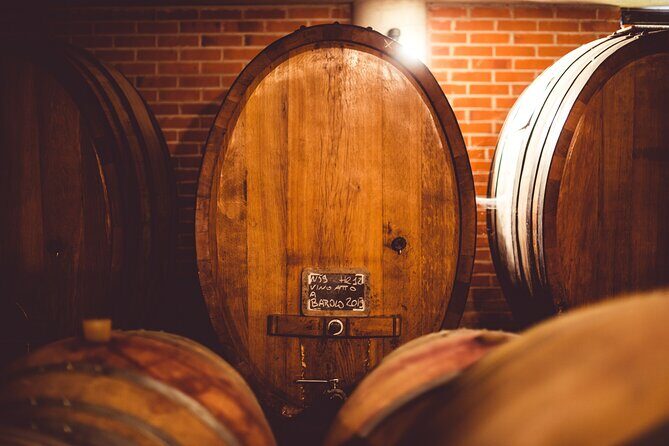
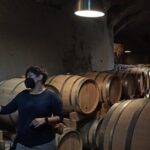
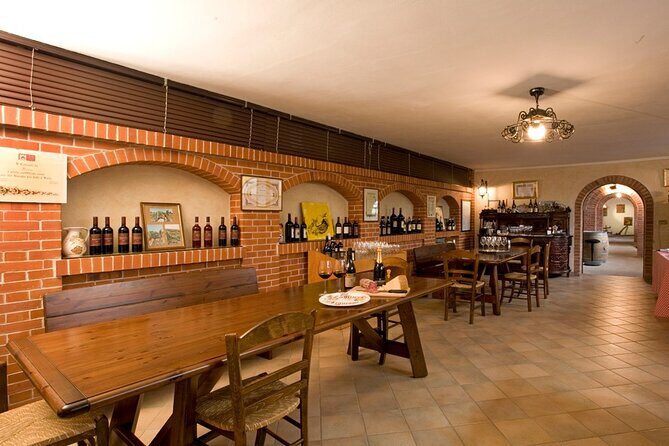
Then you shift into the red wine ageing room. This is where the tasting starts to make more sense. Ageing isn’t just “waiting.” It’s part of the flavor plan, especially for wines like Barbaresco and Barolo that rely on time and texture to land well.
The tour ties this to their production choices. They emphasize respecting the raw material, including fermentation with a long pause on the skins. Translation for you: skin contact influences tannins and aromatics, and it can help create the balance you associate with classic Piedmont reds.
They also highlight a naturalness angle. Some wines are bottled with a sulphite content 60% lower than the permitted limit. Even if you don’t care about sulphites as a topic, the practical value is that it signals a specific style and philosophy you can taste—especially around freshness and fruit focus.
Stop in Neive, with tasting centered on the right grapes
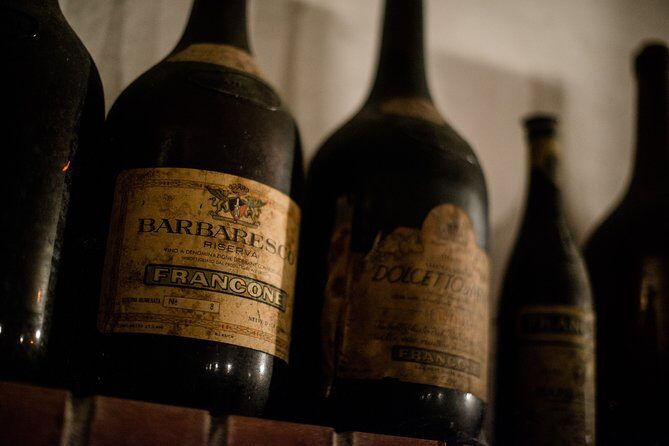
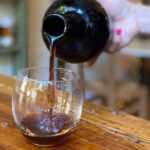
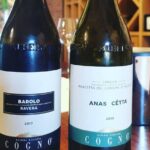
The main tasting is Barbaresco and Barolo. That pairing is a great way to learn fast, because both are Piedmont legends, but they don’t taste the same in how they carry structure, aroma, and finish.
Here’s how I’d think about it as you taste:
- Look for aroma first. Barbaresco often feels more floral or red-fruit-forward, while Barolo tends to show more depth and spice notes.
- Then check texture. Barolo can feel more serious and firm, while Barbaresco frequently reads as a bit silkier depending on the bottle.
- Finish matters. If you’re new to these styles, don’t overthink labels. Let the mouthfeel and aftertaste do the teaching.
Because this is a guided tasting, the guide can help you connect the differences to what the winery does. That’s the biggest value: you’re tasting a specific producer’s expression, not just tasting a textbook.
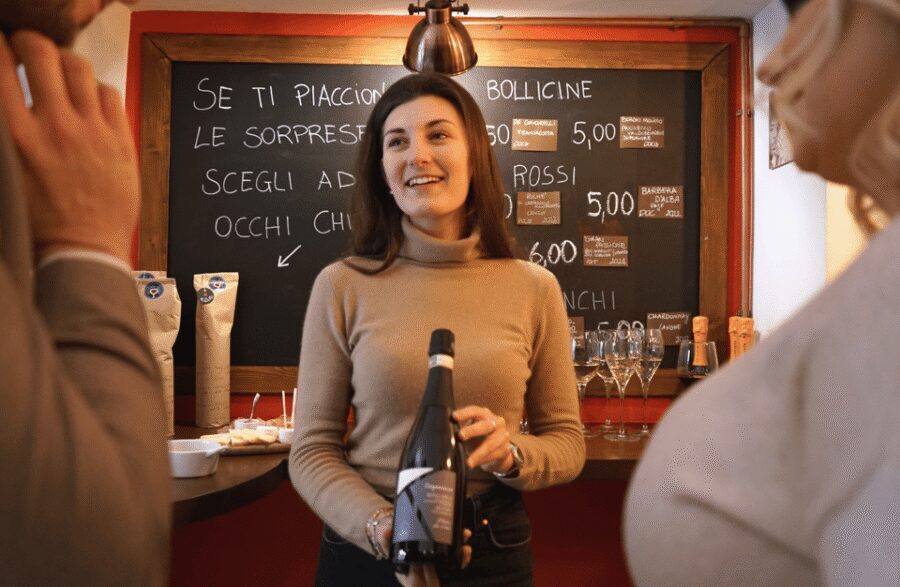
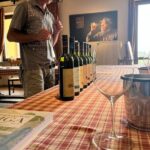
A nice bonus during your stop: alcoholic beverages are included, plus bottled water and breadsticks. That means you can actually enjoy the wines in a comfortable way instead of nibbling on nothing and calling it a day.
Other food & drink experiences in Turin
Guides and the family feel: what made it click
One of the strongest signals from the experience is the human side. In this tour, you don’t just get a script. You get conversation, and the team is the story.
In particular, the host names Valerie and Fabrizio show up in the tour experience, and they’re described as welcoming and helpful. The visit can also include time meeting the brothers who own and operate the winery, which keeps the vibe from feeling like a commercial tasting room.
If you like your wine tours to feel like a real introduction to the people behind the bottles, this is built for that. And if you’re the type who asks questions—why this room, why this method, what’s the soil like—you’ll probably get a lot more out of it here than in larger, more formal setups.
Price and timing: does $60.07 make sense for what you get?
At $60.07 per person for about 1 hour 30 minutes, this lands in a pretty reasonable range for a guided winery tasting that includes multiple stops. The value isn’t just the tasting. It’s the combination of:
- a guided museum context,
- visits to two specific cellar rooms,
- and included water and breadsticks.
That package matters because it turns the tour into an experience, not only a sip session. For me, the best way to judge value on wine tours is to ask: will I understand what I’m tasting by the end? Here, the answer is usually yes, because the tour walks you from background to production spaces to the wines themselves.
One thing to keep in mind: there’s no private transportation. If you’re relying on taxis or your own rental car, factor that into your day. If you already have local mobility, the price feels easy to justify.
What might feel short—and how to make the most of it
A 90-minute tour is a good fit for many people, but it’s not a long sit-down lunch. If you want deep, extended course-like instruction—especially about vintage comparisons—this might feel brisk.
My advice: arrive with two or three questions in mind. For example:
- How does soil choice show up in the glass?
- What does long skin contact change for these styles?
- In your opinion, what’s the easiest way to taste Barbaresco versus Barolo with confidence?
Because the group cap is 20 and the tour includes multiple guided rooms, you can usually get answers without the guide feeling overwhelmed.
Also, plan to take notes lightly. You’ll remember the wines better if you write down what stood out to you during each pour—aroma, texture, and the finish. This is especially useful for learning the difference between Barbaresco and Barolo.
Who should book this Cantina Francone tasting?
This is best if you want an efficient, guided winery stop in the Langhe with a strong producer connection. It suits:
- first-timers who want Piedmont reds explained in plain terms,
- wine lovers who enjoy hearing about practical production choices,
- travelers who like smaller, family-run energy more than big-tour factory vibes,
- couples or small groups that prefer a calm time window.
If you’re already deeply fluent in aging methods and vintage micro-detail, you may still enjoy the cellar-room visits and sulphite/fermentation philosophy, but you might want to pair this with a longer tasting elsewhere for extra depth.
If you don’t have transportation to Neive, you’ll want to sort that first, since the tour doesn’t include private transport.
Should you book Cantina Francone for Barbaresco and Barolo?
Yes—if you want a focused, friendly winery tasting that leaves you understanding what you drank. The combination of museum context, the sparkling room detour, then the red ageing room creates a clear story arc. Add in the Barbaresco and Barolo tasting and the included water and breadsticks, and you get a compact experience that feels worth the time.
I’d say book it sooner rather than later, especially if you’re visiting on a busy season. Tours like this are often best when you can walk in relaxed and ask questions without worrying about your schedule.
FAQ
What is the duration of the Cantina Francone Barbaresco and Barolo tasting?
The tour runs about 1 hour 30 minutes.
Where does the tour start?
It starts at SP3, 45, 12052 Neive CN, Italy.
What wines are included in the tasting?
The tasting includes Barbaresco and Barolo.
Is transportation included?
No, private transportation is not included.
What’s included in the tour besides the tasting?
You get a guided tour in the small family museum, visits to the Classic Sparkling Wine Room and the red wine ageing room, alcoholic beverages, bottled water, and breadsticks.
What language is the tour offered in?
The tour is offered in English.
Is there a group size limit?
Yes. The tour has a maximum of 20 travelers.