REVIEW · TURIN
Turin: 3-Hour Gastronomy Tour
Book on GetYourGuide →Operated by Keys of Italy/Piemonte · Bookable on GetYourGuide
Turin’s food stories start with a chocolate ingot. This 3-hour gastronomy tour threads Piedmont tradition through the historic center, with an expert guide and tastings tied to how the city actually eats. You’ll sample classic flavors like gianduiotto and bicerin, then move into savory dishes and local cheeses.
What I like most is how the tour connects what you’re tasting to specific regional reasons—like why hazelnuts show up in gianduiotto and why anchovies mattered for vitel tonnè. I also like the pacing: it’s built around a walk with stops, so you’re not stuck in a single restaurant while the food list stays short.
One possible drawback: since it’s a walking tour through narrow streets, it may feel tight on time if you want a long, leisurely meal. And because you’re sampling, not ordering a full dinner, you’ll likely still want something to eat after.
In This Review
- Key Highlights You Can Actually Plan For
- Turin Gastronomy on Foot: How the Experience Feels in Real Life
- Meeting at the Statue and How the 3-Hour Flow Works
- Gianduiotto: The Hazelnut Chocolate You’ll Want to Remember
- Bicerin: The Coffee-Chocolate-Milk Sipper in a Round Glass
- Vitel Tonnè with Wine: Anchovies, Salt, and a Famous Sauce
- Local Cheeses and the Meaning of DOP Labels
- Your Guide: What Makes This Tour Feel Personal
- Price and Value: What $129.14 Gets You
- What to Bring and How to Get the Most Out of the Walk
- Who This Tour Fits Best (and Who Might Want Something Else)
- Should You Book This Turin Gastronomy Tour?
- FAQ
- Where does the tour start and end?
- How many dishes do I sample during the tour?
- How long is the Turin gastronomy tour?
- What languages is the live guide available in?
- Is the tour wheelchair accessible?
- Can I cancel for a refund?
Key Highlights You Can Actually Plan For
- 5 traditional tastings that cover sweet, coffee-chocolate, savory, and cheeses
- Expert guide storytelling that explains the Piedmont angle behind each dish
- Gianduiotto’s hazelnut history, linked to the Napoleonic cocoa shortage idea
- Bicerin in round glass cups, a Piedmont coffee-chocolate-milk tradition
- Vitel tonnè with wine, including the anchovy-and-salt backstory
- Protected DOP cheeses, so you taste with labels and standards in mind
Turin Gastronomy on Foot: How the Experience Feels in Real Life
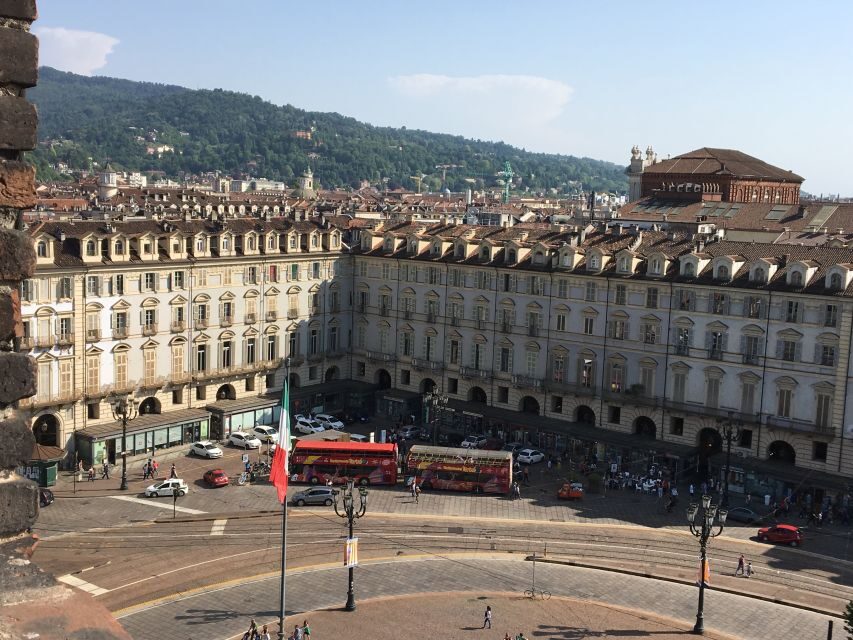
This tour is a focused food walk in Turin’s historic center, not a museum-style lecture. You meet up, then head into the old streets where most visitors end up just passing by storefronts. Here, you use those streets for navigation and timing, because each stop is tied to a specific dish.
The practical win is that you get structure. With only 3 hours, you can’t wander and hope to stumble on the right places for Piedmont classics. With a guide, you know you’ll hit the expected hits—sweet treats, a signature drink, a savory course, and then cheese—without turning it into a stress-fueled search.
Another nice detail: the tour is offered in English, Spanish, Italian, and French, and it’s wheelchair accessible. That matters because food tours often assume everyone can keep up in tight spaces. If mobility is a concern, this format is a good sign that the tour operator thought about access.
If you're still narrowing it down, here are other tours in Turin we've reviewed.

Meeting at the Statue and How the 3-Hour Flow Works
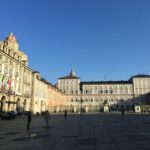
You’ll start and end at the same spot: meet your guide at the statue in the center of the square, then the experience finishes back there. That keeps the logistics simple. You don’t need a mental map of transfers or a second meeting point.
The total duration is 3 hours, and starting times depend on availability. In that window, the tour is paced to keep moving while still giving you time to taste, listen, and reset before the next stop. You’ll be walking through the historic center, where streets can be narrow and the terrain is the kind where comfortable shoes are non-negotiable.
Here’s the real planning advice: wear shoes that can handle uneven pavement, and plan to be on your feet for most of the tour. It’s not a sit-and-wait experience.
Gianduiotto: The Hazelnut Chocolate You’ll Want to Remember
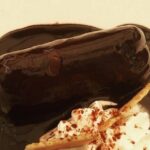
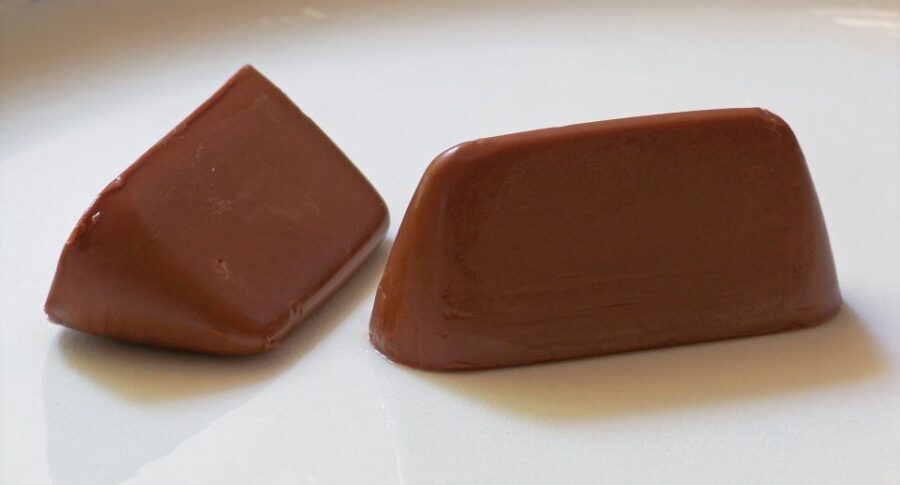
Gianduiotto is one of those Turin sweets that feels like a local inside joke—except you’re invited into it immediately. You’ll taste this ingot-shaped chocolate and learn why it became a Piedmont signature.
The key story is simple and surprisingly relevant to what you taste: gianduiotto is tied to the idea of a cocoa blockade during the Napoleonic period, when cocoa was considered a luxury and hard to get at a normal price. When chocolatiers needed a practical substitute, hazelnuts—grown in the region’s hills and widely available—became an answer.
Why this matters for you: it turns the chocolate from just dessert into a regional snapshot. One bite gives you a flavor cue for the Piedmont landscape and the economics that shaped it. Even if you already like chocolate, this is the kind of tasting that makes you understand why the recipe looks the way it does.
Bicerin: The Coffee-Chocolate-Milk Sipper in a Round Glass
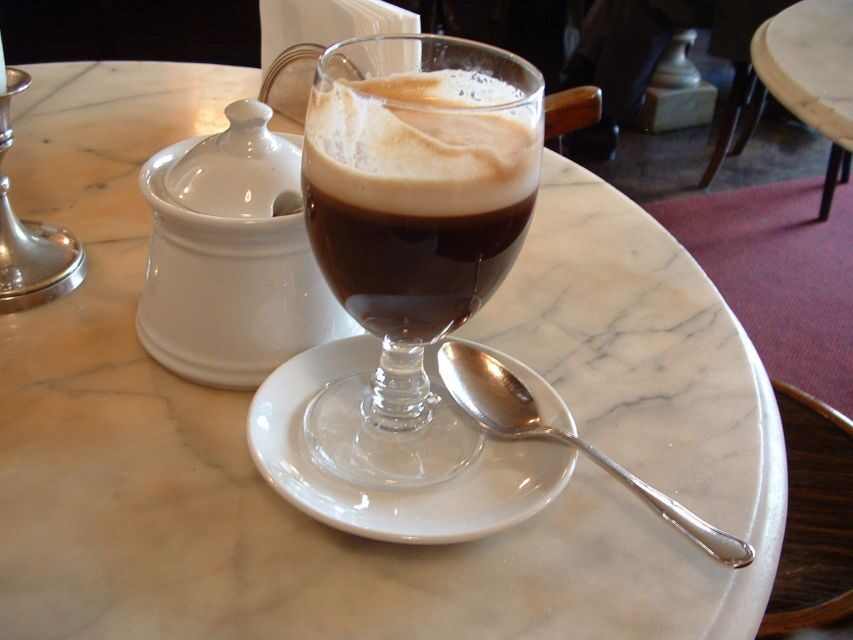
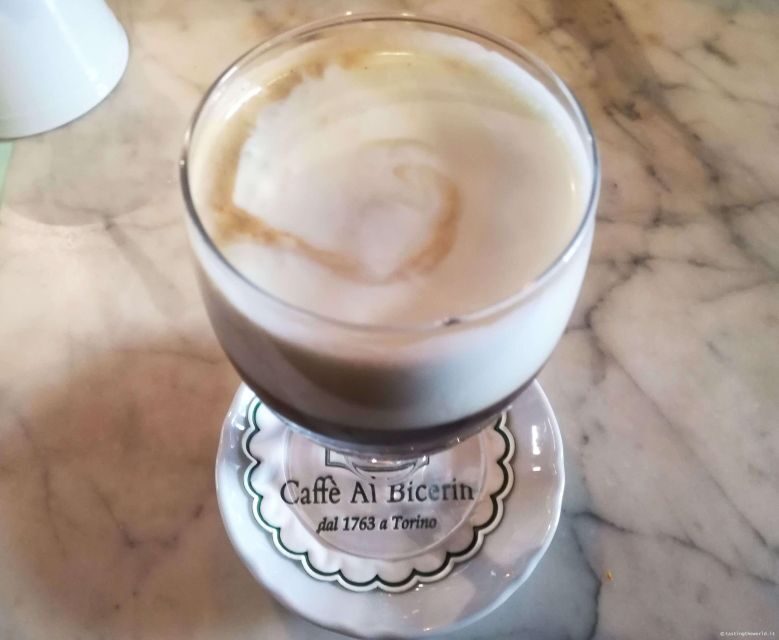
Next comes bicerin, a Piedmont drink that literally means glass. It’s a non-alcoholic mix of coffee, chocolate, and milk cream, and it’s traditionally served in a round, transparent glass.
You also get a quick historical thread: bicerin is connected to an 18th-century drink called bavareisa. That background helps you place what you’re drinking in the larger story of European coffee and chocolate traditions, not just in Turin folklore.
The practical takeaway: bicerin is a dessert-adjacent drink, so it pairs well with the sweets you tasted earlier. It also gives you a break between savory stops while keeping the tasting theme consistent.
And if you like coffee flavors, you’ll appreciate the balance here—coffee and chocolate aren’t competing. They’re working together in a creamy structure designed for sipping.
Vitel Tonnè with Wine: Anchovies, Salt, and a Famous Sauce
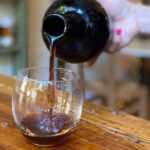
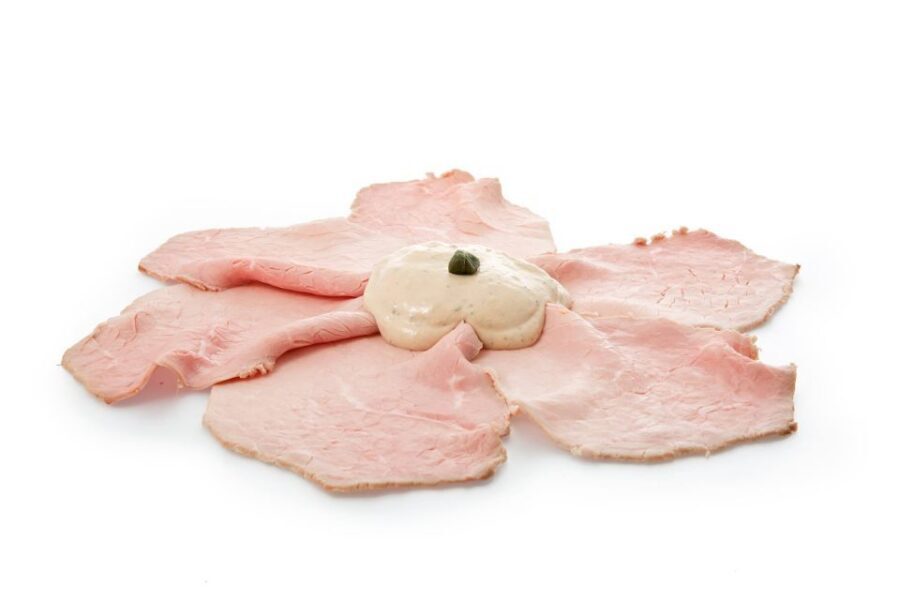
Then the tour turns savory with vitel tonnè, served with a glass of wine. The name comes from Piedmontese dialect, and it refers to a meat dish topped with an anchovy sauce.
This is one of the dishes where the “why” feels as important as the “what.” The origins are described as mysterious, but there’s a known practical reason anchovies were common: anchovies from nearby Liguria were used as an alternative to salt when salt prices were prohibitive in the Middle Ages.
So instead of treating the anchovy sauce like a weird culinary quirk, you taste it with context. It’s salty, but in a historical way—flavor shaped by what was affordable and available. The wine is there because Piedmont food culture doesn’t split sweet and savory into separate worlds; it blends them.
If you’re not a huge fan of anchovies, this is still worth trying, because the tasting format is controlled. You’re sampling as part of a curated sequence, not committing to a full plate of something unknown.
Local Cheeses and the Meaning of DOP Labels
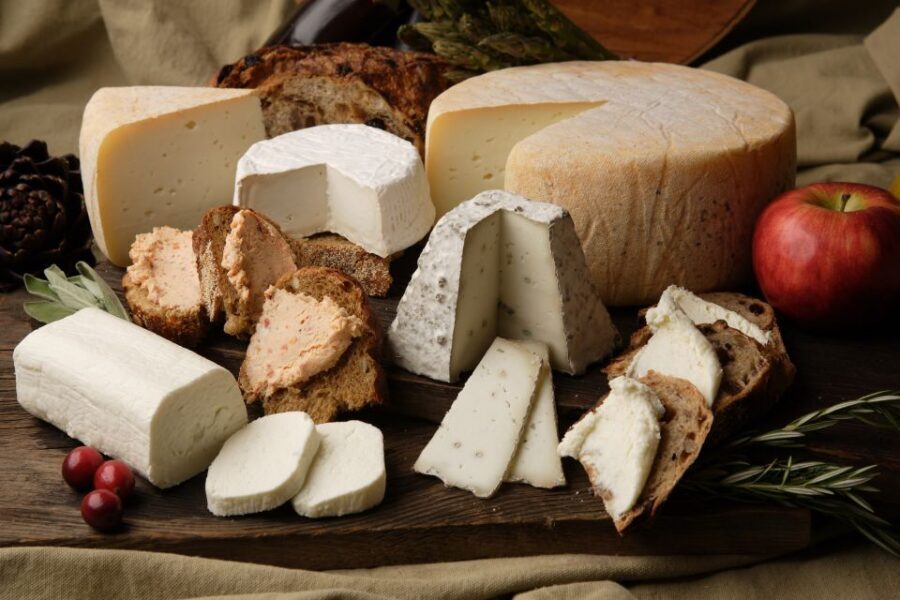
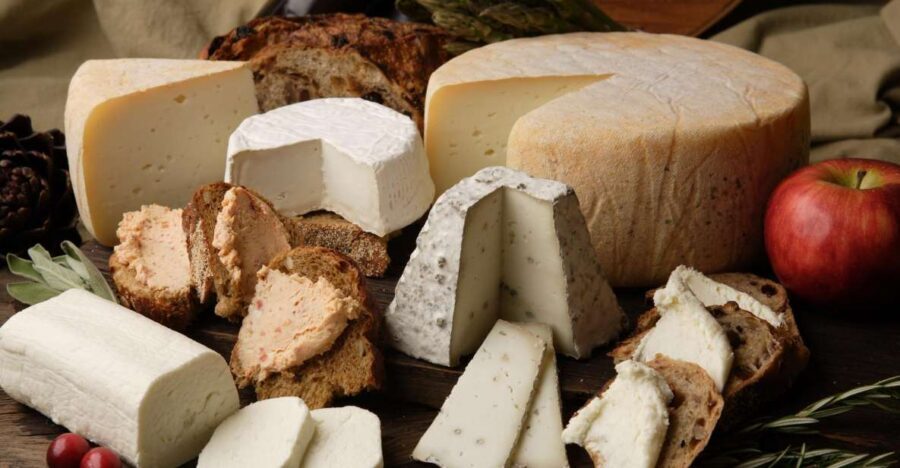
After the savory and cheese-worthy moment, you’ll sample an array of local cheeses, and many of them are recognized with protected designation of origin (DOP) status.
What DOP adds for you: it signals that the cheese isn’t just “from somewhere near Turin.” It’s tied to defined rules for production and origin. That means the tasting isn’t random; you’re tasting products with standards and geography behind them.
Even if you don’t speak Italian, you’ll likely be able to follow the guide’s explanations around what you’re tasting—textures, flavor directions, and how to read the idea of origin in the final bite. Cheese tastings can be abstract when you don’t know what to look for, but DOP makes it easier to pay attention to the label logic as part of the experience.
Practical tip: cheese can be intense. If you know you’re sensitive to strong flavors, take small bites and pace yourself. The tour is only a few hours long, and the goal is enjoyment, not stuffing.
Your Guide: What Makes This Tour Feel Personal
The guide is the engine of the tour. The strongest feedback centers on guides who know Turin food culture and can explain the dish stories clearly—so you don’t need to hunt online later just to understand what you just tasted.
In particular, guides named Laura and Lara have been praised for a blend of history, culture, and genuine passion for food. That combination matters because it changes the experience from “here’s a bite, next stop” into “now I understand why this belongs here.”
A good guide also helps you get your bearings in the historic center. You’re walking, but you’re also learning—how the city’s tastes developed, why specific ingredients show up, and what the terms mean in Piedmontese and Italian food culture.
If you care about context—more than just collecting a checklist of famous foods—this is the part that will make you feel the tour was worth your time.
Price and Value: What $129.14 Gets You
At $129.14 per person for a 3-hour guided walking tour, you’re paying for four things that are hard to replicate on your own:
- A planned route through Turin’s historic center
- A local guide who translates dish stories into plain language
- Five traditional tastings (sweet, drink, savory, and cheeses)
- Access to food stops that match the Piedmont theme instead of random tourist snacks
Is it cheap? No. But it’s not paying-for-pretty-views cheap either. The value is in the combination: guide-led explanations plus actual food samples, not just sightseeing with a pastry break.
Where the price may feel less worth it: if you’re the type who wants a full meal with long sits and no tasting format. This tour is designed for sampling, so you may end up wanting a bigger dinner afterward.
What to Bring and How to Get the Most Out of the Walk
This tour is simple on paper, but you’ll enjoy it more with the right setup.
Bring:
- Comfortable shoes for a historic-center stroll
- A water habit (you’ll be tasting and talking for a few hours)
Think about pacing:
- Eat normally beforehand but don’t show up stuffed. Tastings are portions, and you want room to enjoy all five.
- Keep your expectations flexible. The charm is in trying a sequence of Piedmont classics, not only in finding your single favorite.
Also, if you have dietary restrictions or strong preferences, you’ll want to consider how the tastings are structured. The details provided here focus on traditional dishes, so it’s smart to confirm what you can swap when you book.
Who This Tour Fits Best (and Who Might Want Something Else)
This tour is a strong fit if you:
- Want Piedmont flavors without doing heavy planning
- Like learning why dishes exist, not just what they are
- Enjoy a walking experience through Turin’s historic center
- Want a guided approach to tasting iconic local items like gianduiotto and bicerin
You might consider a different option if you:
- Need fully seated time and dislike walking for most of the experience
- Expect a complete, sit-down dinner experience
- Prefer to order exactly what you want instead of sampling a curated menu
For a first visit to Turin, this kind of tour is especially practical because it teaches you what to look for once you’re wandering on your own after.
Should You Book This Turin Gastronomy Tour?
If you want a quick, guided way to understand Piedmont through food, I’d book it. The tour’s strength is the pairing of tastings with clear explanations—why gianduiotto leans on hazelnuts, what bicerin really is, and how anchovies became a practical solution in vitel tonnè. That’s the difference between a snack route and a real food story.
I’d also lean yes if you’re traveling with limited time. Three hours is enough to cover sweet, drink, savory, and cheese without burning a whole day.
Just go in with the right expectation: this is sampling. You’ll leave satisfied and informed, but you’ll likely still want to continue your meal later in Turin.
FAQ
Where does the tour start and end?
You meet your guide at the statue in the center of the square. The tour ends back at the same meeting point.
How many dishes do I sample during the tour?
The tour includes samples of 5 traditional dishes.
How long is the Turin gastronomy tour?
The experience lasts 3 hours. Starting times depend on availability.
What languages is the live guide available in?
The live tour guide is available in English, Spanish, Italian, and French.
Is the tour wheelchair accessible?
Yes, the activity is listed as wheelchair accessible.
Can I cancel for a refund?
Yes. You can cancel up to 24 hours in advance for a full refund.