REVIEW · TURIN
Turin: Art Nouveau Walking Tour with Coffee
Book on GetYourGuide →Operated by Keys of Italy/Piemonte · Bookable on GetYourGuide
Turin wears Art Nouveau like couture. In this two-hour walking tour, you’ll trace how the style landed in the city around the turn of the 19th and 20th century through real buildings, not just photos. I like that the stops are specific and visual, especially Casa Fenoglio-Lafleur with its floral façade details, and I also like that the tour doesn’t end with sightseeing-only: you get a proper coffee break in a café built in the same spirit.
The main drawback is the price. At $93 per person for a 2-hour loop, it’s a splurge, and if you’re hunting for the lowest-cost option, you may think it’s a bit steep.
On the plus side, this tour feels tightly managed. It’s a small group, the guide is live and multilingual (Spanish, Italian, French, English), and guides like Marina and Laura have been singled out for staying friendly and organized while keeping the architecture easy to follow.
In This Review
- Key highlights to look for on this Art Nouveau route
- Why Turin’s Art Nouveau fits a 2-hour walking tour
- Getting started at Principi d’Acaja and what the small-group format means
- House of Dragons: spotting the neo-Gothic French + Art Nouveau blend
- Casa Fenoglio-Lafleur: the façade details you can actually see from the sidewalk
- Villino Raby by Pietro Fenoglio and Domenico Smeriglio
- Chiesa di Gesù Nazareno: a church with Art Nouveau influences
- Coffee break in an Art Nouveau-style café: why it’s part of the experience
- Price and value: what $93 buys you in Turin
- Who should book this Turin Art Nouveau tour with coffee?
- Should you book this Art Nouveau walking tour in Turin?
- FAQ
- How long is the Turin Art Nouveau walking tour with coffee?
- Where do I meet the guide?
- What’s included in the price?
- Which languages are available for the live guide?
- Is the tour wheelchair accessible?
- Can I cancel for a full refund or pay later?
Key highlights to look for on this Art Nouveau route
- Meet at Principi d’Acaja so you start fast and don’t waste time figuring out logistics
- House of Dragons: a striking blend of neo-Gothic French style and Art Nouveau
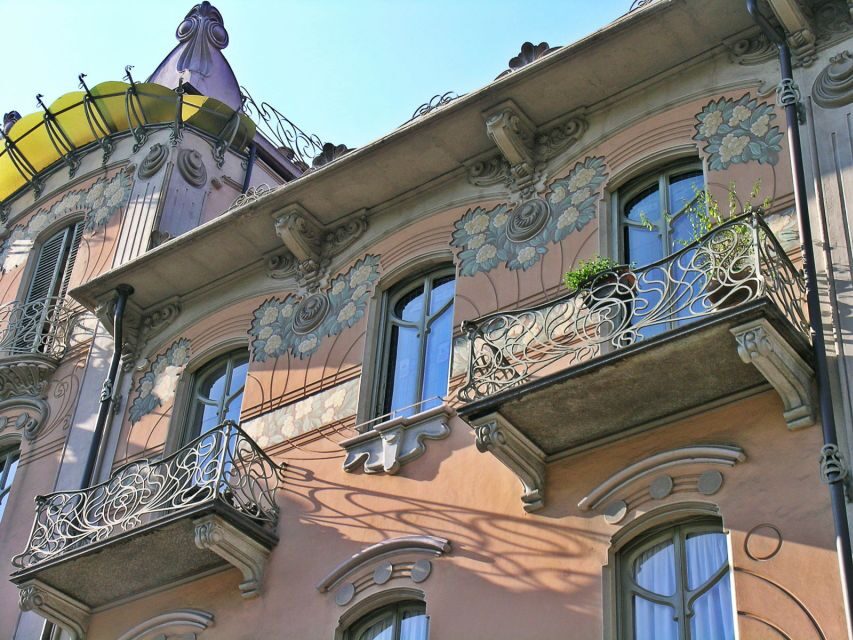
- Casa Fenoglio-Lafleur: floral friezes, wrought-iron balconies, and polychrome glass you can actually spot as you walk
- Villino Raby: a Pietro Fenoglio masterpiece with bow-window drama and details by Domenico Smeriglio
- Chiesa di Gesù Nazareno: neo-Gothic structure with Art Nouveau influences and a high bell tower
- Coffee break in an Art Nouveau café: espresso as part of the experience, not an afterthought
Why Turin’s Art Nouveau fits a 2-hour walking tour
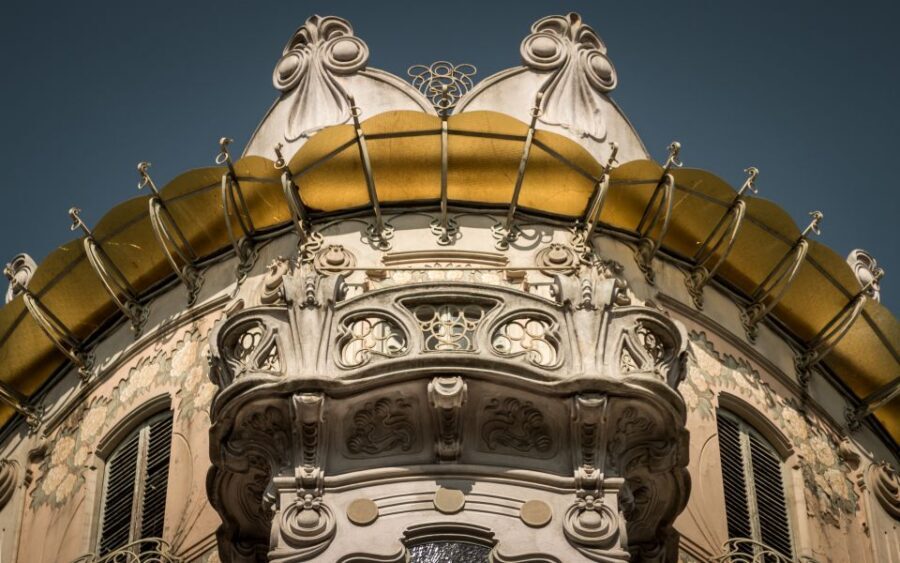
Turin is often treated like the Italian cousin of Milan when it comes to design, but it has its own Art Nouveau story—and it shows up everywhere once you know what to look for. This tour is timed perfectly for people who want the style explained, then proven on the street with standout façades and one carefully chosen church stop.
I like that the focus stays on what you can see: ornamental stonework, iron balconies, and decorative glazing, plus the way architects mixed design languages. The description of the House of Dragons alone tells you this won’t be a single-style lecture. You’ll hear how elements of neo-Gothic French taste got mixed with Art Nouveau, a combination that was especially popular in Turin at the turn of the 19th and 20th century.
And you’ll finish with coffee in a café also built in Art Nouveau style. That matters more than you might think. It gives you a chance to slow down, look back at the buildings you just studied, and connect the dots between architecture and daily life in period Turin.
Other walking tours we've reviewed in Turin & Piedmont
Getting started at Principi d’Acaja and what the small-group format means
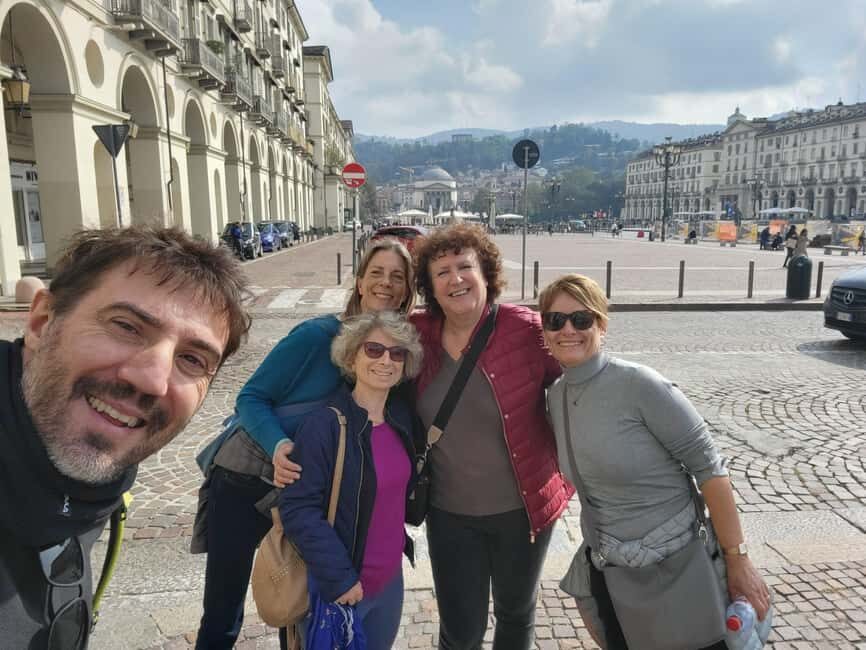
You meet the guide in front of the Metro stop of Principi d’Acaja. That’s a good thing. It means you’re starting from a clear transit point, not a hidden side street. It also tends to make the first moments smoother for people who arrive a little late, since everyone has the same anchor.
The tour runs for about 2 hours and is designed to feel manageable on foot. You’ll be moving between stops with the guide directing your attention to the details that make each building Art Nouveau in the first place. In other words, you’re not just walking and hoping you notice the right stuff.
Because this is a small group, it’s easier to ask questions and to stay oriented. The guide is live and comes in multiple languages (Spanish, Italian, French, English), so you won’t lose the thread if you prefer a specific language. Reviews also suggest the guides keep the pace friendly, so you don’t end up with a long lecture.
If you’re the type who likes to photograph façades, bring your patience for close-up detail—Art Nouveau rewards slow looking. If your goal is to rack up big-ticket landmarks, this might feel more focused on style than spectacle.
House of Dragons: spotting the neo-Gothic French + Art Nouveau blend
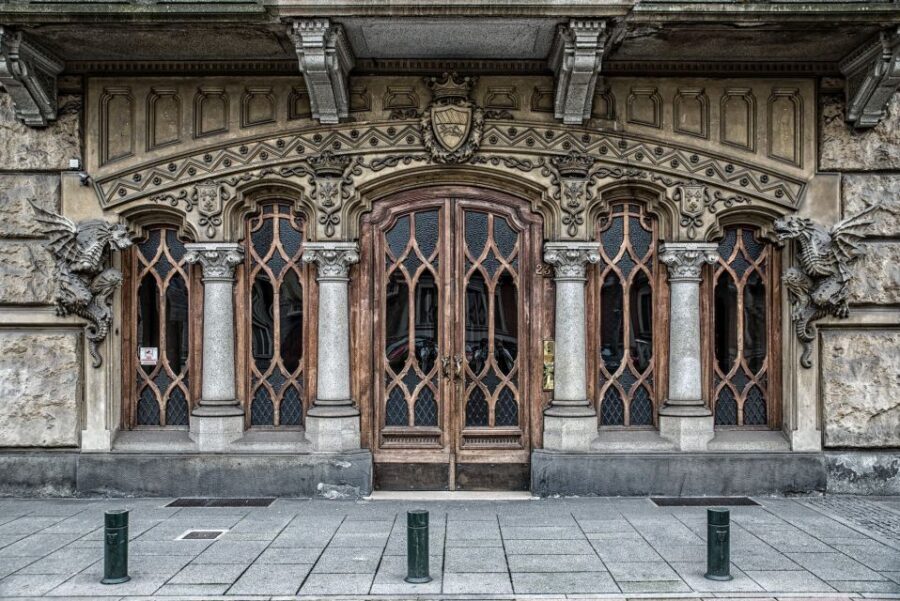
The tour starts by introducing Turin’s Art Nouveau as a movement with personality. One of the first key stops is The House of Dragons, described as one of the city’s most valuable examples of the skillful mix between neo-Gothic French style and Art Nouveau. That line matters because it tells you what the guide will likely help you notice: Art Nouveau isn’t always pure curving flowers and whimsy. In Turin, it can mix with other design ideas to create something sharp and dramatic.
At this stop, you’ll want to look for ornamental drama rather than just floral patterns. The “neo-Gothic French” element tends to show up as a more structured, vertical feel, while Art Nouveau contributes curves, stylization, and an emphasis on the façade as a full design surface. Even if you’re not an architecture nerd, you’ll get the idea quickly once the guide points out how the building balances those influences.
A good way to experience it is to stand back for a few seconds, then move in. At first glance, your brain searches for familiar shapes. After that, the details start to click: the way the ornament frames the building, the way the façade feels “composed” rather than decorated after the fact.
This stop is especially useful if you’ve heard the term Art Nouveau but never learned how it can vary by city. Turin’s version looks different than what you may expect.
Casa Fenoglio-Lafleur: the façade details you can actually see from the sidewalk
Next up is Casa Fenoglio-Lafleur, a house that grabs your attention immediately. The standout points are the floral friezes that cover the façade, wrought-iron balconies, and polychrome glass. That’s a perfect mix for a walking tour because each item is visible in different ways: carvings and relief at street level, metalwork you can spot along the middle, and colored glazing that catches the eye higher up.
Floral friezes sound decorative, but in Art Nouveau they usually serve a bigger job. They create rhythm across the façade, making the building feel like it’s part nature, part artwork. The wrought iron balconies add another layer by turning “standard railing” into sculpture. And polychrome glass adds color and light—things that change as the day moves.
I like that the tour doesn’t treat these as random pretty details. You’ll learn how they fit the broader Art Nouveau idea: turning everyday space (housing, storefronts, entries) into a designed experience. You get the feeling that the people who built these places cared about how it looked from the street, not only from inside.
If you’re someone who loves taking photos, this is the moment. Just be smart: don’t block doorways, and don’t rush the close-up shots. Let the guide’s cues guide your eyes first, then take your pictures second. You’ll come away with fewer random images and more intentional ones.
Villino Raby by Pietro Fenoglio and Domenico Smeriglio
A highlight of this route is Villino Raby, described as one of Pietro Fenoglio’s masterpieces. Fenoglio is an essential name if you’re trying to understand how Turin shaped and expressed Art Nouveau through its architects. This stop is also packed with concrete visual cues that help you understand why it’s considered a masterpiece.
The tour points out that the wrought iron railings lead to rooms with a large bow-window and decorations by Domenico Smeriglio. That combination is important. The railings tell you the façade and the approach are part of the design story. The bow-window introduces a different kind of architectural personality—more dynamic and outward than a flat façade element. And the mention of a specific decorator (Smeriglio) gives you a clear sense of how many specialists and hands were involved in producing the finished look.
Practically, this stop teaches you to read Art Nouveau as a system, not as a single motif. You’re looking at the whole composition: entry elements, façade structure, and how decorative work connects to architectural form.
One caution: because this is about design details, it’s easy to feel like you’re “too far away” if you don’t position yourself right. Stand where you can see the railing and façade line, then shift slightly. The goal is to connect the decorative pieces to the building geometry.
Other walking tours we've reviewed in Turin & Piedmont
Chiesa di Gesù Nazareno: a church with Art Nouveau influences
Most people associate Art Nouveau with homes and commercial façades, so it’s a treat when the style shows up on a major public building. The tour includes Chiesa di Gesù Nazareno, built at the start of the 20th century as part of a project by architect Giuseppe Gallo.
You’ll see the church described as neo-Gothic in style, but with Art Nouveau influences. The building is dominated by a high bell tower, with a richly decorated façade. This is one of the easiest stops to understand if you keep one idea in mind: even when the architecture has a neo-Gothic backbone, Art Nouveau can “decorate the expression,” adding stylization, flourish, and a different way of handling ornament.
This stop is also useful for your overall understanding of Turin. It helps you see that Art Nouveau wasn’t limited to one kind of neighborhood or one kind of building. It could show up in places tied to civic identity—churches included.
If you’re visiting Turin and want the quick education route, this church stop helps you connect what you’ve seen on residential-style façades to a broader urban design language.
Coffee break in an Art Nouveau-style café: why it’s part of the experience
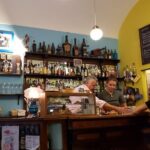
The tour includes a coffee break in a traditional café that’s also built in Art Nouveau style. The guide doesn’t treat coffee as an end-of-tour convenience item. They treat it as another “design scene” in the same walking story.
From a practical point of view, a break is also smart timing. Two hours on foot is enough time to get your eyes tired. Coffee gives you a reset. From a design point of view, it’s a clever comparison. You’ll have been looking at façades outside. Now you get to experience how design style can show up in the interior world too—especially since the café is built in the same era and aesthetic.
And yes, the espresso gets attention. Several comments highlight that it’s a nice extra, not just a token stop. Even if you keep it simple—one coffee and a quick chat—it gives your brain time to sort what you saw into themes: floral ornament, ironwork sculpture, and the mixing of styles.
If you have dietary needs, you’ll want to check on the spot what options are available, since the only confirmed detail here is a coffee break, not a specific menu item list.
Price and value: what $93 buys you in Turin
At $93 per person for a 2-hour small-group tour, the value question is fair. If you measure value only by minutes and cost, it might look pricey. One of the tradeoffs with a guided architecture experience is that you’re paying for interpretation: the guide helps you see, not just walk.
But interpretation is what makes Art Nouveau click. Without guidance, you can easily pass beautiful details and still not understand what connects them. This tour is built around specific buildings, and it explains the style’s background, including how Turin’s Art Nouveau took shape in relation to other tastes like neo-Gothic French influence.
So I’d call this good value if:
- you want a clear set of stops with guidance on what to look for
- you care about architecture details like balconies, ironwork, and decorative glazing
- you’ll actually use the time to learn, not just to browse
I’d think twice if:
- you’re trying to keep costs low
- you prefer slow independent wandering without a structured storyline
- you want only the most famous monuments, since this route is intentionally style-focused
Who should book this Turin Art Nouveau tour with coffee?
This tour is a strong fit for you if you’re interested in design, facades, and the way architecture reflects the era that built it. It’s also good if you’ve seen a few Art Nouveau buildings before, but you want Turin’s version explained in plain terms and tied to recognizable features.
It’s especially useful for couples and small groups who want a shared sightseeing thread. The coffee break gives you an easy moment to talk about what you just noticed. And since the tour offers live guidance in multiple languages, you can match your comfort level instead of forcing yourself to learn in a language you’re less confident with.
If your travel style is more about big-ticket sights and long museum time, you might find this shorter tour a little too focused. Still, as a design-focused add-on, it works well as a morning or afternoon activity.
Also, if you’re someone who likes accessibility-friendly planning: the tour is listed as wheelchair accessible, and it’s designed as a walking route with a fixed meeting point.
Should you book this Art Nouveau walking tour in Turin?
I think it’s worth booking if you want Turin’s Art Nouveau explained through a tight set of standout buildings, and if you’ll appreciate the detail-level focus. The stops are specific (House of Dragons, Casa Fenoglio-Lafleur, Villino Raby, and Chiesa di Gesù Nazareno), and the coffee break in an Art Nouveau café adds a nice, coherent finish.
I’d skip it if $93 feels like money you’d rather spend elsewhere, or if you’re the kind of visitor who only likes open-ended wandering. In that case, you might prefer a self-guided route. But if you want structure, guidance, and a clear “what to look for” payoff in just two hours, this tour hits the mark.
FAQ
How long is the Turin Art Nouveau walking tour with coffee?
The tour lasts 2 hours.
Where do I meet the guide?
Meet the guide in front of the Metro station at Principi d’Acaja.
What’s included in the price?
You get a guided walking tour and a coffee break.
Which languages are available for the live guide?
The guide is available in Spanish, Italian, French, and English.
Is the tour wheelchair accessible?
Yes, the tour is listed as wheelchair accessible.
Can I cancel for a full refund or pay later?
Yes. You can cancel up to 24 hours in advance for a full refund, and you can reserve now and pay later.