REVIEW · TURIN
Turin: Private Tour on The Path of The Holy Shroud
Book on GetYourGuide →Operated by SOMEWHERE TOURS&EVENTS · Bookable on GetYourGuide
One of Europe’s biggest religious mysteries is right here in Turin. This private 3-hour tour connects the Shroud’s legends to the buildings that hold its story, with a guide helping you make sense of the big authenticity questions. I especially like the way the tour starts with the Museo della Sindone first, so the myths and evidence don’t float in the air. And I love ending with the Chapel of the Holy Shroud in Guarino Guarini’s celebrated Baroque style.
There’s one key consideration: the real Holy Shroud is not exposed right now, so this is about history, preservation, and what’s shown (and not shown). Dress matters too, since short skirts and sleeveless shirts aren’t allowed inside.
In This Review
- Key things you’ll notice on this Holy Shroud walk
- The Holy Shroud in Turin: why this tour feels like a live mystery
- A tight 3-hour plan that doesn’t feel rushed
- Step 1: Museo della Sindone, where the big authenticity questions start
- Step 2: St. John the Baptist Cathedral and the dome visit
- Step 3: Chapel of the Holy Shroud by Guarino Guarini
- Step 4: Real Chiesa di San Lorenzo for a Turin bonus layer
- Price and value: what you’re paying for at $226.57 per person
- Who this tour suits best (and who might want a different plan)
- Should you book the Path of the Holy Shroud private tour?
- FAQ
- What is the duration of the private Turin tour on the Path of the Holy Shroud?
- Is the real Holy Shroud exposed during the tour?
- What stops are included in the tour?
- Where does the tour start and finish?
- How much does it cost?
- Are entrances included?
- Are tickets line-free?
- Does the tour offer hotel pick-up?
- What languages are available for the guide?
- What dress code rules should I follow?
Key things you’ll notice on this Holy Shroud walk
- Museo first, questions answered as you go: you get the authenticity context before you enter the cathedral spaces.
- A guided look at the Shroud’s preservation: the tour focuses on how the linen has been kept and why that matters.
- St. John the Baptist Cathedral visit: you’re taken to the Renaissance setting tied to the Shroud’s most special occasions.
- Guarino Guarini’s Chapel: the Baroque architecture is a main character even when the Shroud isn’t on display.
- An extra church stop: the Real Chiesa di San Lorenzo adds a local Turin layer beyond the Shroud core.
The Holy Shroud in Turin: why this tour feels like a live mystery
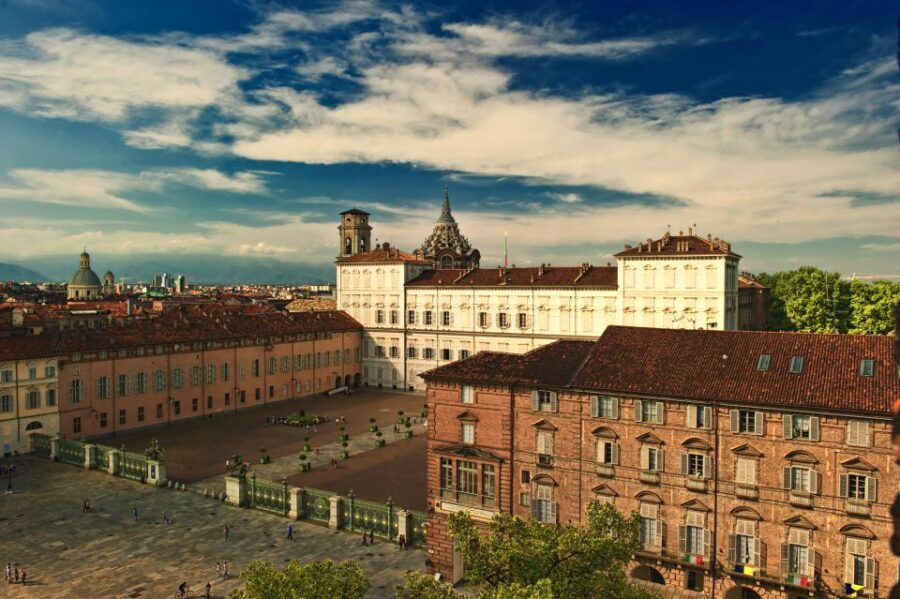
Turin can feel like a “bigger-than-you-think” city: polished streets, church domes, and royal-era stories mixed into the modern rhythm. The Holy Shroud is the magnet behind it all. Even if you don’t treat the Shroud as a certainty, you still can’t ignore how tightly it’s woven into religious life, royal history, and ongoing debate.
What I like about this Shroud-focused tour is that it doesn’t push you into one storyline. It gives you the legend that the burial garment reached Turin in 1578, linked to the Dukes of Savoy. Then it follows the natural questions from there: where it may have been before, whether any famous secret-order theories fit, and why people keep coming back to Turin long after the initial story becomes old.
This is also where a good guide earns their fee. Names that come up strongly for this experience include Elisa and Antonella, both described as friendly, accommodating, and strong on history. That matters, because the Shroud’s world includes both sacred setting and skeptical questions. You don’t want a lecturer. You want someone who can keep the tone respectful, while still helping you understand what’s being claimed and why.
Other private tours with a local in Turin & Piedmont

A tight 3-hour plan that doesn’t feel rushed
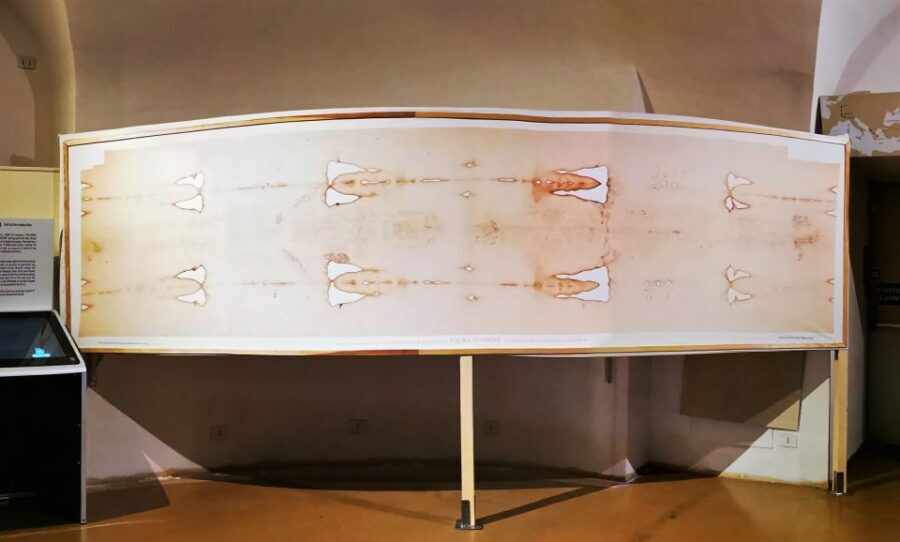
This is a private group walking tour built for about 3 hours, which is just long enough to see the main locations without turning the experience into a checklist sprint. You also get to skip the ticket line for the Shroud-related sites included on the tour, which helps on a city day when you might already have plans.
Language options are excellent for an Italy-based experience. The live guide can work in Italian, English, French, German, Spanish, Japanese, Russian, and Portuguese, so you’re not stuck listening to summaries that don’t match what you want to ask.
If you’re staying somewhere central, you may also get complimentary hotel pick-up, which can save you time and walking stress. (Just know that the detailed start location is tied to the museum area.)
Dress code is straightforward but important: no short skirts, no sleeveless shirts. Even if the day is hot, plan to cover up. It’s one of those rules that you’ll be glad you respected once you’re inside.
Step 1: Museo della Sindone, where the big authenticity questions start
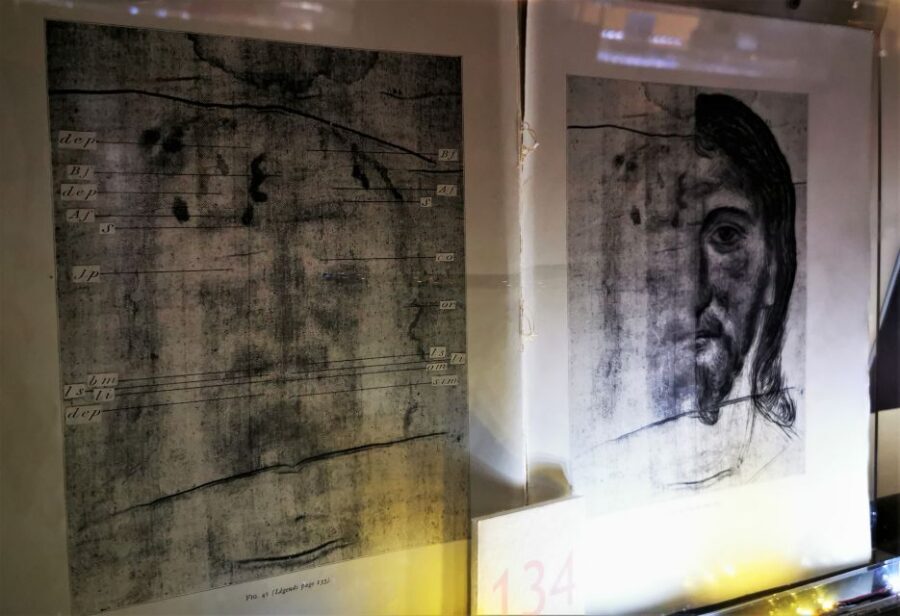
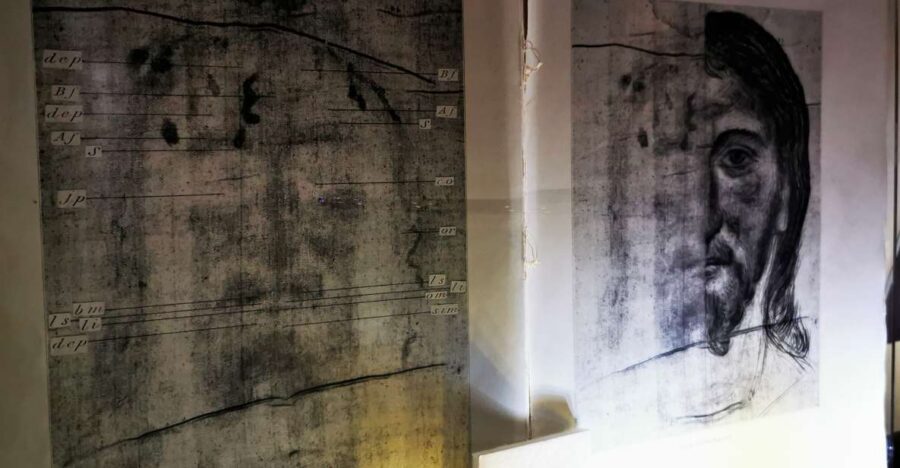
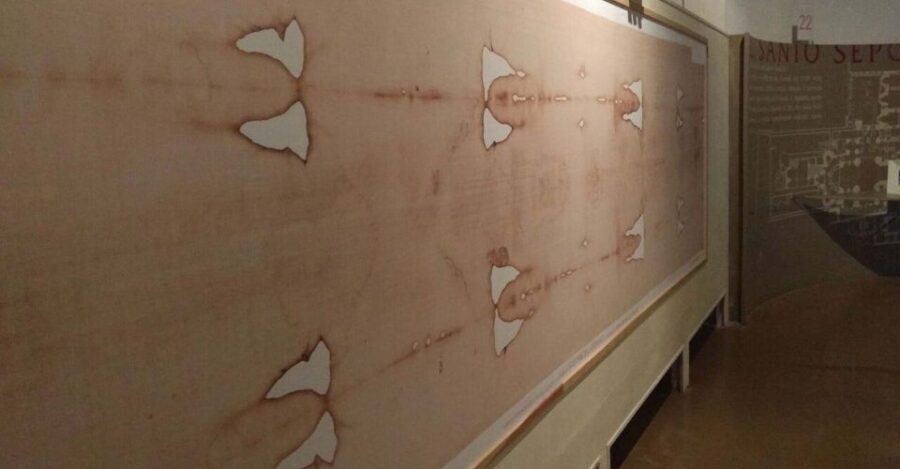
The tour begins at Via San Domenico 28, at the Museo della Sindone, with a guided visit of about 1 hour. This is the smartest place to start, because it sets expectations. The Holy Shroud draws people from around the world, but many visitors arrive with only the headline story. Here, you get the framework that makes the rest of the buildings meaningful.
In the museum, you’ll spend that first hour working through the most persistent question: what is the Shroud, what has been claimed about it, and why does authenticity keep showing up in the conversation? The tour doesn’t treat debate like an inconvenience. It treats it like part of the story—exactly what you’d want from a Shroud tour.
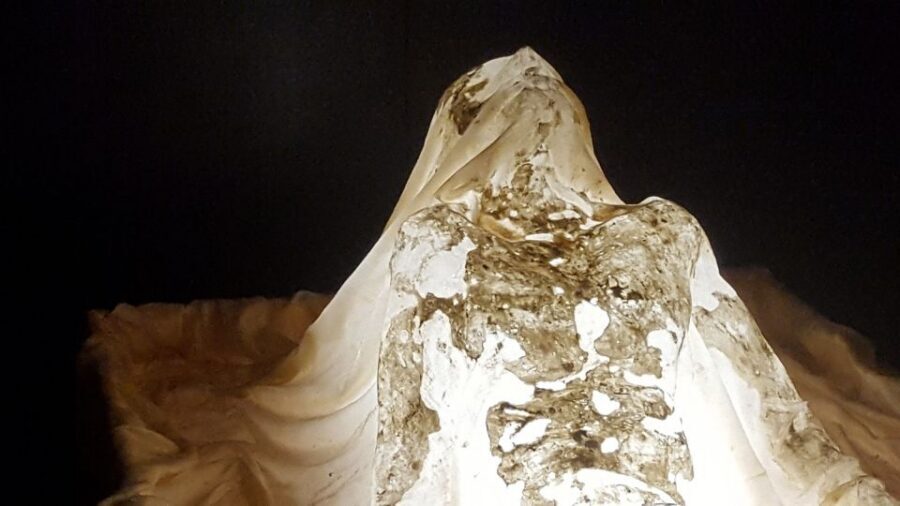
You’ll also hear about preservation and what it means that the linen has been kept for a very long time in the royal chapel setting connected to San Giovanni Battista. That detail is key. When you understand the idea of long-term preservation, you stop thinking of the Shroud as a one-time religious prop and start thinking of it as a carefully guarded object with a chain of custody history that people analyze.
One practical note: since the Shroud itself is not exposed right now, the museum is where you’ll get the most direct sense of the subject. It’s the part of the tour you’ll likely be glad you did even if your priority is architecture and atmosphere later.
Step 2: St. John the Baptist Cathedral and the dome visit
After the museum context, the tour moves to the Cathedral of Saint John the Baptist for a guided visit of around 30 minutes. This stop is all about location and meaning. This cathedral setting is dedicated to St. John the Baptist, and it’s the religious centerpiece tied to the Shroud’s special occasions.
Even if you’ve seen plenty of Italian churches, Turin’s cathedral atmosphere is different in tone. You’re stepping into a Renaissance framework that helps explain how a relic story can survive centuries: not just through legend, but through the physical spaces that communities build around it.
This is also where the Shroud’s “rare display” theme becomes concrete. The tour makes it clear that the Shroud isn’t regularly shown. Instead, the story centers on the idea of solemn access—what it means to have something held in a way that only certain moments allow viewing.
There’s an extra layer you might find interesting if you’re timing your trip around major events. The cathedral is one of the churches where you can seek a plenary indulgence in connection with Jubilee 2025. If your travel dates line up with that, it adds a live, current-world reason to connect with the cathedral beyond architecture.
What to watch for here: keep your eyes open for how the guide ties the cathedral setting back to the Shroud narrative you learned in the museum. When this clicks, the tour stops being two separate visits and becomes one story.
Step 3: Chapel of the Holy Shroud by Guarino Guarini
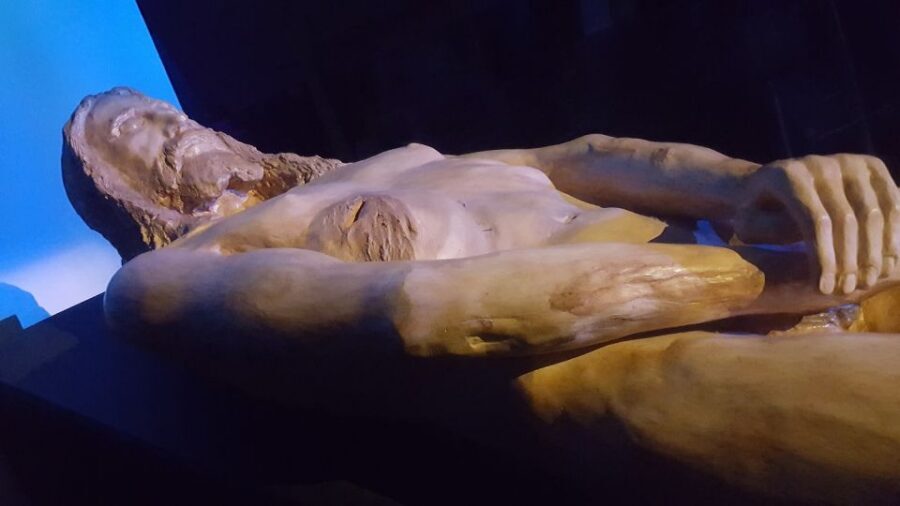
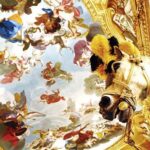
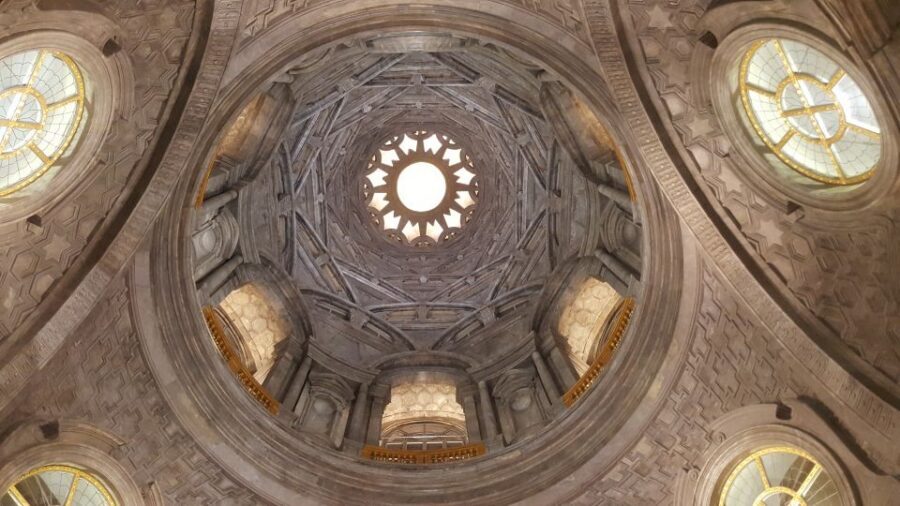
The final main Shroud stop is the Chapel of the Holy Shroud, with a guided visit of about 45 minutes. This is the Baroque moment of the tour and the one you’ll likely remember most visually.
The chapel is attributed to Guarino Guarini, and it’s described as one of the most famous Baroque buildings in the world. That’s the kind of claim that can sound marketing-y, but here it works because Baroque architecture is designed to produce emotion—through structure, light, and dramatic form. Even without the Shroud on display, the chapel still tells you what kind of reverence this subject generates.
Since the real Shroud isn’t currently exposed, you’ll be experiencing the space as a designed container for belief, memory, and ritual. That changes the feel. Instead of chasing a view of linen, you’re paying attention to how the chapel supports the idea of a sacred object that is rare, protected, and treated with caution.
This is also where the guide’s role matters again. A strong guide helps you connect what you’re seeing—curves, details, the overall theatrical feel—to why Baroque patrons would invest in a chapel like this. You’ll start to understand the logic: if something is central to devotion and debate, the architecture around it has to match the weight of that attention.
Small tip: plan to slow down during this part. The chapel is meant to reward standing still and looking up.
Other Holy Shroud tours in Turin
Step 4: Real Chiesa di San Lorenzo for a Turin bonus layer
The tour includes an additional stop: the Real Chiesa di San Lorenzo in Turin, with a guided visit of about 30 minutes. This isn’t a Shroud-spot in the same direct way as the museum or the chapel, but it’s valuable because it widens your Turin lens.
Shroud tours can sometimes feel like they take you to a religious “theme zone.” This extra church stop helps you see how Turin’s sacred spaces form a network. You begin to notice patterns in style, religious devotion, and how different parts of the city hold cultural meaning even when you came for one particular relic.
If you like city tours that leave you with more than one wow moment, this stop is a plus. It also helps balance the mood: after the emotional focus of the chapel, you get a different kind of appreciation in a more local church context.
Price and value: what you’re paying for at $226.57 per person
The price is $226.57 per person for this 3-hour private experience. For a private tour, that can sound steep, but it’s worth evaluating what’s included.
You’re getting:
- a live guide
- entrance to the Holy Shroud Museum
- entrance to the Chapel of the Holy Shroud
- a guided visit to St. John the Baptist’s dome area
You’re also getting the practical benefit of skipping the ticket line, which can save energy and time in a city where lines can be unpredictable.
What isn’t included is the thing you might most want to see: the real Holy Shroud is not exposed at the moment. That means the value here is not about guaranteed viewing of the relic. The value is the guided interpretation—history, preservation context, and the key architecture tied to the Shroud’s story.
If you want the highest return on your time in Turin, this setup makes sense. You see the museum context, the cathedral setting, and Guarini’s chapel all in one focused window, with a guide translating the subject into something you can actually understand and carry with you.
Who this tour suits best (and who might want a different plan)
This tour is a great fit if you:
- want a short, focused experience centered on one of Italy’s most controversial and famous relic stories
- enjoy guided explanation over self-reading
- like architecture and places with strong cultural purpose
- appreciate a tour that treats authenticity questions as part of the journey
It’s less ideal if your top priority is seeing the Shroud itself, since it’s not on display right now. You can still enjoy the chapel and the museum, but you’ll be experiencing the Shroud’s world through preservation, setting, and meaning—not through a direct viewing of the relic.
Also, if you hate dress-code reminders, be prepared. The no short skirts / no sleeveless shirts rule is simple, but you’ll need to comply to get into the spaces comfortably.
Should you book the Path of the Holy Shroud private tour?
Yes, if you want a well-paced Shroud experience that connects the legend, the evidence-style questions, and the architecture—without wasting time. The museum-first approach is the smartest part, and Guarino Guarini’s Chapel can still deliver a strong emotional payoff even when the linen isn’t exposed. With a private guide and a strong track record of friendly, history-focused storytelling (names like Elisa and Antonella come up for a reason), this is the kind of tour where you’ll leave with clarity, not confusion.
If you’re traveling mainly for guaranteed relic viewing, you should wait until the Shroud is actually displayed. But if you’re curious about how Turin turns one object into centuries of devotion and debate, this tour is a very practical choice.
FAQ
What is the duration of the private Turin tour on the Path of the Holy Shroud?
It lasts about 3 hours.
Is the real Holy Shroud exposed during the tour?
No. The real Holy Shroud is not exposed at the moment.
What stops are included in the tour?
The tour includes the Museo della Sindone, the Cathedral of Saint John the Baptist (including the dome visit), the Chapel of the Holy Shroud, and a visit to the Real Chiesa di San Lorenzo.
Where does the tour start and finish?
It starts at Museo della Sindone on Via San Domenico 28. It finishes back near Piazza Castello.
How much does it cost?
The price is $226.57 per person.
Are entrances included?
Yes. Entrance to the Holy Shroud Museum and entrance to the Chapel of the Holy Shroud are included, along with the St. John visit.
Are tickets line-free?
Yes. You skip the ticket line.
Does the tour offer hotel pick-up?
Complimentary hotel pick-up is included if your hotel is centrally located.
What languages are available for the guide?
The guide can conduct the tour in Italian, English, French, German, Spanish, Japanese, Russian, and Portuguese.
What dress code rules should I follow?
Short skirts and sleeveless shirts are not allowed.