Turin can feel like a puzzle at first. In just about two hours, I love how this small-group walk helps you put the pieces together—street by street, square by square, with an English-speaking guide who brings the buildings to life. I especially liked the fast, focused route that covers the city’s most important “rooms,” from Via Roma down to the royal center, and the way Marina connects details you’d miss alone. One thing to consider: it’s a tight schedule, so if you want long stops inside museums, this tour is more about getting oriented than doing deep interior visits.
I also like that it’s built for real people in real time: mobile ticket, no fuss, and a group capped at 10 travelers. You’ll start at Piazza C.L.N. and finish near P.za Castello, so you get a clean arc across the historic core. A possible drawback is that one major stop—Mole Antonelliana and its museum—has an admission ticket not included, so you’ll need to decide on the spot whether you want to go in or just enjoy the exterior and viewpoints.
In This Review
- What You’ll Love Most on This Turin Walk
- A Two-Hour Turin Primer with Marina Leading the Way
- The Route: From Piazza C.L.N. to Royal Center Views
- Via Roma and Piazza San Carlo: Turin’s Polished Front Door
- Piazza Carignano and Piazza Carlo Alberto: Baroque and the Risorgimento Lens
- Galleria Subalpina and Via Po: Where Turin Slows Down
- Teatro Regio and Piazza Castello: Power, Performance, and Royal Focus
- Cappella della Sacra Sindone: A Very Specific Turin Identity
- Palazzo di Città and Via Garibaldi: Medieval Market to Roman Street
- Mole Antonelliana Finish: Icon Outside, Museum Choice Inside
- Price and Value: Why $30 Works for a 2-Hour Orientation
- Who Should Book This Turin Walking Tour (and Who Might Skip It)
- Should You Book This Turin Walk?
- FAQ
- Where does the tour start and end?
- How long is the walking tour?
- Is the tour in English?
- Is there a limit on group size?
- Are tickets included for every stop?
- Can I cancel and get a refund?
What You’ll Love Most on This Turin Walk
- Marina’s storytelling pace: clear explanations that keep moving without feeling rushed
- A perfect first-day route: elegant streets, royal landmarks, and Roman roots in one loop
- Compact time, big orientation: you’ll finish with a mental map of central Turin
- Mostly free stops: many key sights are quick exterior moments with no extra admission
- Small groups (up to 10): easier questions, fewer crowds in the way
A Two-Hour Turin Primer with Marina Leading the Way
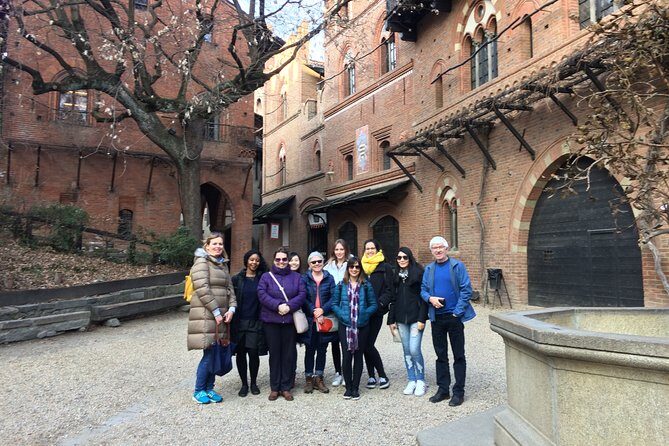
If you only have a short window in Turin, this kind of walking tour is exactly what I look for: not a sightseeing marathon, just a smart sampler that helps you read the city later. The guide on this tour is Marina, and the tone that comes through is confident and human—she’ll point out what to notice on each stop, then explain why it matters. The result is that you don’t just see palaces and churches; you understand their role in the city’s story.
The format also makes a difference. This isn’t a giant bus group that drifts past monuments. It’s a small group, and the pace is designed to keep everyone together while still leaving room to ask questions. Over two hours, that balance helps you stay engaged, even if you’re not a “stand and read plaques” type of traveler.
English is the language here, which matters in Turin because the “why this building looks like this” part is where the value lives. If you’ve ever felt like you’re guessing your way through Italian architecture, you’ll appreciate how the guide turns visual cues into explanations you can remember.
Other walking tours we've reviewed in Turin & Piedmont

The Route: From Piazza C.L.N. to Royal Center Views
The walk begins at Piazza C.L.N., Torino and ends at P.za Castello, 125, Torino. That end point is a good one, because it places you right by the royal sights, with lots of nearby cafes and onward walking options. It’s not a round-trip loop that forces you back the same way; it’s more like a gentle sweep across Turin’s historic core.
A practical note: the tour runs about 2 hours, so you’ll want to treat it like a timed orientation walk. Bring water, wear shoes that handle pavement and quick turns, and expect that some stops are brief—think “quick lesson + look around,” not long museum time.
Also, the meeting and ending spots are central. Since it’s described as near public transportation, you can fit it into almost any day plan. If you’re arriving by train or bouncing between sights, this route is easy to plug into your schedule.
Via Roma and Piazza San Carlo: Turin’s Polished Front Door
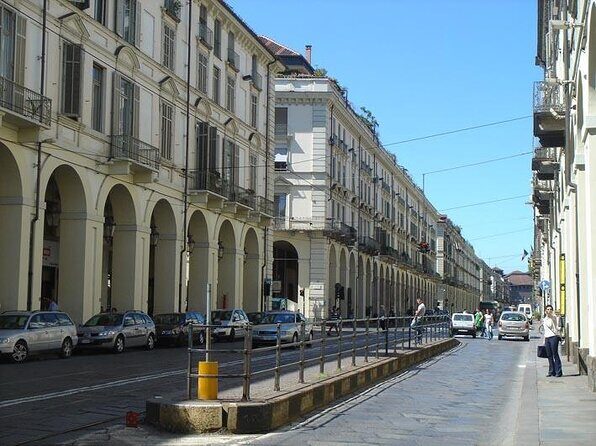
The first stretch starts on Via Roma, described as the city’s most elegant and monumental street. That word “monumental” isn’t just marketing fluff. Streets like this are where you see how a city wants to present itself—architecture, scale, and the feel of movement all combine to give Turin its refined character.
From there you move to Piazza San Carlo, which locals think of as the parlor of the city. I like this kind of stop because a square teaches you how people actually experience a town: where the sidewalks widen, how the facades frame the space, and where you naturally slow down. In a short tour, it’s a strong early payoff. You get the mood of Turin right away rather than starting at a single major landmark and hoping the rest clicks.
Tip for you: when you’re standing on the edge of a square like San Carlo, look past the first pretty facade. Try spotting lines of symmetry, how the buildings “hug” the open space, and where a promenade would naturally happen. The guide’s explanation helps you see it, but you can reinforce it yourself in a few seconds.
Piazza Carignano and Piazza Carlo Alberto: Baroque and the Risorgimento Lens
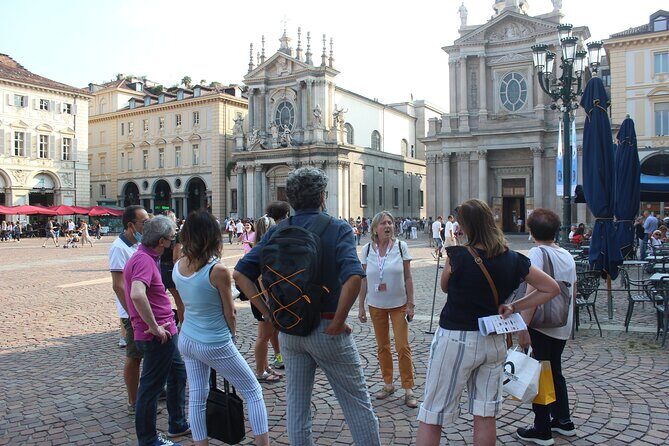
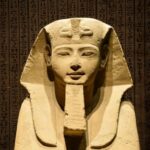
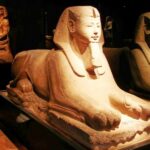
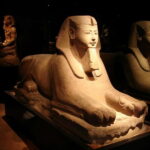
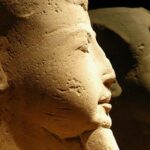
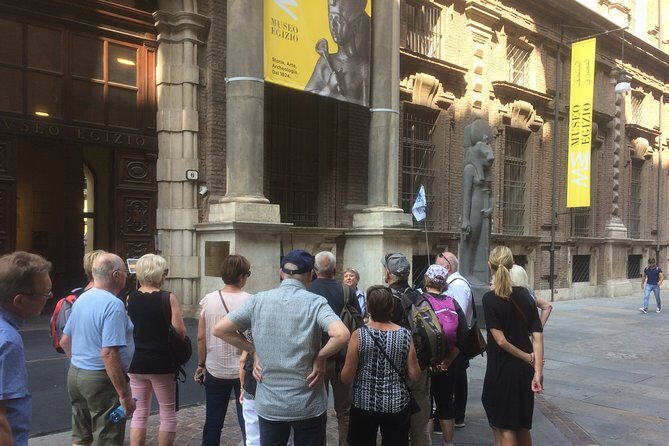
Next comes Piazza Carignano, one of Turin’s beautiful squares where baroque architecture wraps around you. This area is especially worthwhile because you’re not just collecting pretty views; you’re also learning how power and culture show up in urban design. You’ll be in front of Palazzo Carignano and linked to the area connected to the Egyptian Museum presence.
Then you reach Piazza Carlo Alberto, where the route guides you through a courtyard experience before opening into views again. The focus here is the 19th-century façade of Palazzo Carignano, which now connects to the National Museum of the Risorgimento. Even if you don’t go inside, the explanation helps you understand why this neighborhood became so important to Italy’s national narrative.
Here’s what I find useful: the tour doesn’t treat history like a timeline of dates. It shows history as something you can see—facades, courtyards, and square layouts that reflect political shifts.
Possible consideration: these stops are short. If you’re the type who wants to linger for photos without listening to a quick briefing, you’ll need to balance your camera time with the guide’s flow.
Galleria Subalpina and Via Po: Where Turin Slows Down
The tour gives you one of the most “Turin-feeling” moments at Galleria Subalpina. It’s described as one of the most charming and elegant places in the city, with a sense that time pauses. You don’t need to be an architecture nerd to understand why. Covered galleries change how sound behaves and how you experience light, and that alone makes the place memorable.
Then you head to Via Po, an 18th-century street that’s fully arcaded. Arcades are a big deal in northern Italian cities because they’re practical for weather and they also create a sense of strolling culture. You’ll also hear why Via Po is linked to the second phase of Turin’s enlargement—meaning the street reflects how the city expanded and how new neighborhoods were planned.
This is where I think the tour offers real value for future travel. After two hours, you’ll know where to go for an elegant walk without trying to guess. And if your next day in Turin includes a longer wander, these details make your self-guided routes easier.
Other walking tours we've reviewed in Turin & Piedmont

Teatro Regio and Piazza Castello: Power, Performance, and Royal Focus
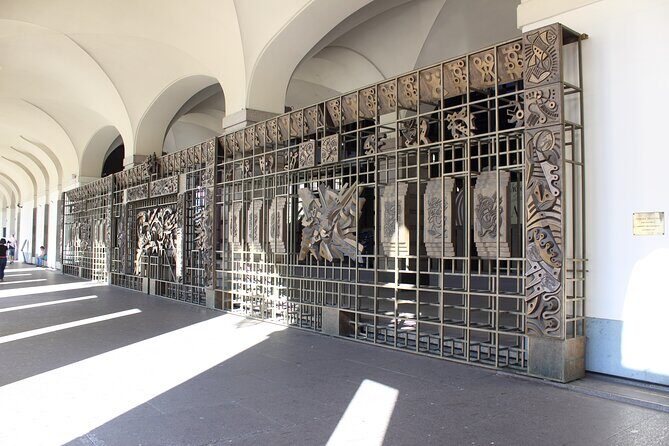
You continue to the Teatro Regio di Torino, the city’s opera house. What I like about this stop is that it’s not only about the building itself; it’s also about construction history. Even if you don’t catch a performance, understanding how a major theater takes shape gives you a clearer idea of Turin’s cultural ambitions.
After that, the walk reaches Piazza Castello—and in one glance you get a cluster of major royal landmarks: Palazzo Madama, the Royal Palace, and the Royal Church of San Lorenzo. This “three-in-one” kind of stop is ideal in a short tour. You get the architecture conversation plus a sense of where the city’s centers of gravity have been.
If you’re trying to build a mental map of Turin, this is a cornerstone. Once you’ve visually connected these buildings, it’s easier to understand why other neighborhoods grew around the royal core.
Cappella della Sacra Sindone: A Very Specific Turin Identity
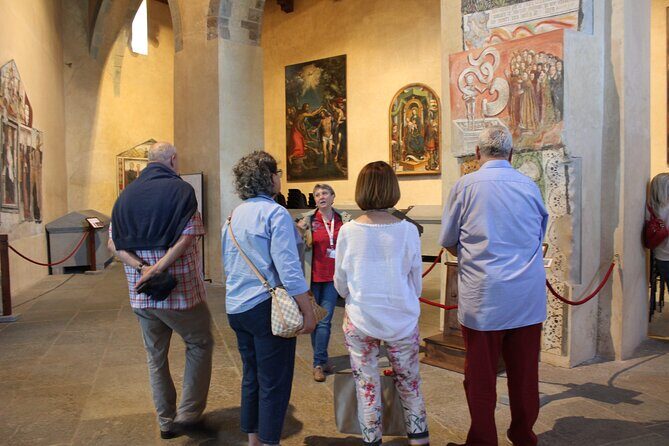
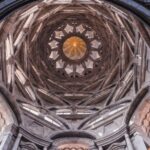
One of the most distinctive stops is Cappella della Sacra Sindone, connected to the Holy Shroud of Turin. The cathedral here is dedicated to the city’s patron, St John the Baptist, and you’ll also admire the exterior of Guarini’s Chapel.
Even if religious history isn’t your main travel interest, this stop is important because it’s not generic Italy—it’s uniquely Turin. This is what gives the city a strong identity beyond its architecture and royal palaces.
The tour’s time here is limited, but the guide’s explanation helps you understand why so many people travel specifically for this site, and why Turin has long been tied to this story.
Practical note: this is a great stop for photos, but also keep your timing in mind. Places with religious significance can have rules about movement and behavior, so keep it respectful and follow the guide’s pace.
Palazzo di Città and Via Garibaldi: Medieval Market to Roman Street
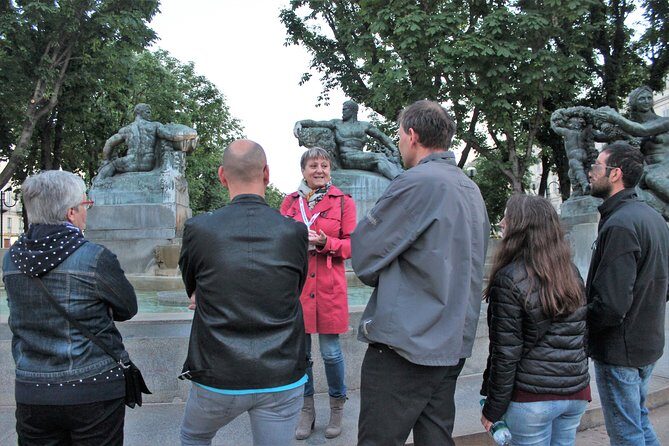
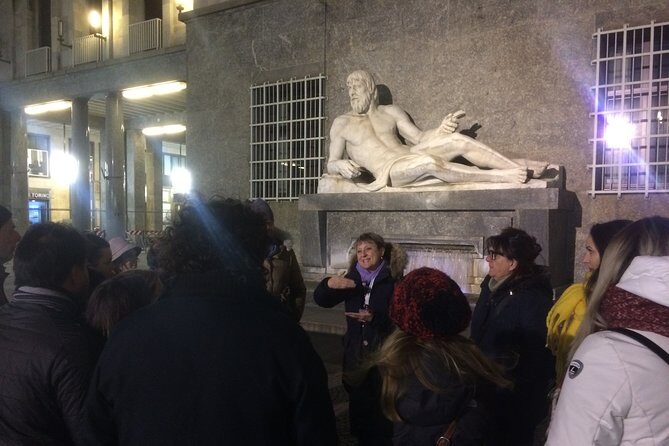
Next is Palazzo di Città, tied to the medieval idea of Piazza delle Erbe, described as a place steeped in history and unsettling events. This isn’t the cheerful postcard version of a square—it’s the kind of place where you learn that cities are layers. The same spot that might feel normal today once carried tension, politics, and public life.
Then you reach Via Garibaldi, described as the ancient Decumanus Maximus in Roman times, now a shopping street. That’s a neat moment for your brain: you’re standing on a line that has been used for centuries, with the city evolving around it instead of replacing it completely.
For you, this is one of the most useful “orientation” lessons. When you know that Roman street patterns can survive as commercial streets later, it makes it easier to understand urban layouts across Italy.
Mole Antonelliana Finish: Icon Outside, Museum Choice Inside
The tour ends at Mole Antonelliana, which is described as Turin’s iconic monument and home to the National Cinema Museum. The key detail for your planning is simple: admission ticket is not included.
So you can still get value from the stop even if you skip the museum entry. If you have the energy and time to go inside, you can decide there. If not, you still leave knowing why Mole Antonelliana is the symbol people point to when they talk about Turin.
This finish also works because it sets you up for the next step: you’re not stuck back at the beginning, and you’re near a major landmark where you can continue exploring on your own.
Price and Value: Why $30 Works for a 2-Hour Orientation
At $30.04 per person for about two hours, this isn’t a “pay for everything” type of tour. It’s more like: pay for a tight route, fluent English guidance, and a guided explanation of where to look.
The value comes from three things:
- The structure: you cover a lot of central Turin without spending your whole day in transit.
- The guide’s role: Marina’s explanations reportedly keep everyone engaged, including kids in family groups, which tells me the approach is clear and adaptable.
- Sight costs: most stops have no ticket requirement for the brief viewing moments.
The one clear exception is Mole Antonelliana, where the admission isn’t included. For me, that’s fair. You’re not paying for an entry ticket you might not use. Instead, you can make a choice based on your energy level and interests at the end.
If you’re budgeting time in Turin—maybe a day trip, maybe you arrived mid-itinerary—this price often feels reasonable because it buys you understanding, not just photos.
Who Should Book This Turin Walking Tour (and Who Might Skip It)
This tour fits best if you:
- want a first-time orientation to Turin’s historic center
- like architecture and squares but don’t want to spend hours planning
- appreciate a guide who answers questions and keeps the pace moving
- are traveling with family and need an explanation style that holds attention (Marina has a track record of working well with children)
You might choose something else if you:
- want long interior museum time as the main focus
- plan to spend a big chunk of your day inside Mole Antonelliana
- hate timed group walks and prefer slow, solo wandering
Should You Book This Turin Walk?
My take: yes, if you want to get oriented fast and learn what you’re looking at. The route hits the key “rooms” of central Turin—elegant Via Roma, the social centerpiece of Piazza San Carlo, the baroque-and-power zone around Piazza Carignano and Piazza Carlo Alberto, then the royal focus at Piazza Castello and the Holy Shroud chapel area. You end at Mole Antonelliana with a natural decision point: museum entry or exterior viewing.
Book it if your Turin schedule is tight and you want your time to feel efficient without being rushed-chaotic. Skip or switch to a longer-format tour if your main goal is deep museum visits.
FAQ
Where does the tour start and end?
It starts at Piazza C.L.N., Torino TO, Italy, and ends at P.za Castello, 125, 10122 Torino TO, Italy.
How long is the walking tour?
The duration is about 2 hours.
Is the tour in English?
Yes, the tour is offered in English.
Is there a limit on group size?
Yes. The maximum group size is 10 travelers.
Are tickets included for every stop?
Most stops are listed as free for admission ticket needs, but Mole Antonelliana’s admission ticket is not included.
Can I cancel and get a refund?
Yes. You can cancel for a full refund up to 24 hours before the experience’s start time.